
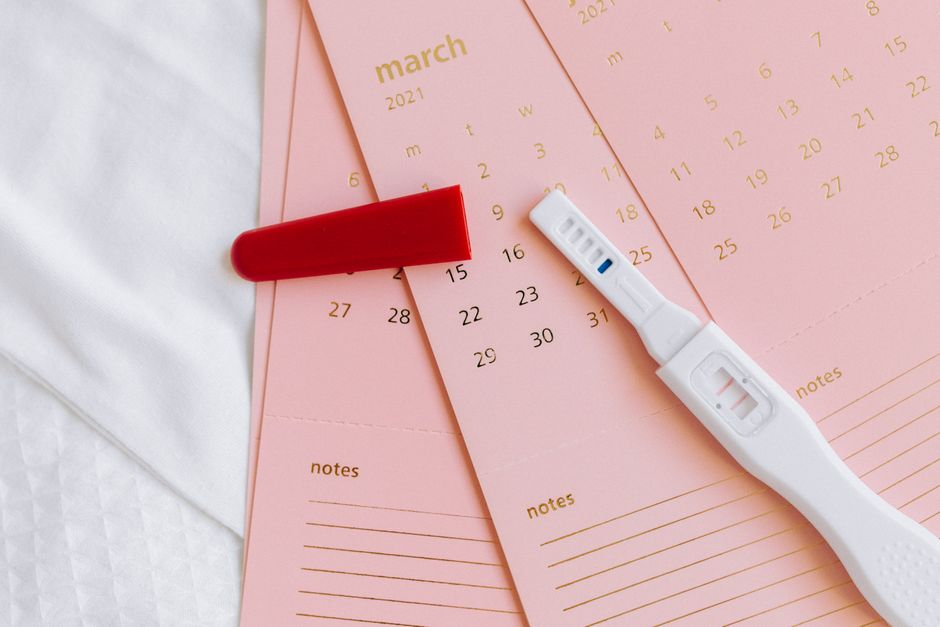
An ovulation test is designed to detect the surge in luteinizing hormone (LH) that happens 24–36 hours before you ovulate. It is not made to detect pregnancy. While some women notice a positive ovulation test when they are pregnant, this is not a reliable way to confirm pregnancy. You should use a pregnancy test instead.
Does an Ovulation Test Show Pregnancy? The Science Behind the Confusion
Ovulation tests look for LH, a hormone that rises sharply right before the ovary releases an egg. Pregnancy tests look for human chorionic gonadotropin (hCG), the hormone made by the placenta after implantation. These two hormones have a similar chemical structure — both are glycoproteins with an alpha subunit that is nearly identical. Because of that similarity, some ovulation tests can also detect high levels of hCG. This cross-reactivity is why some women see a positive line on an ovulation test during early pregnancy.
But that does not mean the test is working correctly. The test is calibrated to detect LH, not hCG. A positive result during pregnancy depends on hCG levels being high enough to trigger the test. That threshold is inconsistent across brands and even between individual tests. Some studies show that ovulation tests can detect hCG at levels above 200–400 mIU/mL, while most pregnancy tests detect hCG as low as 20–25 mIU/mL. You cannot rely on an ovulation test to give you a clear early answer.
How Ovulation Tests Work
A standard ovulation test measures LH in your urine. LH levels stay low for most of your cycle. Then about 24–36 hours before ovulation, they spike sharply. The test turns positive when your LH level reaches a certain threshold — typically around 25–40 mIU/mL, depending on the brand.
The test strip has antibodies that bind to LH. When enough LH is present, a colored line appears. The same technology is used in pregnancy tests, but the antibodies there are designed to bind specifically to hCG. An ovulation test’s antibodies can sometimes grab onto hCG because the molecules are so similar, especially if hCG is very concentrated.
This is a known limitation of some ovulation test products. Manufacturers design them to be specific to LH, but no test is perfect. A small amount of cross-reactivity is possible, especially with digital or high-sensitivity tests.
Why Some Women Get a Positive Ovulation Test While Pregnant
The most common reason is that hCG levels have become high enough to trigger the LH antibody. This typically happens after a missed period, when hCG is already measurable on a standard pregnancy test. In some cases, women who are several weeks pregnant may see a positive ovulation test because their hCG is very high — often above 1,000 mIU/mL.
Another reason is that some women have naturally high LH levels due to hormonal conditions like PCOS (polycystic ovary syndrome). An ovulation test that stays positive throughout the cycle may have nothing to do with pregnancy — it could signal persistently elevated LH. If you have irregular cycles and see multiple positive ovulation tests, talk to your doctor.
Rarely, a woman may be pregnant and also ovulating later in the same cycle — known as superfetation. This is extremely rare in humans and would not explain a positive ovulation test before a missed period. The more likely explanation is cross-reactivity or a normal LH surge.



Can You Rely on an Ovulation Test to Confirm Pregnancy?
No. The evidence does not support using ovulation tests as a substitute for pregnancy tests. Pregnancy tests are designed specifically to detect hCG with high sensitivity and specificity. Ovulation tests are not validated for that purpose. The risk of a false positive is real: if your LH happens to surge near the time you test, you could get a positive result even though you are not pregnant.
On the other hand, a negative ovulation test does not rule out pregnancy. Many women have low hCG in early pregnancy — lower than what an ovulation test can detect. So a negative ovulation test gives you no useful information about whether you are pregnant.
Some online forums suggest that a “darker” ovulation test line can indicate pregnancy. This is not supported by clinical research. The intensity of the line depends on LH concentration, not hCG. Even if hCG causes a faint line, there is no standard for what a “pregnancy positive” looks like on an ovulation test. Do not rely on this method.
Key Differences Between Ovulation Tests and Pregnancy Tests
| Feature | Ovulation Test | Pregnancy Test |
|---|---|---|
| Hormone detected | Luteinizing hormone (LH) | Human chorionic gonadotropin (hCG) |
| Purpose | Identify fertile window | Confirm pregnancy |
| Sensitivity (typical) | Around 25–40 mIU/mL for LH | Around 10–25 mIU/mL for hCG |
| Cross-reacts with other hormones? | Possible with hCG at high levels | Rarely, but designed to be specific |
| Reliable for pregnancy? | No | Yes, when used correctly |
Using the right test for the right purpose is important. Ovulation tests save you money and confusion when you need to time intercourse. But when you suspect pregnancy, spend a few dollars on a pregnancy test. It is the only home test cleared by regulators for that use.
When to Take a Pregnancy Test Instead
The best time to take a pregnancy test is after you miss your period. Home pregnancy tests are up to 99% accurate when used on the day of a missed period. Testing earlier — before a missed period — can give a positive result, but it also raises the risk of a false negative because hCG may still be too low to detect.
If you have irregular cycles or no obvious missed period, wait at least 21 days after unprotected sex before testing. Some tests claim to detect pregnancy up to six days before your missed period, but accuracy is lower that early. A negative test before your period should be repeated if your period does not start.
Do not use an ovulation test to get an early answer. You will waste time and likely get confusing results. A negative ovulation test does not mean you are not pregnant. A positive ovulation test does not mean you are. Trust a pregnancy test for this decision.
What to Do If You Get a Positive Ovulation Test When You Might Be Pregnant
If you get a positive ovulation test and you are past your expected ovulation window, take a pregnancy test. If the pregnancy test is positive, you are pregnant. If the pregnancy test is negative, the ovulation test result was likely a false positive due to high LH from a delayed surge, or from another hormonal issue.
If you are taking fertility medications — especially ones containing hCG (like some trigger shots) — both ovulation tests and pregnancy tests can show false positives. The hCG from the injection can be picked up by both types of tests for up to 10–14 days. In that case, neither test is reliable for confirming pregnancy until the medication clears. Follow your doctor’s advice on when to test.
Frequently Asked Questions
Can an ovulation test detect pregnancy?
Not reliably. Ovulation tests are designed to detect LH, not hCG. Some may show a positive result when hCG is very high, but this is not accurate or consistent.
Why did my ovulation test show a positive when I’m pregnant?
High levels of hCG can cross-react with the antibodies in an ovulation test because the two hormones are chemically similar. This usually happens after a missed period, when hCG is already high.
How soon after a positive ovulation test should I take a pregnancy test?
Wait until you have missed your period. If you are trying to conceive, take a pregnancy test about 14 days after the ovulation test was positive. Testing earlier may give a false negative.
Is it normal to get a positive ovulation test three days in a row?
Not usually. A normal LH surge lasts only 24–36 hours. Multiple days of positive ovulation tests may indicate a condition like PCOS or a faulty batch of tests. If this happens, talk to your doctor.
