
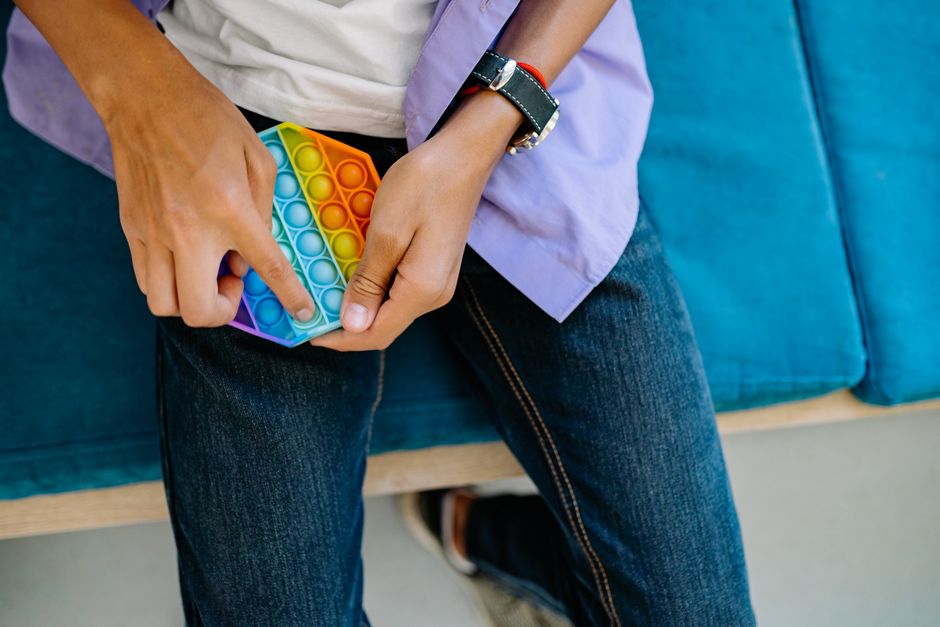
If you have ever felt a knot in your stomach before a meeting or found yourself tapping your foot during a tense conversation, you have likely wondered if that small movement helps or hurts. The short answer is yes, fidgeting can help manage anxiety for many people. Research shows that rhythmic, repetitive movements like tapping or rocking can calm the nervous system. But it depends on the type of fidgeting and the situation. Some fidgeting helps focus the mind, while other kinds can make anxiety worse.
Does Fidgeting Help Anxiety What Science Says Actually Work?
Yes, for many people, fidgeting works as a short-term tool to manage anxiety. The key is understanding what kind of movement you are doing and why. When you are anxious, your body is in a “fight or flight” state. Your heart rate goes up, your muscles tense, and your breathing becomes shallow. Fidgeting can help release some of that built-up energy.
Studies have found that repetitive movements like foot tapping or finger drumming can lower cortisol levels, the stress hormone. A 2015 study published in the journal Frontiers in Psychology showed that rhythmic movements helped people feel more relaxed. The movement acts like a physical release valve. It gives your nervous system something to do besides panic.
However, fidgeting is not a cure for an anxiety disorder. It is a coping strategy, not a treatment. If your anxiety is severe or lasts for weeks, fidgeting alone will not fix the root cause. But as a tool for a stressful moment, it can be surprisingly effective.
What Does the Research on Fidgeting and Anxiety Show?
Research on fidgeting is not as deep as research on breathing exercises or therapy, but there is good evidence. A 2020 study from the University of California, Irvine found that people who fidgeted during a stressful task had lower heart rates afterward. The researchers called it “self-stimulatory behavior” that helps regulate emotion.
Another study from 2018 looked at children with attention deficit hyperactivity disorder (ADHD). It found that fidgeting helped them focus during boring tasks. The same principle applies to anxiety. When your brain is overwhelmed, a small physical movement can give it a break. This is why some people pace when they talk on the phone or doodle during a meeting.
Not all research agrees. Some studies suggest that complex fidgeting, like playing with a phone or typing, can distract you from the present moment. Simple, repetitive movements seem to work best. The brain does not have to think about them. They just happen.
Evidence is strongest for rhythmic movements like rocking, tapping, or swaying. These movements activate the vestibular system, which is your body’s balance and spatial awareness system. Activating this system can have a calming effect. The CDC has noted that repetitive movements are common in people with anxiety and can be a natural way to self-soothe.
What Types of Fidgeting Help Anxiety Most?
Not all fidgeting is equal. Some types help more than others. Here is a breakdown of what works and what does not based on current evidence.
| Type of Fidgeting | How It Helps | Best For |
|---|---|---|
| Foot tapping or leg bouncing | Burns nervous energy, rhythmic movement calms the body | Sitting in a chair, waiting rooms, meetings |
| Finger tapping or drumming | Simple, repetitive, easy to do discreetly | Desk work, phone calls, driving |
| Rocking or swaying | Activates the vestibular system, deeply calming | Standing in line, listening to music |
| Doodling or drawing | Engages the brain in a low-focus task, reduces racing thoughts | Meetings, lectures, long conversations |
| Playing with a fidget toy (spinner, cube, putty) | Provides tactile stimulation, can be grounding | Classrooms, therapy sessions, quiet spaces |
| Chewing gum or eating | Oral stimulation can be soothing, but can also lead to overeating | Short-term stress, long car rides |
The best fidgeting is the kind you barely notice. If you have to think about it, it becomes a distraction. Simple, automatic movements work best. Some people report that clicking a pen helps them focus, but the noise can bother others. Choose a fidget that fits your environment.





When Can Fidgeting Make Anxiety Worse?
Fidgeting is not always helpful. Sometimes it can backfire. If you are in a situation where fidgeting is obvious and you worry about being judged, it can increase anxiety. For example, if you are in a job interview and you cannot stop shaking your leg, you might start thinking about how it looks. That thought can make your anxiety spike.
Another problem is when fidgeting becomes a compulsion. If you feel like you have to fidget or you will panic, that is a sign the behavior is controlling you instead of the other way around. This is more common in people with obsessive-compulsive disorder or severe anxiety. In those cases, fidgeting can become a ritual that reinforces the anxiety cycle.
Some people also find that certain fidgets, like scrolling through a phone, actually increase anxiety. The blue light and constant information flow can overstimulate the brain. A study from 2019 in Computers in Human Behavior found that people who fidgeted with their phones during stressful moments felt more anxious afterward. The phone was a distraction, not a release.
Finally, if you fidget in a way that hurts yourself, like picking at skin or pulling hair, that is a sign you need professional help. These behaviors are linked to body-focused repetitive behaviors and require treatment from a therapist.
How to Use Fidgeting the Right Way for Anxiety
If you want to try fidgeting for anxiety, start small. You do not need to buy a special toy. Your own body is enough. Here are a few practical steps based on what research and clinical experience suggest.
- Notice your fidgets. Pay attention to what you already do when you are nervous. Do you tap your foot? Twirl your hair? That is your body telling you what works. Use it deliberately.
- Choose simple movements. The best fidgets are ones you can do without thinking. Tapping your fingers on your thigh, rolling your shoulders, or pressing your feet into the floor are all options.
- Match the fidget to the moment. If you are in a quiet room, use a silent fidget like pressing your thumb against your other fingers or squeezing a small object. If you are alone, rocking or pacing can be very effective.
- Set a time limit. Fidget for 30 seconds to a minute. Then take a deep breath. This prevents the fidget from becoming a habit you do all day.
- Combine with breathing. Fidgeting works best when paired with slow, deep breathing. The movement releases energy, and the breathing calms the nervous system. Together they are more powerful.
One non-obvious insight from research is that fidgeting works best when you are not trying to stop it. If you fight the urge to fidget, your anxiety often gets worse. Let it happen. The movement is your body trying to help. Trust that for a moment.
What to Avoid When Fidgeting for Anxiety
There are a few common mistakes people make. First, do not rely on fidgeting as your only coping tool. It is a bandage, not a fix. If you have chronic anxiety, you need deeper strategies like therapy, exercise, or medication. Fidgeting is a helper, not a cure.
Second, avoid fidgets that draw attention to yourself if that makes you uncomfortable. A loud clicking toy or constant leg shaking can make you self-conscious. That self-consciousness can undo the calming effect. Choose something discreet.
Third, do not use fidgeting to avoid feelings. Some people fidget so much that they never sit with their anxiety. They distract themselves from the emotion instead of processing it. This can make anxiety worse over time. Use fidgeting to manage the moment, not to escape the feeling.
Finally, be careful with fidget toys marketed as “anxiety relief.” Many of them have no research behind them. A 2021 review in the Journal of Child and Family Studies found that fidget spinners had no clear benefit for anxiety or attention in most studies. The toy itself is not magic. What matters is the movement, not the object.
When to See a Professional for Anxiety
Fidgeting is a normal human behavior. It is not a sign of weakness or a disorder. But if your anxiety is interfering with your daily life, it is time to talk to someone. Signs that you need professional help include feeling anxious most days for more than two weeks, avoiding social situations, having panic attacks, or feeling like you cannot control your worry.
Therapy, especially cognitive behavioral therapy (CBT), is very effective for anxiety. A therapist can help you understand what triggers your anxiety and teach you skills that go beyond fidgeting. Medication is also an option for some people. The National Institute of Mental Health reports that about 31% of US adults will experience an anxiety disorder at some point in their lives. You are not alone, and help works.
If you are not sure where to start, talk to your primary care doctor. They can do a quick screening and refer you to a mental health professional. Fidgeting can help in the moment, but it cannot replace professional care when you need it.
Frequently Asked Questions
Is fidgeting a sign of anxiety?
Yes, fidgeting can be a sign of anxiety, but it is also a normal human behavior. Many people fidget when they are nervous, bored, or trying to focus.
Can fidgeting help with panic attacks?
Some people find that fidgeting helps during a panic attack by releasing energy and grounding them in their body. However, breathing exercises and professional help are more effective for panic attacks.
Do fidget toys actually work for anxiety?
Some fidget toys can help if they encourage simple, repetitive movement. But research is mixed, and the toy itself is not the key. The movement is what matters.
Is it bad to fidget all the time?
Fidgeting all the time is not necessarily bad, but it can be a sign that your anxiety is high or that you are not addressing the root cause. If it bothers you or others, consider other coping strategies.
