
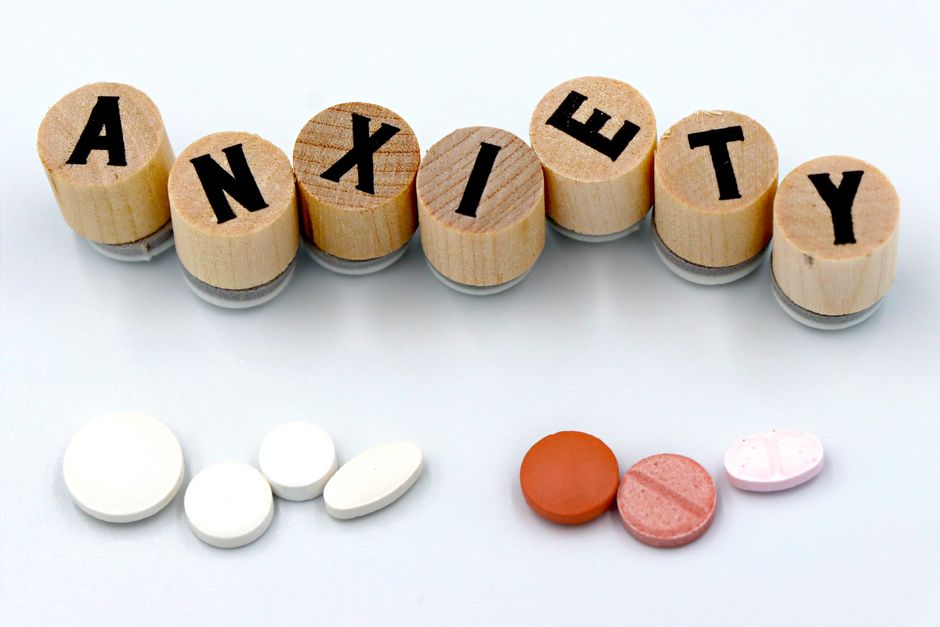
Beta blockers work for anxiety by blocking the effects of adrenaline on your body. They stop your heart from racing, reduce trembling, and calm the physical jitters that come with anxiety. But they do not directly treat the worry or fear itself. This makes them useful for specific situations like public speaking rather than for general anxiety disorders.
What Are Beta Blockers and How Do They Work?
Beta blockers are a class of medications first developed to treat heart conditions. They lower blood pressure, slow a rapid heartbeat, and reduce the force of each contraction. The way they work is straightforward: they block beta receptors in the heart and blood vessels from receiving adrenaline and noradrenaline.
When your body faces stress, it releases adrenaline. This hormone prepares you for action by increasing heart rate, raising blood pressure, and widening airways. Beta blockers sit on the beta receptors and prevent adrenaline from binding there. The result is a quieter physical response to stress. Your heart stays calm even when your mind is racing.
There are several types of beta blockers. Some are non-selective, meaning they block beta-1 and beta-2 receptors. Others are cardioselective and mainly block beta-1 receptors found mostly in the heart. The kind prescribed for anxiety is often propranolol, which is non-selective and crosses into the brain more easily. But other beta blockers can also be used off‑label for this purpose.
How Do Beta Blockers Specifically Help Anxiety Symptoms?
Anxiety has two main parts: psychological and physical. The psychological part includes worry, fear, and racing thoughts. The physical part includes a pounding heart, sweaty palms, shaky hands, and a tight chest. Beta blockers only target the physical symptoms. They do not reduce anxious thinking or change your mood.
For many people, the physical symptoms of anxiety feed the mental ones. Feeling your heart pound can make you more afraid, which makes your heart pound harder. Beta blockers break that cycle. By keeping your heart rate normal and your hands steady, they stop the body from sending panic signals back to the brain.
This is why beta blockers are especially helpful for performance anxiety. Musicians, actors, and public speakers have used them for decades to control stage fright. The drug allows them to stay calm in their body so they can focus on their performance. It does not sedate them or make them groggy the way some anxiety medications do.
What Does the Science Say About Beta Blockers for Anxiety?
Studies have examined beta blockers for anxiety, especially for social anxiety and performance situations. Research consistently shows that beta blockers reduce the physical symptoms of stage fright and exam anxiety. Some studies suggest that propranolol can lower heart rate and trembling during a stressful event more effectively than a placebo.
However, the evidence is less clear for generalized anxiety disorder. Large clinical trials have not found beta blockers to be as effective as standard treatments like SSRI antidepressants or cognitive behavioral therapy. This makes sense because beta blockers do not address the thought patterns or emotional distress that are central to most anxiety disorders.
No major health organization currently lists beta blockers as a first‑line treatment for anxiety. The United States Food and Drug Administration has not approved any beta blocker specifically for anxiety. The use is off‑label, meaning doctors prescribe them based on clinical experience and research evidence rather than formal approval for that condition.




How Are Beta Blockers Used for Anxiety in Practice?
When beta blockers are prescribed for anxiety, the approach is usually short‑term and situation‑specific. A person may take a single dose about 30 to 60 minutes before a stressful event such as a presentation, a job interview, or a musical performance. This is called “as needed” use.
Some people with daily physical anxiety symptoms may take a beta blocker regularly. But this is less common because the evidence for daily use is weaker, and other medications are often more appropriate. The dose for anxiety is typically lower than the dose used for heart conditions. Propranolol is the most studied beta blocker for this purpose, but atenolol and nadolol are also used.
Beta blockers require a prescription. A doctor will evaluate your heart rate, blood pressure, and overall health before prescribing them. They are not available over the counter. You should never take someone else’s beta blocker or buy them online. The risks are real, especially if you have certain health conditions such as asthma or low blood pressure.
What Are the Risks and Side Effects?
Beta blockers are generally safe when taken as prescribed, but they do have side effects. The most common include fatigue, cold hands and feet, dizziness, and drowsiness. These side effects are usually mild and may go away as your body adjusts.
More serious risks include dangerously low heart rate and low blood pressure. Beta blockers can also worsen asthma symptoms because they can cause the airways to narrow. People with asthma or other lung conditions should not take non‑selective beta blockers. Doctors can prescribe a cardioselective beta blocker, but even those require caution.
Another important risk is rebound. If you have been taking a beta blocker daily and you stop suddenly, your heart rate and blood pressure may spike. This can lead to chest pain or even a heart attack in people with existing heart disease. Always follow your doctor’s instructions when stopping a beta blocker. Tapering the dose over a week or two is standard practice.
Beta blockers can also mask the early warning signs of low blood sugar in people with diabetes. They can interact with other medications, including certain antidepressants and blood pressure drugs. That is why a full medical history is necessary before starting them.
Are Beta Blockers Right for Your Anxiety?
Beta blockers are not a cure for anxiety and they are not for everyone. They work best for people whose anxiety is mainly physical and comes up in specific situations. If your anxiety is general, constant, or driven by worry and fear, other treatments may be more helpful. Cognitive behavioral therapy, SSRI antidepressants, and lifestyle changes remain the standard approach for most anxiety disorders.
Even for situational anxiety, beta blockers are one option among several. Some people prefer breathing techniques or therapy to manage stage fright. Others find that a low dose of a beta blocker gives them the edge they need to perform comfortably. The right choice depends on your medical history, your anxiety pattern, and your doctor’s guidance.
If you are struggling with anxiety, talk to a healthcare provider. They can help you understand all the options and choose the one that fits your needs. No medication should be started without a thorough discussion of the risks and benefits, especially one used off‑label.
Frequently Asked Questions
Can beta blockers cure anxiety?
No, beta blockers do not cure anxiety. They only control the physical symptoms like a fast heart rate and shaking. The underlying worry and fear remain unless treated with therapy or other medications.
How long do beta blockers take to work for anxiety?
Beta blockers start working within 30 to 60 minutes after you take them. For situational anxiety, you take the dose shortly before the event. The effects last for several hours, depending on the specific drug.
Do beta blockers make you feel less anxious?
They make you feel calmer by reducing the body’s stress response, but they do not change your thoughts. You may still feel nervous inside, but your heart will not race and your hands will not shake.
Are beta blockers safe to take daily for anxiety?
Some people take them daily, but the evidence for daily use is limited. Beta blockers are not a first‑line treatment for chronic anxiety. They carry risks like low blood pressure and fatigue when used long‑term. Your doctor can help you weigh the pros and cons.
