
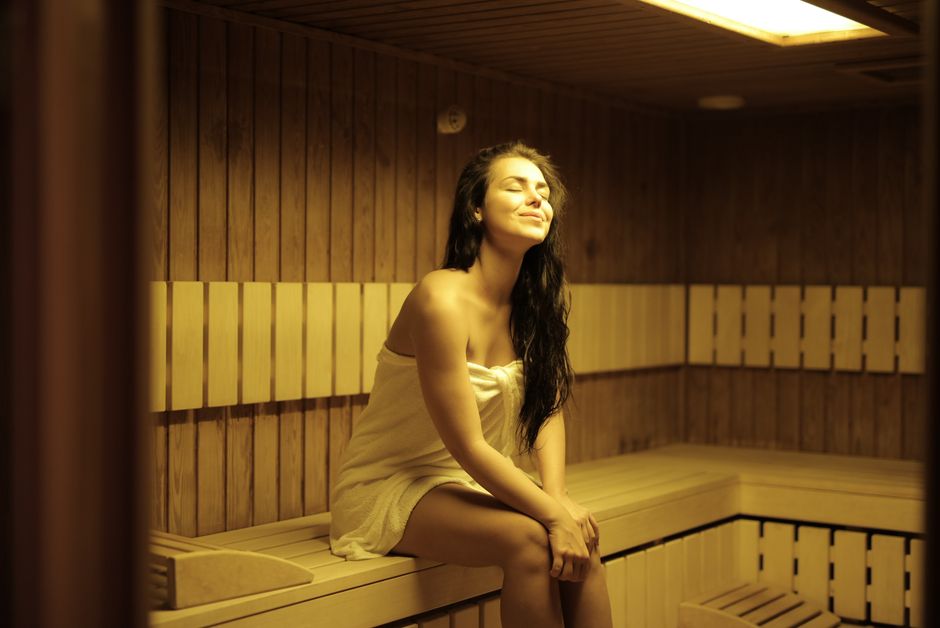
If you have ever sat in a hot sauna and felt your muscles relax and your mind slow down, you are not imagining things. The question “Is Sauna Good For Anxiety What The Science Says” has a clear answer based on real research. Yes, sauna use can help reduce anxiety for many people. The heat triggers biological changes that lower stress hormones and boost feel-good chemicals in your brain. But it is not a magic cure, and it works differently for everyone.
How Does Heat Affect Your Brain and Body?
When you sit in a sauna, your body temperature rises. This is not just uncomfortable — it is a signal. Your body responds by releasing heat shock proteins. These proteins help repair damaged cells and reduce inflammation. Lower inflammation in the body is linked to lower anxiety levels.
Your heart rate also goes up. This mimics the effect of moderate exercise. Your blood vessels widen. Blood flow increases. This is why many people feel a sense of calm after a session. The physical stress of heat forces your body to adapt, and that adaptation includes a drop in cortisol, the main stress hormone.
Research published in the journal Psychosomatic Medicine found that regular sauna use was linked to lower levels of C-reactive protein, a marker of inflammation. Chronic inflammation is tied to depression and anxiety. So the heat may be working on a deep biological level, not just making you feel relaxed in the moment.
What Does the Research on Sauna and Anxiety Actually Show?
Studies on sauna and anxiety are not huge, but they are consistent. A 2018 study from Finland followed over 2,000 middle-aged men for more than 20 years. Men who used a sauna 4 to 7 times per week had a significantly lower risk of developing psychosis and other mental health disorders. The researchers controlled for exercise, smoking, and other lifestyle factors. The link held up.
Another study in the Journal of Alternative and Complementary Medicine looked at people with mild depression. After two weeks of sauna sessions, their scores on anxiety and depression scales dropped noticeably. The effect was strongest in people who started with higher anxiety levels.
It is important to note that most studies are small. Many do not have a placebo group. You cannot exactly fake a sauna. But the pattern across multiple studies is clear: heat exposure appears to lower anxiety for most people who try it consistently.
Is Sauna Good For Anxiety What The Science Says About Frequency and Duration
If you want to use sauna for anxiety, how often should you go? The research points to 2 to 4 sessions per week. Each session should last 10 to 20 minutes. Going longer does not help more. In fact, staying in too long can raise your heart rate too high and cause dizziness or panic.
Temperature matters too. Most studies use saunas heated to 150 to 180 degrees Fahrenheit. That is hot enough to trigger the biological effects but not so hot that it is dangerous for most healthy adults. If you are new to saunas, start at a lower temperature and shorter time. Build up slowly over a few weeks.
One non-obvious finding: the cooling down period matters. After a sauna, your body temperature drops quickly. This drop itself seems to trigger a relaxation response. So do not rush to shower or get dressed. Sit in a cool room for 5 to 10 minutes. Let your body adjust. That is when many people feel the deepest calm.





What Are the Side Effects and Risks of Sauna for Anxiety?
Sauna is safe for most healthy adults, but it is not risk-free. Dehydration is the most common side effect. You can lose up to a pint of sweat in a single session. Drink water before, during, and after. If you feel lightheaded, dizzy, or nauseous, get out immediately.
People with certain health conditions should talk to a doctor first:
- Heart disease or high blood pressure
- Pregnancy, especially in the first trimester
- A history of heat stroke or heat sensitivity
- Kidney disease
- Taking medications that affect sweating or blood pressure
For some people with anxiety, the heat itself can trigger a panic attack. This is rare but real. If you have panic disorder, start with very short sessions — 5 minutes — in a cooler sauna. The goal is not to push through discomfort. The goal is to find a level of heat that feels calming, not threatening.
As of 2026, there is no clinical evidence that sauna use causes long-term harm for people with anxiety. But there is also no evidence that it works as a standalone treatment for severe anxiety disorders. It is best used as one tool in a larger toolkit, not a replacement for therapy or medication.
How Does Sauna Compare to Other Relaxation Methods?
People often ask how sauna stacks up against meditation, exercise, or breathing techniques. The honest answer is that they work through different pathways. Meditation works by training your attention. Exercise works by releasing endorphins and lowering cortisol. Sauna works through heat stress and the body’s cooling response.
Here is a simple comparison based on what the evidence shows:
| Method | Primary Mechanism | Time to Effect | Evidence Strength |
|---|---|---|---|
| Sauna | Heat stress, reduced inflammation | 20-30 minutes | Moderate |
| Exercise | Endorphins, cortisol reduction | 30-45 minutes | Strong |
| Meditation | Attention training, reduced rumination | 10-20 minutes | Strong |
| Breathing exercises | Vagus nerve activation | 5-10 minutes | Moderate |
The best approach for most people is to combine methods. Use sauna after exercise, for example. That gives you both the endorphin boost from movement and the heat relaxation from sauna. Some studies suggest the combination is more effective than either alone.
Common Misconceptions About Sauna and Anxiety
One common belief is that sauna detoxifies your body by sweating out toxins. This is widely claimed, though strong evidence is limited. Your liver and kidneys do the real detox work. Sweat is mostly water and salt. The relaxation you feel is from heat and blood flow changes, not from toxin removal.
Another misconception is that longer sessions are better for anxiety. Some people report that 30 to 40 minutes in a sauna makes them feel worse, not better. That is because your body’s stress response can kick in if you stay too long. The goal is a mild stress, not an overwhelming one.
Some people also believe that sauna works instantly. It does not for most people. The research shows that benefits build over weeks of regular use. One session might feel good in the moment. But the real changes in anxiety levels come from repeated exposure over time.
Finally, do not assume that all saunas are the same. Infrared saunas heat your body directly, while traditional saunas heat the air. Some people prefer one over the other. The research does not clearly favor one type for anxiety. What matters more is consistency and temperature.
Frequently Asked Questions
How long should I sit in a sauna for anxiety?
Most studies use 10 to 20 minute sessions. Start with 10 minutes and increase slowly if it feels comfortable.
Can sauna make anxiety worse?
Yes, for some people the heat can trigger a panic response. If you feel panicked or dizzy, leave the sauna immediately.
Is infrared sauna better for anxiety than traditional sauna?
There is no strong evidence that one type is better. Choose the one you are more likely to use consistently.
How often should I use sauna to reduce anxiety?
Research suggests 2 to 4 times per week is effective. More frequent use does not show additional benefits for anxiety.
