
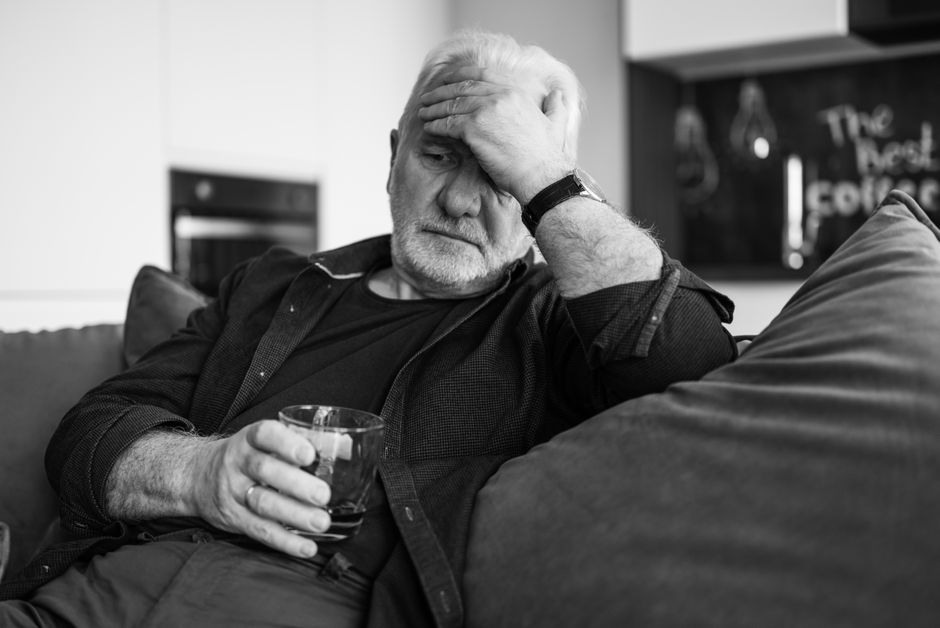
Many people reach for a drink after a stressful day. It feels like it helps. But the science tells a different story. Alcohol does not help anxiety. It makes it worse. The relief you feel is temporary. The rebound anxiety that follows is real and often worse than before.
Does Alcohol Help Anxiety Or Make It Worse?
The short answer is that alcohol makes anxiety worse. The feeling of calm you get after a drink is misleading. Alcohol acts on your brain’s GABA receptors. GABA is a chemical that slows down brain activity. That is why you feel relaxed at first. But your brain fights back to stay balanced.
As the alcohol wears off, your brain produces less GABA on its own. It also ramps up glutamate, which is a stimulating chemical. This creates a rebound effect. Your anxiety often spikes higher than it was before you drank. Research published in the journal Alcoholism: Clinical and Experimental Research found that people who drink heavily experience increased anxiety the next day. This is often called “hangxiety.”
If you already have an anxiety disorder, alcohol is a poor choice. The National Institute on Alcohol Abuse and Alcoholism (NIAAA) warns that alcohol can interfere with anxiety medications. It can also make panic attacks more likely. The temporary relief is not worth the long-term cost.
Why Does Alcohol Feel Like It Helps Anxiety At First?
Alcohol is a central nervous system depressant. It slows down your heart rate and breathing. It also lowers your inhibitions. For about 30 to 60 minutes after a drink, you may feel less worried. This is because alcohol increases the effect of GABA, the brain’s main calming neurotransmitter.
This initial effect is why alcohol is so appealing for social anxiety. You feel more talkative and less self-conscious. But this effect fades quickly. Your body builds tolerance. You need more alcohol to get the same feeling. Over time, your brain chemistry changes. It becomes harder to feel calm without alcohol.
Some people report that a drink helps them fall asleep. This is also misleading. Alcohol disrupts the quality of your sleep. It reduces REM sleep, which is the restorative part. Poor sleep is a known trigger for anxiety. So even if you fall asleep faster, you wake up feeling worse.
What Does Research On Alcohol And Anxiety Show?
Several large studies have looked at the link between alcohol and anxiety. The evidence is consistent. Alcohol does not treat anxiety. It makes it worse over time.
A 2019 study in JAMA Psychiatry followed over 30,000 people. It found that people who drank heavily were more likely to develop an anxiety disorder later. The risk went up with the amount of alcohol consumed. This is not just a correlation. The study controlled for other factors like age, sex, and smoking.
Another study from the University of North Carolina found that alcohol changes the brain’s stress response system. In people who drink regularly, the brain becomes more sensitive to stress. Even small stressors feel bigger. This is called allostatic load. Your brain is working harder to stay calm, and it is losing the fight.
The CDC also reports that alcohol is a leading cause of preventable death. It is linked to depression, suicide, and anxiety disorders. The data is clear. Alcohol is not a treatment for anxiety. It is a risk factor.
| Effect | Short-Term (First Few Hours) | Long-Term (Days to Years) |
|---|---|---|
| GABA activity | Increased (calm feeling) | Decreased (more anxiety) |
| Glutamate activity | Decreased | Increased (jitteriness) |
| Stress hormone (cortisol) | Lowered temporarily | Elevated (chronic stress) |
| Sleep quality | Faster sleep onset | Disrupted, less restorative |
| Anxiety symptoms | Reduced briefly | Worsened overall |




How Much Alcohol Makes Anxiety Worse?
There is no safe amount of alcohol for treating anxiety. Even one drink can trigger rebound anxiety in some people. The effect is stronger in women than in men. This is because women metabolize alcohol differently. They have less of the enzyme that breaks down alcohol in the stomach.
The NIAAA defines moderate drinking as one drink per day for women and two for men. But even at these levels, alcohol can worsen anxiety. The American Heart Association notes that any alcohol use carries some risk. For people with anxiety disorders, even moderate drinking may be too much.
Binge drinking is especially harmful. Binge drinking is defined as four or more drinks in two hours for women, and five or more for men. This pattern causes a big spike in anxiety the next day. It also increases the risk of panic attacks. A 2021 study in Depression and Anxiety found that binge drinking doubled the risk of developing a panic disorder over five years.
If you have anxiety, the best approach is to avoid alcohol entirely. This is the only way to know if your anxiety improves. Many people find that after a few weeks without alcohol, their baseline anxiety drops significantly.
What Actually Works For Anxiety Instead Of Alcohol?
There are proven treatments for anxiety that do not involve alcohol. These are backed by strong evidence. They work without the side effects.
- Therapy – Cognitive behavioral therapy (CBT) is the gold standard. It teaches you to recognize and change anxious thought patterns. The American Psychological Association recommends it for most anxiety disorders.
- Medication – SSRIs like sertraline (Zoloft) and escitalopram (Lexapro) are first-line treatments. They are not addictive. They take a few weeks to work but are effective for long-term anxiety.
- Exercise – Aerobic exercise lowers cortisol and boosts endorphins. A 2017 study in Frontiers in Psychiatry found that 30 minutes of moderate exercise five times a week reduced anxiety as much as some medications.
- Breathing techniques – Slow, deep breathing activates the vagus nerve. This triggers the parasympathetic nervous system. It lowers heart rate and blood pressure. Try 4-7-8 breathing: inhale for 4 seconds, hold for 7, exhale for 8.
- Sleep hygiene – Poor sleep makes anxiety worse. Stick to a consistent sleep schedule. Avoid screens an hour before bed. Keep your room cool and dark.
These methods do not work overnight. But they build lasting change. Unlike alcohol, they do not cause rebound effects. They do not damage your liver or increase your risk of cancer. They are safe to use every day.
Common Misconceptions About Alcohol And Anxiety
One common myth is that a drink before a stressful event helps you perform better. This is not true. Alcohol impairs your judgment and coordination. It also makes it harder to read social cues. You may feel more confident, but you are actually less capable.
Another myth is that red wine is healthy because of antioxidants. The small amount of antioxidants in red wine does not outweigh the risks of alcohol. The World Health Organization classifies alcohol as a Group 1 carcinogen. That is the same category as asbestos and tobacco. No amount of alcohol is completely safe.
Some people believe that alcohol helps with social anxiety because it makes them more outgoing. This is a short-term fix. Over time, you become dependent on alcohol to socialize. Without it, your social anxiety may feel worse. This is called psychological dependence. It is a common path to alcohol use disorder.
There is also a belief that alcohol helps you forget your problems. Alcohol does not erase memories. It only suppresses them temporarily. When you sober up, the problems are still there. And you now have a hangover to deal with too.
When To Seek Professional Help
If you use alcohol to cope with anxiety, it is worth talking to a doctor. This is especially true if you drink more than you intend to. Or if you feel anxious when you do not drink. These are signs of alcohol dependence.
Withdrawal from alcohol can be dangerous. It can cause seizures, hallucinations, and severe anxiety. Do not stop drinking suddenly if you have been drinking heavily for a long time. Talk to a doctor first. They can help you taper off safely.
There are also support groups like Alcoholics Anonymous and SMART Recovery. These are free and available in most communities. Many people find that group support helps them stay sober.
If you are in crisis, call the National Suicide Prevention Lifeline at 988. You can also text HOME to 741741. These services are free and confidential. You do not have to be alone with your anxiety.
Frequently Asked Questions
Does alcohol help anxiety or make it worse in the long run?
Alcohol makes anxiety worse in the long run by changing your brain chemistry and increasing your baseline stress levels.
Can one drink cause anxiety the next day?
Yes, even one drink can cause rebound anxiety in some people, especially those with a history of anxiety disorders.
What is the best drink for anxiety?
Water is the best drink for anxiety because dehydration can worsen anxiety symptoms and alcohol only makes it worse.
How long does alcohol-induced anxiety last?
Alcohol-induced anxiety usually lasts 24 to 48 hours after your last drink, but it can last longer in heavy drinkers.
