
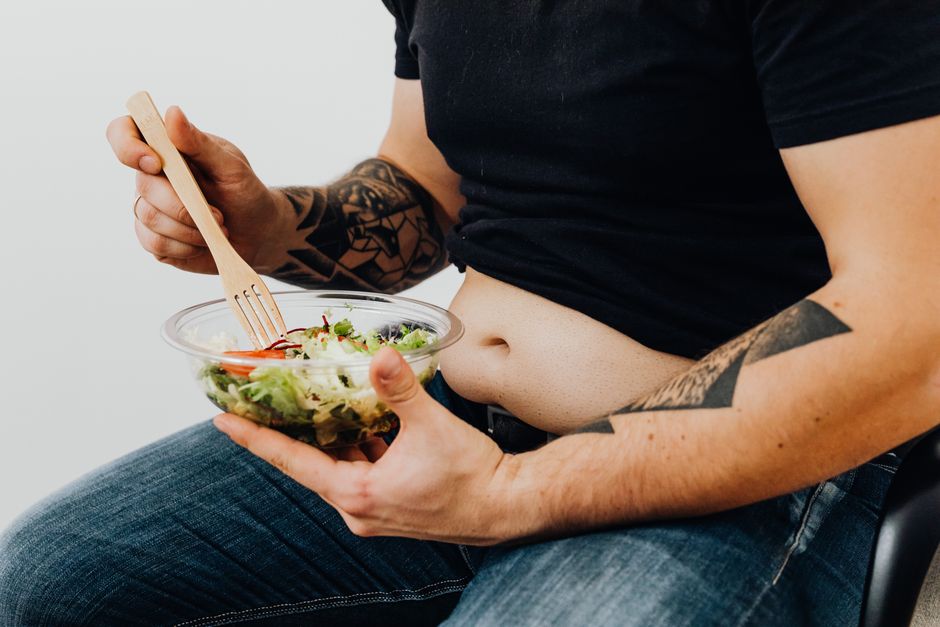
If you drink diet pop to avoid sugar and calories, you might wonder if it could still be adding to your belly. The short answer is that diet pop does not directly cause belly fat, but it may contribute to weight gain and belly fat through other pathways in your body. Current research suggests the link is not simple, and it depends on your overall habits and how your body responds to artificial sweeteners.
What Does the Research on Diet Pop and Belly Fat Actually Show?
Several large studies have looked at the connection between diet soda and belly fat. The results are mixed but worth paying attention to. One well-known study from 2015 followed older adults for nine years. It found that people who drank diet soda daily had almost triple the increase in waist circumference compared to those who did not drink any soda. That is a big difference.
But this does not prove that diet pop causes belly fat. People who drink diet soda may also have other habits that lead to weight gain. They might eat more processed food or exercise less. The study tried to adjust for these factors, but it is hard to remove all the variables. Other research has not found the same strong link, especially when looking at younger adults.
What current research suggests is that the relationship is real for some people but not everyone. Your gut bacteria, your metabolism, and your overall diet all play a role. There is no single answer that fits all of us.
How Could Diet Pop Contribute to Belly Fat?
There are a few ways diet soda might affect your body in ways that lead to more belly fat. None of them are proven beyond doubt, but the evidence is strong enough to take seriously.
One idea is that artificial sweeteners confuse your brain. Your taste buds detect sweetness and your body expects calories to follow. When the calories do not arrive, some researchers think your body may respond by craving more food later. Some people report feeling hungrier after drinking diet soda, which could lead to eating more calories overall.
Another possibility involves your gut microbiome. Studies in animals and some in humans show that artificial sweeteners like aspartame and sucralose can change the types of bacteria living in your gut. An unhealthy gut microbiome is linked to weight gain and inflammation, which both contribute to belly fat. This area of research is still young, but it is promising.
There is also the behavioral side. If you drink diet soda, you might feel like you have earned a treat. That can lead to eating a cookie or a bag of chips that you would have skipped otherwise. The diet soda itself does not have calories, but what you eat alongside it might.
Are All Artificial Sweeteners the Same When It Comes to Belly Fat?
No, they are not the same. Each sweetener affects the body differently. Some have more research behind them than others.
| Sweetener | Common Brands | What Research Suggests |
|---|---|---|
| Aspartame | Equal, NutraSweet | Some studies link it to changes in gut bacteria and increased appetite |
| Sucralose | Splenda | May alter glucose metabolism and gut bacteria in some people |
| Saccharin | Sweet’N Low | Older studies raised concerns about gut health, but modern research is limited |
| Stevia | Truvia, Stevia in the Raw | Generally considered safer for gut bacteria, but long-term data is thin |
| Monk Fruit | Various | Newer sweetener with little research on belly fat specifically |
As of 2026, there is no clear winner. Stevia and monk fruit seem less likely to disrupt gut health, but they still trigger sweetness receptors. Your brain may still respond the same way. The safest approach is to reduce all sweeteners, not just switch from one to another.




Does Diet Pop Cause Belly Fat More Than Regular Soda?
Regular soda is clearly worse for belly fat. A can of regular soda has about 40 grams of sugar, which is 10 teaspoons. That much sugar causes your insulin to spike, and insulin is a fat-storage hormone. High insulin levels tell your body to store fat, especially around your midsection.
Diet soda has zero sugar and zero calories. So in a direct comparison, regular soda is far more likely to cause belly fat. But that does not mean diet soda is harmless. Some research suggests that people who switch from regular to diet soda do not always lose weight. They may just maintain their weight or even gain a little.
The reason might be that diet soda keeps your sweet tooth alive. You never stop craving sweet things. Over time, that can lead to choosing sweeter foods and drinks more often. If you drink diet soda, you are still training your taste buds to expect sweetness. That habit alone can make it harder to maintain a healthy weight.
What Actually Works to Reduce Belly Fat Instead of Worrying About Diet Pop?
Belly fat is stubborn. It is also the most dangerous kind of fat because it surrounds your organs. Reducing it requires a few things that are backed by strong evidence.
First, cut back on added sugar. This is the single most effective dietary change for belly fat. Sugar from soda, candy, baked goods, and even fruit juice all count. Your body handles sugar differently than other carbohydrates. It goes straight to your liver and can be stored as fat quickly.
Second, eat more protein and fiber. Protein keeps you full and helps maintain muscle while you lose fat. Fiber, especially soluble fiber from oats, beans, and vegetables, helps reduce belly fat by slowing digestion and feeding good gut bacteria. Studies have found that people who eat more soluble fiber have less belly fat over time.
Third, move your body in a way that builds muscle. Cardio is fine, but strength training is better for belly fat. Muscle tissue burns more calories at rest than fat does. The more muscle you have, the higher your resting metabolism. That makes it easier to keep fat off long term.
Fourth, get enough sleep. This is often overlooked, but sleep deprivation raises cortisol, a stress hormone. High cortisol is directly linked to more belly fat. Aim for seven to nine hours per night. If you struggle with sleep, cutting back on caffeine and screen time before bed can help.
Finally, be patient. Belly fat takes time to lose. If you lose it slowly, you are more likely to keep it off. Quick fixes like detox teas or crash diets almost always lead to regaining the weight, often with more belly fat than before.
Common Misconceptions About Diet Pop and Belly Fat
One common myth is that diet pop directly causes your body to store fat in your belly. That is not how it works. Diet soda does not contain fat or calories, so it cannot be stored as fat directly. The concern is about indirect effects, like changing your appetite or your gut bacteria.
Another misconception is that switching from regular to diet soda will automatically help you lose belly fat. For some people, it does. For others, it does not. If you replace regular soda with diet soda but eat more junk food to compensate, you will not see results. The diet soda is not the problem. The extra calories from other foods are.
Some people also believe that artificial sweeteners are toxic or cause cancer. These claims are not supported by current evidence. The FDA and other health agencies around the world consider artificial sweeteners safe at typical consumption levels. The real concern is not toxicity. It is how they affect your behavior and your metabolism over the long term.
Finally, there is the idea that zero-calorie drinks are completely neutral. They are not. They still affect your brain and your body. Even if they do not add calories, they can influence what you eat later. The most neutral drink is plain water. Everything else has some effect.
What to Avoid If You Are Trying to Lose Belly Fat
If belly fat is your main concern, there are a few things to cut back on or avoid entirely.
- Regular soda and sugary drinks. These are the biggest contributors to belly fat because of the high sugar content. Fruit juice is not much better. It has almost as much sugar as soda.
- Highly processed foods. Chips, crackers, frozen meals, and fast food are often high in sugar, unhealthy fats, and salt. They are designed to be easy to overeat.
- Alcohol, especially beer and cocktails. Alcohol provides empty calories and can increase cortisol levels. Beer is particularly linked to belly fat, sometimes called a beer belly.
- Late-night eating. Your body processes food differently at night. Eating close to bedtime can disrupt sleep and make it harder to lose fat.
- Relying on diet soda as a crutch. If you drink diet soda to justify eating poorly, it will not help. Treat it as a sometimes drink, not a daily habit.
None of these are absolute rules. You can have a diet soda or a beer occasionally without ruining your progress. The problem is when they become daily habits that crowd out healthier choices.
Frequently Asked Questions
Does diet pop cause belly fat directly?
No, diet pop does not directly cause belly fat because it has no calories. But it may lead to belly fat indirectly by changing your appetite or gut bacteria.
Can drinking diet soda make you gain weight?
Some studies suggest it can, especially if it leads to eating more calories later. The effect varies from person to person.
Is diet soda better than regular soda for belly fat?
Yes, diet soda is better because it has no sugar. But water is the best choice for reducing belly fat.
How much diet soda is safe to drink daily?
Most health agencies say up to 3-4 cans per day is safe for adults. For belly fat reduction, less is better.
