
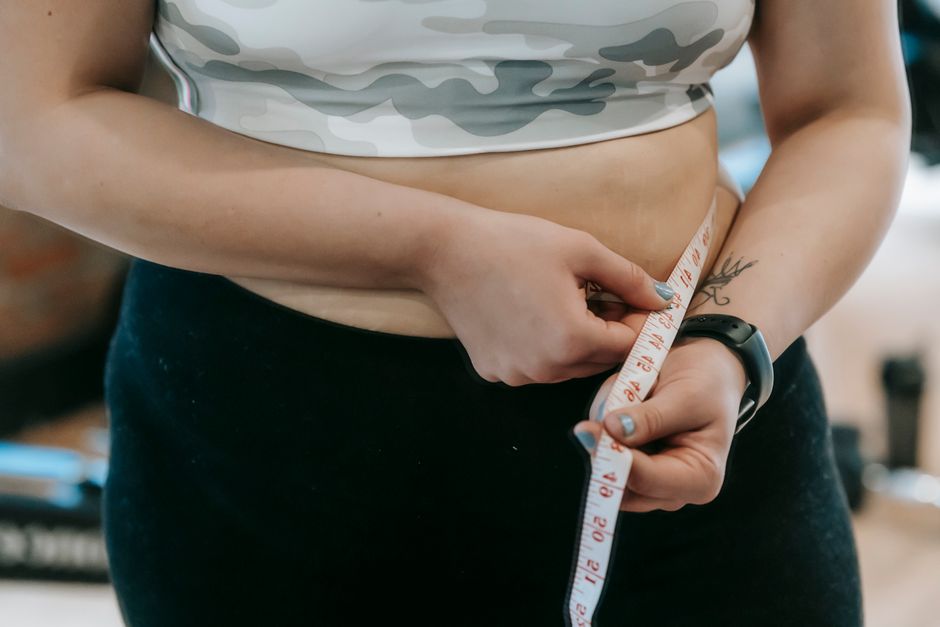
Belly fat is often the last place your body loses weight, and no workout can target it directly. Spot reduction—the idea that you can burn fat from one specific area—is not supported by research. The most effective approach combines full-body strength training with consistent cardiovascular exercise, because both raise your overall calorie burn and help reduce total body fat, which is what actually shrinks your waistline over time.
Why Spot Reduction Does Not Work
Your body stores fat in a specific order determined mostly by genetics and hormones. When you exercise, your body draws energy from fat stores all over, not just the muscles you are working. Doing hundreds of crunches will strengthen your abdominal muscles, but it will not remove the fat layer sitting on top of them.
Research consistently shows that training a specific muscle group does not significantly increase fat loss in that area. One well-known study had participants perform abdominal exercises three times per week for six weeks. They gained abdominal endurance, but they did not lose belly fat. The fat loss that did occur was spread evenly across the body.
This matters because many people waste months on endless sit-ups and wonder why their waistline has not changed. The muscles are getting stronger. The fat is just not leaving that spot first.
High-Intensity Interval Training (HIIT) and Belly Fat
High-intensity interval training, or HIIT, is one of the most time-efficient ways to burn calories and reduce overall body fat. HIIT involves short bursts of intense effort followed by brief recovery periods. A typical session might be 30 seconds of all-out sprinting followed by 60 seconds of walking, repeated for 15 to 20 minutes.
Some studies suggest HIIT may be particularly effective at reducing visceral fat—the deeper fat stored around your organs that is most closely linked to health risks like heart disease and type 2 diabetes. The exact reason is not fully understood, but intense exercise appears to create a greater afterburn effect. Your body continues burning extra calories for hours after the workout ends as it restores oxygen levels and repairs muscle tissue.
HIIT also preserves muscle mass better than steady-state cardio alone. This is important because muscle burns more calories at rest than fat tissue does. Keeping your muscle while losing fat keeps your metabolism higher over the long term.
If you are new to exercise, start with a gentler version. Alternate 20 seconds of brisk walking with 40 seconds of normal walking. Build up gradually. HIIT is demanding on the joints and cardiovascular system, so proper form matters more than intensity in the beginning.
Strength Training Builds the Metabolism That Burns Fat
Strength training does not burn as many calories during the workout as cardio does. But it changes your body composition in ways that matter for fat loss. Each pound of muscle requires more energy to maintain than a pound of fat, which means your resting metabolic rate stays higher.
Compound movements—exercises that use multiple muscle groups at once—give you the most return for your effort. Squats, deadlifts, push-ups, rows, and overhead presses all recruit large amounts of muscle tissue. The more muscle you activate, the more energy the movement requires.
For belly fat specifically, strength training helps in a second way. It builds the abdominal wall itself. Exercises like planks, dead bugs, and farmer’s carries strengthen the deep core muscles that pull your waistline in and support your spine. This does not burn fat, but it changes how your midsection looks and functions as fat comes off.
Full-body strength training two to three times per week is a reasonable target for most people. Focus on getting stronger over time rather than chasing a specific number of repetitions.





Steady-State Cardio Still Has a Place
Moderate-intensity steady-state cardio—like jogging, cycling, swimming, or brisk walking—remains a reliable way to create the calorie deficit required for fat loss. It is easier to sustain for long periods, which makes it a good foundation for beginners or for anyone recovering from injury.
The key difference between steady-state cardio and HIIT is not which is better overall. It is which one you can do consistently. A 45-minute walk you actually complete beats a 20-minute HIIT session you skip because it feels overwhelming.
Some research indicates that combining both types of cardio produces better body composition changes than doing either one alone. The steady-state sessions build your aerobic base and burn calories. The HIIT sessions push your metabolism higher and preserve muscle. Together they cover more ground than either approach on its own.
What Workouts Burn Belly Fat Most Effectively
No single workout burns belly fat on its own. The most effective plan combines strength training, HIIT, and steady-state cardio across the week. Here is what a balanced weekly schedule might look like:
- Two to three days of full-body strength training
- One to two days of HIIT sessions lasting 15 to 25 minutes
- One to two days of steady-state cardio lasting 30 to 60 minutes
- At least one full rest day or an active recovery day with light walking
This structure works because it attacks fat loss from multiple angles. Strength training preserves muscle. HIIT creates a strong afterburn effect. Steady-state cardio builds endurance and burns additional calories. None of these alone will produce dramatic belly fat loss, but together they create the conditions for it.
Consistency matters more than perfection. A moderate plan followed for six months will outperform an aggressive plan abandoned after three weeks.
Why Nutrition Determines Whether You See Results
Exercise creates the demand for energy. Nutrition supplies the fuel. If you eat more calories than your body burns, no workout will reduce your belly fat. This is not a marketing claim—it is the fundamental physics of energy balance.
Research consistently shows that dietary changes produce faster initial weight loss than exercise alone. This does not mean exercise is unimportant. It means exercise and nutrition work together. Exercise increases the number of calories you burn. A balanced diet controls the number you take in.
For most people, a modest calorie deficit of 300 to 500 calories per day produces sustainable weight loss of about one to two pounds per week. This deficit can come from eating less, moving more, or both. The most sustainable approach is usually a combination.
Protein deserves special attention. Higher protein intake helps preserve muscle mass during weight loss and increases feelings of fullness. Lean meats, fish, eggs, dairy, beans, and legumes are all good sources. Aim to include protein at each meal rather than loading it all into one.
How Long Until You See Changes in Your Waistline
Belly fat is typically among the last fat stores your body mobilizes. Many people notice changes in their face, arms, and legs before they see movement in their midsection. This is frustrating but normal, and it reflects how your body prioritizes fat storage and release.
With consistent exercise and a modest calorie deficit, most people can expect to notice changes in clothing fit within four to eight weeks. Visible changes in the mirror may take longer—often three to six months. These timelines vary widely based on starting body composition, genetics, age, and hormone levels.
Do not rely on the scale alone. Waist circumference measurements taken once a week are a more direct way to track belly fat changes. A tape measure around your navel tells you more about visceral fat than your total body weight does.
Sleep and stress also play a role. Poor sleep is associated with higher levels of the stress hormone cortisol, which is linked to increased abdominal fat storage. Prioritizing seven to nine hours of quality sleep per night supports both your recovery and your fat loss efforts.
Common Mistakes That Slow Your Progress
Several well-intentioned habits can undermine your belly fat goals. The first is doing only abdominal exercises. Crunches and planks build muscle but burn very few calories. They will not reduce the fat covering your midsection.
The second mistake is overtraining. More exercise is not always better. Your body needs recovery time to rebuild muscle and regulate hormones. Training the same muscle groups every day without rest can elevate cortisol and impair fat loss over time.
The third mistake is ignoring progressive overload. Your body adapts to exercise within a few weeks. If you lift the same weight or run the same distance every session, your results will plateau. Gradually increase weight, repetitions, or intensity to keep challenging your body.
The fourth mistake is relying on exercise to outrun a poor diet. A single slice of cake can contain more calories than a 30-minute run burns. No amount of exercise compensates for consistently eating more than your body needs.
Frequently Asked Questions
How many times a week should I work out to lose belly fat?
Most people see the best results with four to five workout sessions per week combining strength training and cardio. Consistency over several months matters more than the exact number of sessions.
Are crunches good for losing belly fat?
Crunches strengthen your abdominal muscles but do not directly burn belly fat. Full-body exercises that burn more calories overall are more effective for reducing waist size.
Is walking enough to reduce belly fat?
Walking can contribute to belly fat loss when combined with a calorie deficit, but it burns fewer calories than higher-intensity exercise. Brisk walking for 45 to 60 minutes most days can be effective for beginners.
How long does it take to see results from belly fat workouts?
Most people notice changes in clothing fit within four to eight weeks of consistent exercise and a modest calorie deficit. Visible changes in the mirror often take three to six months.
