
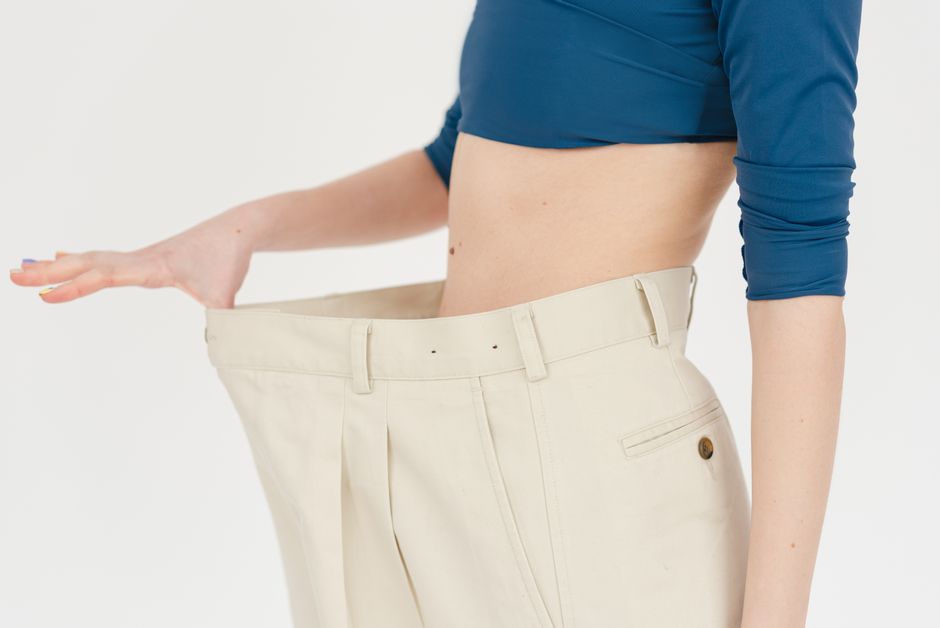
Planks are a popular core exercise, but they will not specifically reduce belly fat. Spot reduction—the idea that exercising one body part burns fat there—is a myth. Planks build and strengthen your core muscles, but they do not target the fat stored around your waist. To lose belly fat, you need to burn more calories than you consume, which requires a combination of a healthy diet, full-body exercise, and consistency. Planks are a valuable part of that routine for building a strong foundation, but they are not a shortcut to a flat stomach.
Why Planks Cannot Spot-Reduce Belly Fat
The concept of spot reduction has been studied for decades. Research consistently shows that exercising a specific muscle group does not significantly reduce the fat in that area. When you work out, your body draws energy from fat stores throughout your entire body, not just the muscles you are using.
Your genetics largely determine where you lose fat first. Some people lose weight in their face or arms before their midsection. Others lose belly fat earlier. You cannot control this order through exercise. Planks will make your abdominal muscles stronger and more defined, but if a layer of fat covers them, you will not see the results.
Think of it this way: doing bicep curls will not remove fat from your arms, and doing planks will not remove fat from your belly. Fat loss is a systemic process. Your body decides where it pulls fat from, and you do not get a vote.
What Planks Actually Do for Your Body
Planks are an isometric exercise, meaning you hold a position without movement. They primarily target the transversus abdominis, the deepest layer of your abdominal wall. This muscle acts like a natural corset, wrapping around your torso to stabilize your spine and pelvis.
Regular plank practice builds endurance in your core. This translates to better posture, reduced lower back pain, and improved performance in other exercises. A strong core is not about having visible abs; it is about having a stable foundation for everyday movements like lifting, bending, and twisting.
Planks also engage your shoulders, chest, and glutes. They are a functional exercise that builds whole-body tension and stability. However, the calorie burn during a plank is relatively low compared to dynamic exercises. Holding a plank for one minute burns roughly 3 to 5 calories, depending on your weight. That is not enough to create a meaningful calorie deficit on its own.
How to Lose Belly Fat: The Evidence-Based Approach
Belly fat is not just subcutaneous fat (the pinchable layer under your skin). It also includes visceral fat, which surrounds your internal organs. Visceral fat is more metabolically active and is linked to higher risks of heart disease, type 2 diabetes, and other health conditions.
To reduce both types of belly fat, you need a calorie deficit. This means eating fewer calories than your body burns. The most effective way to achieve this is through dietary changes, not exercise alone. Research consistently shows that diet has a larger impact on weight loss than exercise.
Focus on whole, unprocessed foods. Prioritize protein, fiber, and healthy fats. These keep you full and reduce the likelihood of overeating. Limit added sugars and refined carbohydrates, which are strongly associated with increased visceral fat.
For exercise, combine strength training with cardiovascular activity. Full-body strength training builds muscle, which raises your resting metabolic rate. Cardio, such as brisk walking, running, or cycling, burns calories directly. High-intensity interval training (HIIT) has also shown promise for reducing visceral fat in some studies, though steady-state cardio remains effective.





The Role of Diet in Reducing Belly Fat
You cannot out-exercise a poor diet. If your goal is to lose belly fat, your eating habits matter more than any exercise you do. A diet high in processed foods and added sugars promotes fat storage, particularly around the midsection.
Protein is especially important. It increases satiety, preserves muscle mass during weight loss, and has a higher thermic effect than carbs or fats—meaning your body burns more calories digesting it. Aim for a source of protein at every meal.
Fiber, particularly soluble fiber, helps with weight management. Soluble fiber forms a gel in your gut, slowing digestion and increasing fullness. Some research suggests that higher soluble fiber intake is associated with lower visceral fat levels.
Sugar-sweetened beverages deserve special attention. Liquid calories do not trigger the same fullness signals as solid food. Reducing or eliminating sugary drinks is one of the most effective single changes you can make for reducing belly fat.
Full-Body Exercises That Support Fat Loss
While planks strengthen your core, they should not be your only exercise. Full-body movements burn more calories and build more muscle. Compound exercises like squats, deadlifts, push-ups, and lunges engage multiple muscle groups simultaneously.
These exercises create a greater metabolic demand than isolation exercises. More muscle mass means a higher resting metabolic rate, which makes it easier to maintain a calorie deficit over time. Strength training two to three times per week is a reasonable target for most healthy adults.
Cardiovascular exercise remains a cornerstone of fat loss. The American Heart Association recommends at least 150 minutes of moderate-intensity aerobic activity or 75 minutes of vigorous activity per week. This level of activity supports heart health and contributes to the calorie deficit needed for fat loss.
Walking is underrated. It is accessible, low-impact, and sustainable. A daily 30-minute walk can add up to significant calorie expenditure over a week. Consistency matters more than intensity when it comes to long-term fat loss.
Why Consistency Beats Intensity
Many people start a fitness routine with intense motivation and burn out within weeks. Sustainable fat loss requires habits you can maintain for months and years. A moderate plan you stick with will always outperform an aggressive plan you abandon.
Planks are a good consistency exercise because they require no equipment and take little time. You can do them anywhere. But they need to be part of a broader, sustainable routine that includes strength training, cardio, and mindful eating.
Sleep is also a factor. Poor sleep is linked to higher levels of ghrelin (the hunger hormone) and lower levels of leptin (the fullness hormone). Chronic sleep deprivation makes it harder to control appetite and increases the likelihood of weight gain, particularly around the midsection.
Stress management matters too. Elevated cortisol, the stress hormone, is associated with increased abdominal fat. Chronic stress can drive overeating and make fat loss more difficult. Managing stress through adequate sleep, physical activity, and relaxation techniques supports your overall fat-loss efforts.
Practical Tips for Adding Planks to Your Routine
If you enjoy planks, keep doing them. They build core strength that supports better posture and injury prevention. Here are some practical ways to incorporate them effectively:
- Start with a 20-second hold and gradually increase the duration.
- Focus on form: keep your body in a straight line from head to heels.
- Do not hold your breath. Breathe steadily throughout the hold.
- Add variety with side planks to target the obliques.
- Use planks as a finisher after your main workout, not as your only exercise.
Quality matters more than duration. A perfect 30-second plank is more effective than a sagging two-minute hold. When your form breaks, stop and rest. There is no benefit to holding a position with poor alignment.
Planks can be part of a warm-up or a cool-down. They activate the core before dynamic movements and help stabilize the spine afterward. They are versatile and safe for most people, provided you do not have a pre-existing back or shoulder injury.
Frequently Asked Questions
How long should I hold a plank to see results?
There is no specific time that guarantees results. Focus on maintaining proper form for as long as you can, even if that is only 20 to 30 seconds.
Can planks alone give me a flat stomach?
No. Planks build core strength but do not reduce the fat layer covering your abdominal muscles. You need a calorie deficit through diet and full-body exercise to see a flatter stomach.
What is the best exercise to lose belly fat?
No single exercise removes belly fat. A combination of full-body strength training, cardiovascular exercise, and a healthy diet is the most effective approach.
How often should I do planks each week?
Two to three times per week is reasonable for most people. Give your core muscles time to recover between sessions, just like any other muscle group.
