
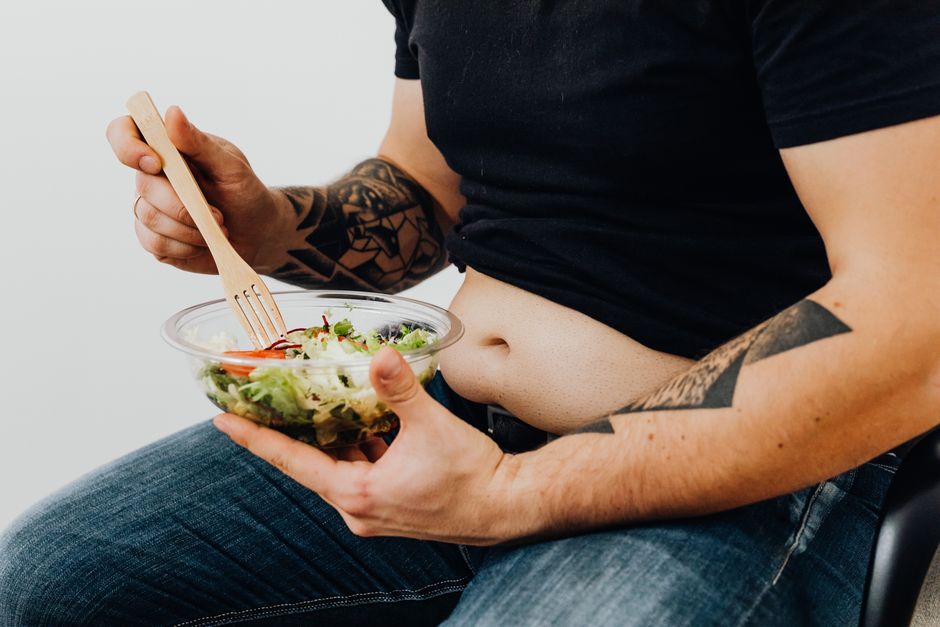
Belly fat is not just about how your clothes fit. It is a health issue with real consequences. The main causes of belly fat are a mix of poor diet, lack of exercise, stress, sleep problems, and genetics. No single pill or diet will fix it. But understanding the real causes can help you make changes that actually work.
What Exactly Is Belly Fat and Why Does It Matter?
Belly fat is not all the same. There are two types. Subcutaneous fat sits just under your skin. You can pinch it. Then there is visceral fat. This is the fat that wraps around your organs deep inside your abdomen.
Visceral fat is the dangerous one. Research shows it is linked to heart disease, type 2 diabetes, and inflammation. It is not just a cosmetic problem. It is a metabolic problem. Current research suggests that even people at a normal weight can have too much visceral fat. This is sometimes called “normal weight obesity.”
The good news is that visceral fat responds well to lifestyle changes. It is often the first fat your body burns when you improve your diet and exercise habits. This makes understanding the causes of belly fat a useful first step, not a reason to feel stuck.
Does Diet Alone Cause Belly Fat?
Yes, diet is a major driver. But it is not just about how much you eat. It is about what you eat.
High sugar intake is a clear culprit. Studies have found that added sugars, especially from sugary drinks, are strongly linked to more visceral fat. Fructose, a type of sugar found in soda and many processed foods, seems to be especially harmful. Your liver converts excess fructose directly into fat, which then gets stored around your organs.
Refined carbohydrates are another problem. White bread, pasta, crackers, and pastries spike your blood sugar quickly. Your body releases insulin to bring blood sugar down. Insulin is a fat-storage hormone. Over time, high insulin levels tell your body to hold onto belly fat.
Processed foods are often high in both sugar and refined carbs. They also lack fiber. Fiber helps you feel full and slows down sugar absorption. Without it, you eat more and your blood sugar swings more. This combination is a direct cause of belly fat accumulation.
Trans fats, found in some margarines, baked goods, and fried foods, are also linked to increased belly fat. Many countries have banned them, but they still exist in some products. Check ingredient labels for “partially hydrogenated oils.”
How Does Stress and Sleep Affect Belly Fat?
Stress is not just in your head. It changes your body chemistry in ways that promote belly fat.
When you are stressed, your body releases cortisol. Cortisol is a hormone that helps you handle short-term threats. But chronic stress keeps cortisol levels high. High cortisol tells your body to store fat in the abdomen. It also increases your appetite, especially for high-calorie comfort foods.
Sleep is equally important. Studies have found that people who sleep fewer than five hours per night gain more belly fat over time. Lack of sleep disrupts hormones that control hunger. Ghrelin, the hunger hormone, goes up. Leptin, the hormone that tells you to stop eating, goes down. You feel hungrier and less satisfied.
Poor sleep also lowers your metabolism and increases cortisol. It creates a perfect storm for belly fat gain. As of 2026, sleep is increasingly recognized as a core factor in weight management, not just a nice extra.
-
 Does Diet Pop Cause Belly Fat? Everything You Need to Know
 -
How Much Cardio to Lose Belly Fat? What You Need to Know
-
Can Bicycle Lose Belly Fat? Everything You Need to Know
-
How Can I Reduce My Belly Fat Fast? What You Need to Know
-
Japanese Water Ritual for Weight Loss. Nagano Tonic Reviews & Ingredients.





What Role Do Hormones and Genetics Play?
Hormones change as you age. This is not something you can control, but understanding it helps.
For women, menopause often leads to more belly fat. Estrogen levels drop. Fat distribution shifts from hips and thighs to the abdomen. This is a normal biological change, but it can be frustrating. Strength training and a higher protein diet can help offset some of this shift.
For men, testosterone naturally declines with age. Lower testosterone is linked to more body fat, including visceral fat. Some studies suggest that maintaining muscle mass through resistance training can help keep testosterone levels healthier.
Genetics also play a role. Some people are genetically predisposed to store fat in their abdomen. You cannot change your genes. But genes are not destiny. They influence where fat is stored, not how much. Lifestyle choices still determine whether you reach that genetic potential.
One non-obvious insight: the bacteria in your gut may also influence belly fat. Some studies suggest that people with more diverse gut bacteria tend to have less visceral fat. Eating fiber-rich foods like vegetables, beans, and fermented foods supports a healthy gut microbiome. This is an emerging area of research, not a proven fix, but it is worth paying attention to.
What Actually Works to Reduce Belly Fat?
There is no magic trick. But the evidence points to a few things that work consistently.
| Approach | What the Evidence Says |
|---|---|
| Calorie deficit | You must burn more calories than you eat. This is non-negotiable for fat loss overall. |
| Protein intake | Higher protein diets reduce appetite and help preserve muscle during weight loss. Muscle burns more calories than fat. |
| Fiber | Soluble fiber, found in oats, apples, and beans, helps reduce belly fat by slowing digestion and lowering insulin. |
| Strength training | Building muscle increases your resting metabolism. It also directly reduces visceral fat. |
| Cardio | Moderate to vigorous aerobic exercise reduces belly fat. Walking alone is not enough for most people. |
| Sleep | Seven to nine hours per night helps regulate hunger hormones and cortisol. |
Spot reduction does not work. You cannot do a thousand crunches and lose belly fat. Fat loss happens from the whole body. Your genetics decide where it comes off first. The only way to lose belly fat is to lose overall body fat.
Intermittent fasting has become popular for belly fat. Some studies suggest it can help, mostly because it makes it easier to eat fewer calories. But it is not magic. If you eat the same amount of calories in a shorter window, you will not lose more fat. It is a tool, not a cure.
Sugar-sweetened beverages are the single easiest thing to cut. Replacing one soda per day with water can lead to measurable reductions in visceral fat over time. This is one change that has strong evidence behind it.
What Should You Avoid When Trying to Lose Belly Fat?
There is a lot of bad advice out there. Some of it can actually make things worse.
Detox teas and juice cleanses are a waste of money. Your liver and kidneys detox your body naturally. These products cause temporary water loss, not fat loss. You will regain the weight as soon as you eat normally.
Fat burner supplements are not supported by strong evidence. Most contain caffeine and stimulants that may slightly increase metabolism for a short time. The effects are small and often come with side effects like anxiety and insomnia. Some people report feeling jittery without actually losing fat.
Crash diets are counterproductive. Very low calorie diets slow your metabolism and cause muscle loss. When you go back to normal eating, you regain fat faster than before. This is widely claimed but also well-documented in research.
Endless cardio without strength training is a common mistake. Running for hours can burn calories, but it does not build muscle. Without muscle, your metabolism drops over time. You end up needing to eat less and less to maintain your weight.
Alcohol is often overlooked. It provides empty calories and lowers inhibitions, making you more likely to overeat. Some studies suggest that heavy drinking is specifically linked to more visceral fat. Cutting back on alcohol is one of the most effective changes you can make.
Frequently Asked Questions About causes belly fat
Can you lose belly fat without exercise?
Yes, diet alone can reduce body fat including belly fat. But exercise helps you lose it faster and keeps muscle mass intact.
Does drinking water help reduce belly fat?
Water itself does not burn fat. But replacing sugary drinks with water reduces calorie intake, which helps with fat loss overall.
How long does it take to lose belly fat?
There is no set timeline. Most people see changes in 4 to 8 weeks with consistent diet and exercise changes.
Are there foods that specifically target belly fat?
No single food targets belly fat. A diet high in protein, fiber, and whole foods supports overall fat loss, which includes the belly.
