
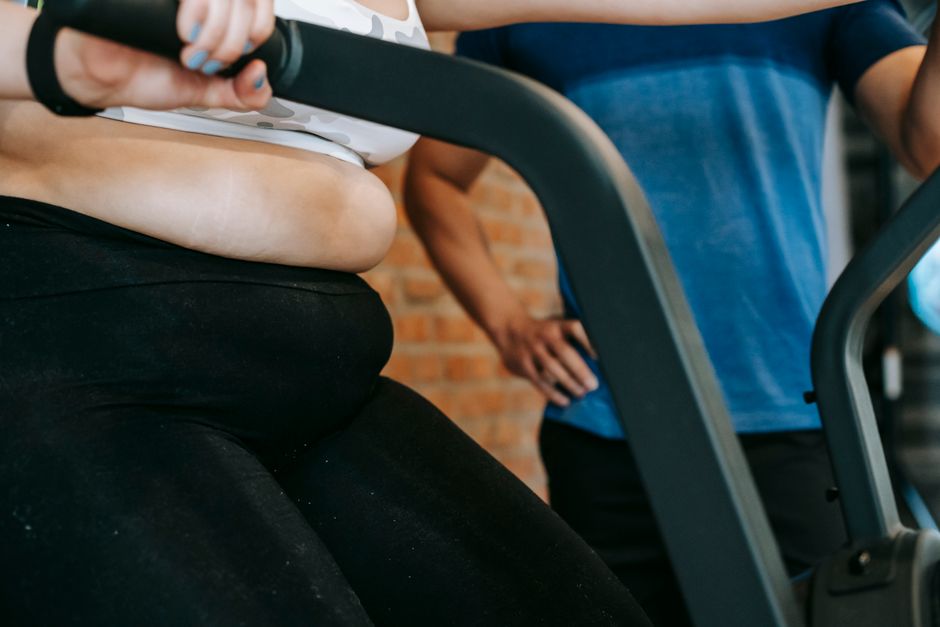
You cannot lose belly fat by doing bicycle crunches alone. Spot reduction — losing fat from one specific area by exercising that area — is a myth that research has repeatedly disproven. What cycling motions can do is strengthen your core muscles, which may make your midsection appear firmer over time. But to actually lose belly fat, you need to reduce overall body fat through a calorie deficit and full-body movement.
What Does Research on Bicycle Crunches and Belly Fat Show?
Studies have consistently found that targeting one muscle group with specific exercises does not reduce fat in that area. A well-known study published in the Journal of Strength and Conditioning Research had participants do abdominal exercises five days a week for six weeks. The result? No significant reduction in belly fat was measured, even though abdominal endurance improved.
Research examining bicycle crunches specifically has not found evidence of spot reduction either. The bicycle crunch is effective at activating the rectus abdominis and the obliques — the muscles of your core. But the fat sitting on top of those muscles does not respond to local exercise. Fat loss happens systemically. Your body decides where it pulls fat from, and you cannot control that process.
The American Council on Exercise has rated the bicycle crunch as one of the most effective exercises for muscle activation. That is about building muscle, not burning belly fat. Confusing the two is where most fitness misinformation starts.
Can Bicycle Lose Belly Fat Through Cycling Itself?
If you mean riding an actual bicycle, the answer is different. Cycling is a cardiovascular exercise that burns calories. A 155-pound person burns roughly 260 calories in 30 minutes of moderate cycling. Over time, consistent cycling can contribute to a calorie deficit, which is necessary for fat loss anywhere on the body.
But cycling alone — even hours per week — will not specifically target belly fat. The CDC reports that adults need at least 150 minutes of moderate-intensity aerobic activity per week for general health. For noticeable weight loss, many people need more than that, combined with dietary changes.
Steady-state cycling also does not build significant abdominal muscle. If your goal is a visible change in your midsection, you need both fat loss (from a calorie deficit) and core strength (from resistance training). Cycling gives you the first part but not the second.
What Actually Works to Lose Belly Fat?
Belly fat — particularly visceral fat stored deep in the abdomen — responds best to a combination of diet, full-body exercise, and stress management. Research published in the journal Diabetes Care found that people who combined aerobic exercise with resistance training lost more visceral fat than those who did either type of exercise alone.
Here is what the evidence supports for reducing belly fat:
- Calorie deficit — You must burn more calories than you consume. No exercise overrides this basic requirement.
- Aerobic exercise — Walking, jogging, swimming, or cycling at a steady pace for 30-60 minutes most days.
- Resistance training — Lifting weights or doing bodyweight exercises builds muscle, which raises your resting metabolism.
- Sleep quality — The National Institutes of Health reports that people who sleep fewer than 5 hours per night tend to have more visceral fat.
- Stress reduction — High cortisol levels are linked to increased abdominal fat storage.
There is no shortcut. Belly fat is often the last fat to leave the body. People who lose weight typically see changes in their face, arms, and legs before their midsection. That is normal biology, not a sign that your efforts are failing.





How Does the Bicycle Crunch Compare to Other Ab Exercises?
| Exercise | Muscle Activation | Calorie Burn | Fat Loss Effect |
|---|---|---|---|
| Bicycle crunch | High for rectus abdominis and obliques | Low (less than 5 calories per set) | None from the exercise itself |
| Plank | Moderate for entire core | Low | None from the exercise itself |
| Leg raises | High for lower rectus abdominis | Low | None from the exercise itself |
| Running (30 min) | Low for core | Moderate (250-400 calories) | Contributes to overall fat loss |
| Full-body strength training | Moderate for core during compound lifts | Moderate | Contributes to overall fat loss |
The bicycle crunch is excellent for building visible abdominal muscle. It is not effective for burning the fat that hides those muscles. If your goal is a lean midsection, the table makes it clear that calorie-burning activities matter more than ab-specific exercises.
What Are Common Misconceptions About Belly Fat Loss?
The most persistent myth is that hundreds of crunches or bicycle kicks will flatten your stomach. Some people report doing thousands of repetitions per week with no visible change. That is not a failure of effort. It is a misunderstanding of how fat loss works.
Another misconception is that certain foods or drinks can target belly fat. As of 2026, there is no clinical evidence that any food, detox tea, or supplement specifically reduces abdominal fat. The FDA does not approve any over-the-counter product for spot reduction. If a product claims to melt belly fat, it is either misleading or fraudulent.
A third misconception is that you need to do ab exercises every day. Your abdominal muscles are like any other muscle group — they need recovery time. Training them daily does not speed up fat loss and can lead to poor form or injury. Two to three sessions per week of core work is sufficient for muscle development.
Finally, many people believe that a flat stomach is a sign of health. Visceral fat — the type that wraps around your organs — is dangerous regardless of how your stomach looks. A person with a flat stomach can still have unhealthy levels of visceral fat. The only reliable way to measure it is through a waist circumference measurement or medical imaging.
What Should You Avoid When Trying to Lose Belly Fat?
Avoid any program that promises rapid belly fat loss. The CDC states that healthy weight loss is 1-2 pounds per week. Faster loss is usually water weight or muscle, not fat. Programs that claim you can lose inches from your waist in a week are not based on real physiology.
Avoid ab-focused workout programs that ignore the rest of your body. Doing only crunches and bicycle exercises creates muscle imbalance and neglects the calorie burn that comes from larger muscle groups like your legs and back. Compound exercises like squats, deadlifts, and pushups burn more calories per minute than any ab exercise.
Avoid waist trainers, vibration belts, and electrical muscle stimulators marketed for fat loss. The Federal Trade Commission has taken action against companies making these claims because the evidence does not support them. These devices may temporarily compress your midsection or cause mild muscle contraction, but they do not reduce fat.
Avoid extreme calorie restriction. Severely cutting calories causes your body to lower its metabolic rate and break down muscle for energy. This makes it harder to lose fat in the long run. A modest deficit of 300-500 calories per day is more sustainable and effective.
Frequently Asked Questions
Can bicycle crunches alone give me a flat stomach?
No. Bicycle crunches strengthen your core muscles but do not reduce belly fat. You need overall fat loss through diet and full-body exercise to see a flat stomach.
How many bicycle crunches should I do per day?
There is no ideal number for fat loss. For muscle endurance, 3 sets of 15-20 repetitions performed 2-3 times per week is sufficient.
Does riding a bike burn belly fat faster than running?
Neither burns belly fat specifically. Both burn calories and contribute to overall fat loss. Running typically burns more calories per minute than moderate cycling.
What is the best exercise to lose belly fat?
No single exercise targets belly fat. A combination of aerobic exercise, resistance training, and a calorie deficit is the only evidence-based approach.
