
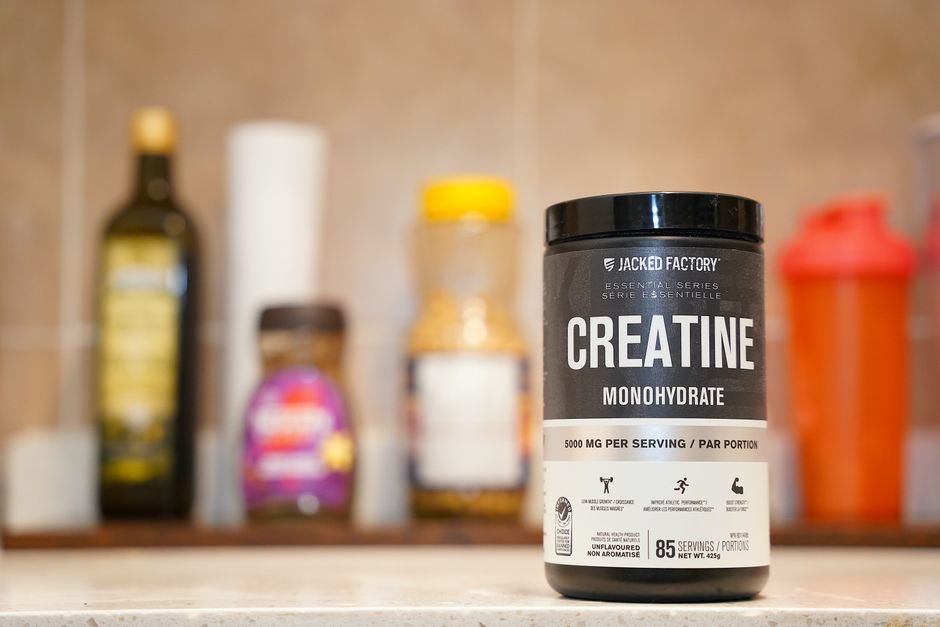
Creatine is one of the most studied supplements in sports nutrition, and the short answer is that you can take it continuously for years without a break. Research has tracked people using standard doses of creatine monohydrate for extended periods—often five years or more—without finding negative health effects in healthy individuals. The common worry that you must “cycle” on and off creatine to protect your kidneys or liver is not supported by clinical evidence.
Is It Safe to Take Creatine Every Day Long Term?
Yes. Studies have consistently shown that daily creatine supplementation at standard doses is safe for healthy adults over long periods. The International Society of Sports Nutrition has stated that creatine monohydrate is the most effective ergogenic supplement currently available and that long-term use appears safe.
Your body naturally produces about 1 to 2 grams of creatine per day, and you also get it from eating meat and fish. Supplementing adds roughly 3 to 5 grams daily on top of that. Your muscles store what they need, and the excess is excreted by the kidneys as creatinine.
The concern about kidney damage comes from a misunderstanding. Creatine breaks down into creatinine, and creatinine is a marker doctors use to assess kidney function. High creatinine levels can indicate kidney problems—but in people taking creatine, higher creatinine simply reflects the supplement breaking down, not kidney injury.
How Long Can You Take Creatine Without a Break?
There is no established maximum duration for creatine use. Clinical trials have run for years without interruption, and no evidence suggests that taking a break is necessary for safety or effectiveness.
Some older recommendations suggested cycling creatine—taking it for 8 to 12 weeks, then stopping for 4 weeks. This advice was based on the theory that your body’s creatine transporters might downregulate over time, reducing effectiveness. That theory has not been confirmed by research. Your muscles do not appear to stop responding to creatine with continuous use.
Many athletes and bodybuilders simply stay on creatine indefinitely. If you respond well to it and have no underlying health conditions, there is no scientific reason to stop.
What Happens When You Stop Taking Creatine?
When you stop taking creatine, your muscle stores gradually return to baseline. This typically takes 4 to 6 weeks. You will notice a drop in water weight within the first few weeks because creatine pulls water into your muscle cells.
You will not lose actual muscle tissue from stopping creatine. What you lose is the performance boost that creatine provides—particularly in short, high-intensity efforts like weightlifting, sprinting, and jumping. If you continue training with the same intensity, you will keep your muscle. If you stop creatine and train the same way, your strength and power output may drop slightly because your muscles no longer have the extra phosphocreatine stores.
There is no withdrawal syndrome. No physical dependence develops. Some people report feeling “flat” or less pumped after stopping, but that is simply the loss of intracellular water volume.





Who Should Not Take Creatine Long Term?
Most healthy adults can take creatine safely. However, certain groups should be more cautious:
- People with pre-existing kidney disease should not take creatine without medical supervision. If you have chronic kidney disease, your kidneys already struggle to clear creatinine, and supplementing will raise levels further.
- People with liver disease should consult a doctor first, as creatine metabolism involves the liver.
- People taking medications that affect kidney function—such as NSAIDs, diuretics, or certain blood pressure drugs—should discuss creatine with their physician.
If you have no diagnosed health conditions, routine blood work is not strictly necessary. But if you plan to take creatine for years, it is reasonable to have kidney function checked periodically—not because creatine is dangerous, but because it is smart to know your baseline.
How Much Creatine Should You Take Daily?
The standard maintenance dose is 3 to 5 grams per day. This is the dose used in nearly all long-term studies. Taking more than 5 grams daily does not appear to provide additional benefit once muscles are saturated.
Some people choose to “load” creatine by taking 20 grams per day for 5 to 7 days to saturate muscles faster. This is optional. Loading gets you to full saturation in about a week, while taking 3 to 5 grams daily reaches the same saturation in about 3 to 4 weeks. There is no evidence that loading is necessary, and it can cause stomach discomfort in some people.
Creatine monohydrate is the form with the most research behind it. Other forms—such as creatine ethyl ester, creatine hydrochloride, or buffered creatine—are marketed as better absorbed, but no solid evidence shows they outperform plain creatine monohydrate.
Does Creatine Cause Hair Loss or Dehydration?
These are two of the most persistent creatine myths, and neither is supported by strong evidence.
The hair loss claim comes from a single study in rugby players that found increased levels of a compound called DHT—a testosterone byproduct linked to male pattern baldness—after creatine loading. No study has actually shown that creatine causes hair loss in humans. The evidence is limited to this one biochemical finding, and it has not been replicated consistently. If you have a family history of baldness and are concerned, you can weigh the theoretical risk against the known performance benefits.
The dehydration claim is also not supported. Creatine draws water into muscle cells, which could theoretically shift fluid balance. But multiple studies have examined creatine use in hot environments and during exercise in the heat, and they have not found increased rates of dehydration, cramping, or heat illness. In fact, because creatine increases total body water, some research suggests it may actually improve hydration status. Still, you should drink normally according to thirst and exercise needs.
Is Creatine Effective for People Over 50?
Creatine is not just for young athletes. Research has examined creatine supplementation in older adults, particularly for preserving muscle mass and strength.
As you age, you naturally lose muscle mass—a condition called sarcopenia. Creatine combined with resistance training has been shown in multiple studies to help older adults gain more strength and lean mass than training alone. Some research has also looked at creatine for cognitive function in older adults, though the evidence there is less consistent.
The dose for older adults is the same: 3 to 5 grams per day. No special dosing adjustments are needed for healthy older individuals. As always, if you have kidney disease or other chronic conditions, talk to your doctor first.
Do You Need to Take Creatine on Rest Days?
Yes, if you want to maintain saturated muscle stores. Creatine works by keeping your muscles consistently saturated. Missing a day here and there will not undo weeks of supplementation, but regular daily intake is the most effective approach.
Taking creatine on rest days does not cause weight gain beyond the initial water retention, and it does not interfere with recovery. Your muscles use creatine during training days, and rest days allow stores to be replenished. Consistency matters more than timing.
Some people prefer to take creatine with a meal or with carbohydrates, based on research suggesting insulin may help creatine uptake into muscles. The practical difference is small. Taking creatine at any time of day, consistently, is what matters most.
Frequently Asked Questions
Can you take creatine for years without stopping?
Yes, research has tracked continuous creatine use for five years or more without adverse effects in healthy adults. There is no established reason to take a break.
Does creatine damage your kidneys over time?
No clinical evidence shows that creatine damages kidneys in healthy people. It raises creatinine levels in blood tests, but that reflects normal creatine breakdown, not kidney injury.
What happens if you stop taking creatine cold turkey?
Your muscle creatine stores gradually return to normal over 4 to 6 weeks, and you may lose some water weight. You will not lose muscle, but you may lose some strength and power benefits.
Is 5 grams of creatine a day too much?
No, 5 grams daily is a standard maintenance dose used in long-term studies. Doses above 5 grams do not appear to provide additional benefit once muscles are saturated.
