
Coconut sugar raises blood sugar. It is not a low-sugar sweetener, and it does not prevent spikes. Gram for gram, it affects blood glucose much like regular table sugar does. The difference between them is smaller than most people expect.
That surprises many readers. Coconut sugar carries a health-food reputation. It is sold in natural food aisles and often described as a better choice for people watching their blood sugar. The physiology does not support that framing. Anyone managing diabetes or prediabetes should treat coconut sugar as they would any added sugar.
Does Coconut Sugar Spike Blood Sugar?
Yes. Coconut sugar is roughly three-quarters sucrose, and sucrose breaks down quickly into glucose and fructose during digestion. The glucose portion enters your bloodstream and raises blood sugar within minutes to an hour after eating.
The exact rise depends on the person, the amount eaten, and what else is on the plate. But the direction is not in question. Coconut sugar is a sugar. Your body processes it as a sugar.
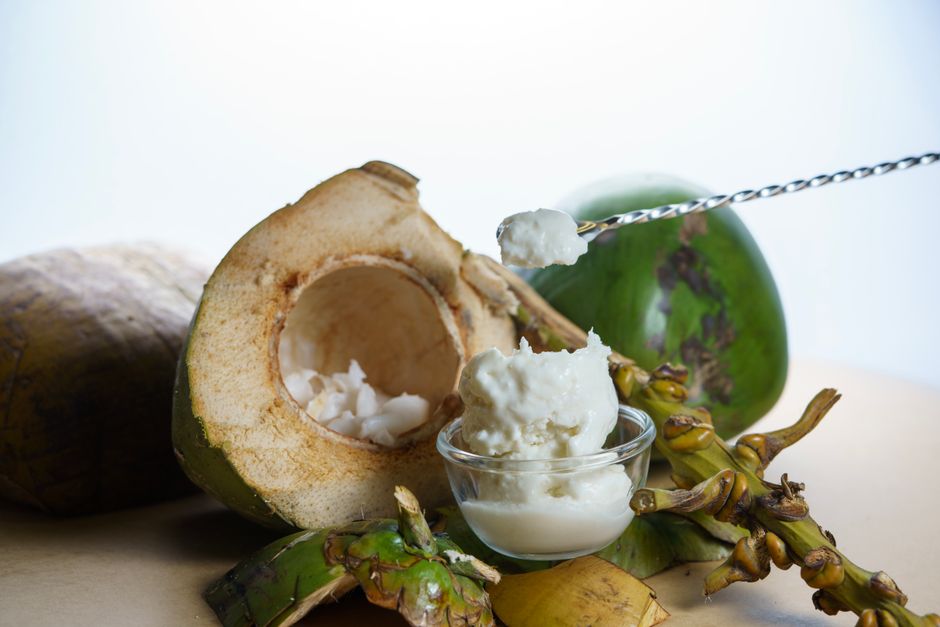
One detail often gets lost. Coconut sugar is made from the sap of coconut palm flowers. It is not coconut oil, and it is not the same as the coconut flesh people eat. It is a concentrated sugar product with a mild caramel taste.
Some marketing describes coconut sugar as having a low glycemic index. The glycemic index is a measure of how fast a food raises blood sugar compared with pure glucose. Estimates for coconut sugar vary widely across sources, and the evidence base is thin. Even if its index were modestly lower than table sugar, that does not make it a blood-sugar-friendly food. The glycemic index of a sweetener says nothing about how much of it you eat. A large spoonful still delivers a large sugar load.
How Coconut Sugar Compares to Regular Sugar
The two are close enough that swapping one for the other will not meaningfully change your blood sugar response. Both are mostly sucrose. Both deliver about the same calories per gram.
Here is how they line up on the measures that matter for blood glucose:
| Measure | Coconut sugar | White table sugar |
|---|---|---|
| Main sugar type | Mostly sucrose | Sucrose (nearly pure) |
| Calories per teaspoon | About 15 | About 16 |
| Effect on blood glucose | Raises it | Raises it |
| Trace minerals | Small amounts | Negligible |
The calorie figures come from standard nutrient databases and are close enough to be interchangeable in practice. The trace mineral content of coconut sugar is real but tiny. You would need to eat far more sugar than is advisable to get any meaningful amount of iron, zinc, or potassium from it. No one should choose a sweetener for its mineral content.
The honest summary: coconut sugar is a slightly less refined sugar with a different flavor. It is not a different category of food.
Why “Natural” Sugar Still Raises Blood Glucose
Your body does not sort sugars by how natural they are. It sorts them by their chemical structure, and that structure determines what happens after you swallow them.
Sucrose is a two-part molecule: one glucose unit joined to one fructose unit. An enzyme in your small intestine called sucrase splits the bond almost immediately. The glucose goes straight into your blood. The fructose travels to the liver, where it is processed separately.
This is why honey, maple syrup, agave, coconut sugar, and white sugar all affect blood sugar. They differ in their ratios of glucose to fructose and in their flavor, but they are all concentrated sugars. The word “natural” describes where a sugar came from. It says nothing about what it does inside your body.
There is a useful distinction here that gets blurred in marketing. Whole fruit contains sugar, but it also contains fiber and water that slow digestion and blunt the blood sugar rise. Fruit is a package. Coconut sugar is the extracted sugar with the package removed. That is the difference that matters for glucose control, not the plant it came from.





What the Glycemic Index Does and Does Not Tell You
The glycemic index (GI) ranks foods by how quickly a set amount of carbohydrate raises blood sugar. It is a real tool, but it is easy to misuse.
GI is measured on a fixed portion of available carbohydrate, not on a typical serving. A food can have a low GI and still spike your blood sugar if you eat a large amount of it. This is where the concept of glycemic load comes in. Glycemic load multiplies the GI by the actual carbohydrate in a serving, giving a more realistic picture.
For coconut sugar, published GI values are inconsistent and not well established. Some sources place it in a moderate range, others lower. The evidence is not strong enough to make confident claims either way. What is well established is simpler: coconut sugar is high in sucrose, and sucrose raises blood glucose. A favorable GI number, even if accurate, would not change that basic fact.
If you have diabetes, your care team’s guidance on counting carbohydrate grams is more useful than chasing GI values for sweeteners. Total carbohydrate and portion size drive blood sugar more than the type of sugar.
How Much Does a Spoonful Actually Raise Blood Sugar?
There is no single number. The rise after eating coconut sugar depends on your body, your medications, the amount eaten, and what else is in the meal.
What is well established is the relationship. More sugar means a larger rise. Eating sugar alone means a faster rise than eating it with protein, fat, and fiber. People with diabetes often see a larger and longer rise than people without it, because their bodies handle glucose less efficiently.
Some practical context that holds up:
- A teaspoon of coconut sugar adds about 4 grams of carbohydrate, almost all of it sugar.
- Added sugars are best kept low. Federal dietary guidance advises limiting added sugars to less than 10% of daily calories.
- Pairing a sweet food with protein, fat, or fiber slows digestion and softens the glucose rise.
Those carbohydrate figures come from standard nutrient data. The 10% guidance reflects long-standing federal dietary recommendations. Neither is a substitute for individualized advice from a clinician who knows your health history.
Is Coconut Sugar a Good Choice If You Have Diabetes?
It is not a good choice for blood sugar control, and it is not a safe substitute for managing carbohydrate intake. It is simply sugar with a different label.
This does not mean coconut sugar is forbidden. People with diabetes can include small amounts of sugar in a well-planned diet, and many do. The key is portion size, total carbohydrate, and how the sugar fits into the rest of the day. Some clinicians recommend treating coconut sugar exactly like table sugar when counting carbs. That is a reasonable approach.
What is not supported is the idea that coconut sugar is safe to use freely because it is natural or has a lower glycemic index. No clinical evidence confirms that. Anyone adjusting insulin or other glucose-lowering medication around sweeteners should talk with their care team first, because dosing decisions depend on individual factors that no general article can address.
What About Other Natural Sweeteners?
Most alternative sweeteners fall into the same trap. Honey, maple syrup, and agave nectar are all concentrated sugars that raise blood glucose. Agave is higher in fructose, which affects the liver differently, but it is not a free pass for blood sugar.
Non-nutritive sweeteners are a separate category. Products containing stevia, monk fruit, or sucralose add sweetness with little or no carbohydrate, so they do not raise blood sugar the way sugar does. That does not make them nutritionally meaningful foods, and some people prefer to limit them. But for glucose control specifically, they behave very differently from coconut sugar.
If your goal is to reduce blood sugar spikes, the most reliable step is to reduce added sugar overall, not to swap one sugar for another. Whole fruit, which pairs sugar with fiber and water, is a better source of sweetness for most people. The evidence for that is strong and consistent.
Frequently Asked Questions
Does coconut sugar spike blood sugar?
Yes, coconut sugar raises blood sugar because it is mostly sucrose, which breaks down into glucose during digestion. It affects blood glucose much like regular table sugar.
Is coconut sugar better than white sugar for diabetics?
No, it is not meaningfully better. Both are mostly sucrose and raise blood glucose, so coconut sugar should be counted like table sugar in a diabetes meal plan.
Does coconut sugar have a low glycemic index?
Published glycemic index values for coconut sugar are inconsistent and not well established. Even a lower index would not make it a low-sugar food, since it is still high in sucrose.
How much does one teaspoon of coconut sugar raise blood sugar?
There is no single number, because the rise depends on the person and the meal. One teaspoon adds about 4 grams of carbohydrate, almost all sugar, so smaller amounts cause smaller rises.
