
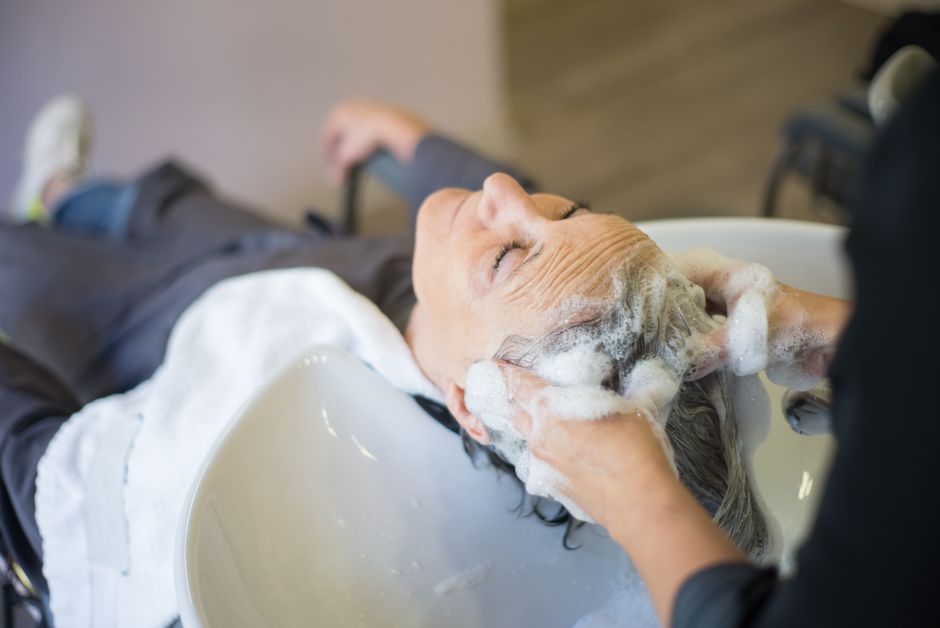
Coal tar shampoo does not cause hair loss. There is no established evidence that coal tar, used as directed on the scalp, damages hair follicles or triggers shedding. What it can do is make hair feel dry, rough, and more prone to tangling and snapping — which is breakage, not loss from the root. Those are two different things, and the distinction matters.
Coal tar has been used to treat scalp conditions like dandruff, seborrheic dermatitis, and psoriasis for well over a century. It is recognized as an effective treatment for these conditions in dermatology. The hair complaints people report are usually about texture and manageability, not about the follicle itself.
What Is Coal Tar Shampoo Actually Doing to Your Scalp?
Coal tar is a byproduct of coal processing. It contains hundreds of compounds, and the exact mix varies by source. The therapeutic effect comes from this complex mixture, not from a single ingredient.
On the scalp, coal tar works in a few ways. It slows down the rapid turnover of skin cells that causes flaking and scaling. It also reduces inflammation and itching. For people with psoriasis or seborrheic dermatitis, this can meaningfully reduce crusting and redness.
The shampoo sits on the scalp for a short time, then gets rinsed away. Most of the active compounds never reach the hair follicle in any meaningful concentration. The follicle sits deeper in the skin than the surface where coal tar does its work.
This is the key point. A treatment that acts on the surface layer of the scalp is not in a position to poison or shrink the follicle. The anatomy does not support the claim.
Does Coal Tar Shampoo Cause Hair Loss or Breakage?
Coal tar shampoo does not cause hair loss from the root. Hair loss — meaning the follicle stops producing hair or sheds prematurely — is not a documented effect of coal tar use on the scalp.
Breakage is a different story. Coal tar shampoo can be drying. It strips oils from the hair shaft. Dry hair is less flexible and more likely to snap when brushed or combed. This shows up as shorter broken strands and more split ends, not as a receding hairline or a thinner part.
How can you tell the difference? Look at the shed hair.
- Hair lost from the root has a small white or translucent bulb at one end. This is a telogen or club hair.
- Broken hair has no bulb. The ends are blunt, frayed, or uneven.
If you are finding bulb-tipped hairs in larger numbers, the cause is almost certainly something other than the shampoo. If you are finding short broken pieces, the shampoo’s drying effect could be contributing.
Why Do People Think Coal Tar Shampoo Causes Hair Loss?
Several things feed this belief.
The first is timing. People often start using coal tar shampoo when their scalp is already inflamed, itchy, and flaking. Scalp inflammation from seborrheic dermatitis or psoriasis can itself be associated with temporary shedding. When shedding happens after starting a new product, the product gets blamed. The underlying condition may be the real driver.
The second is texture. Coal tar shampoo leaves hair feeling different — rougher, stiffer, sometimes with a residual odor and a coated feel. That change in texture gets interpreted as damage or thinning, even when the actual number of hairs is unchanged.
The third is the smell and color. Coal tar products look and smell medicinal. That can prime people to expect problems.
There is also a genuine concern worth separating out. Coal tar is classified as a possible human carcinogen based on high-dose animal studies and occupational exposure. That is a different question from hair loss. Regulatory bodies have looked at this, and coal tar shampoos remain available for scalp use. The concern is about long-term exposure and skin cancer risk, not about hair. If you want to weigh that risk, talk to a dermatologist or pharmacist rather than relying on internet summaries.




What Actually Causes Hair Loss and Breakage?
If you are losing hair, coal tar shampoo is unlikely to be the reason. Here is what more commonly drives it.
Androgenetic alopecia is the most common cause of hair loss in both men and women. It is genetic and hormonal. It produces a gradual thinning pattern, not sudden shedding.
Telogen effluvium is a temporary shedding condition. It often follows a stressor — illness, surgery, major weight loss, childbirth, or severe emotional stress — by about two to three months. It usually resolves on its own once the trigger passes.
Scalp inflammation from psoriasis, seborrheic dermatitis, or fungal infections can disturb the follicle environment and contribute to shedding. Treating the inflammation often helps.
Nutritional deficiencies — low iron, low vitamin D, thyroid problems — can affect hair. These need to be identified by a doctor through blood tests, not guessed at.
Mechanical and chemical damage is the main cause of breakage. This includes harsh brushing, tight hairstyles, heat styling, bleaching, relaxing, and repeated chemical treatments. A drying shampoo can add to this load but is rarely the sole cause.
If you are genuinely concerned about hair loss, the useful step is a medical evaluation. A dermatologist can examine your scalp, check for pattern loss, and order labs if needed. That is more reliable than changing shampoos and hoping.
How to Use Coal Tar Shampoo Without Damaging Your Hair
If coal tar shampoo helps your scalp, you do not have to choose between a calm scalp and intact hair. A few adjustments reduce the drying effect.
Follow the label directions. Most coal tar shampoos are not meant for daily use. They are typically used a few times a week, and some require a short contact time before rinsing. Using more than directed increases dryness without adding benefit.
Focus the shampoo on the scalp, not the length of your hair. The scalp is what needs treatment. Letting the lather run through the ends briefly is enough.
Use a conditioner after. Conditioner smooths the hair shaft and reduces friction, which lowers breakage risk. This is a practical step, not a marketing one.
Be gentle when detangling. Use a wide-tooth comb on damp hair. Start at the ends and work upward. Ripping through tangles causes breakage regardless of what shampoo you use.
Consider alternating with a gentler shampoo. Some people use coal tar shampoo on treatment days and a mild moisturizing shampoo on other days. This can reduce cumulative dryness.
If your scalp condition does not improve after a reasonable trial, or if it worsens, see a doctor. Coal tar is not the only option. Other treatments for dandruff, seborrheic dermatitis, and psoriasis exist, and a clinician can help you find what works for your situation.
Is Coal Tar Shampoo Safe for Everyone?
Coal tar shampoo is not recommended for everyone. People with known sensitivity to coal tar or related compounds should avoid it. It is generally advised against during pregnancy and breastfeeding, though the evidence on this specific point is limited and you should confirm with your doctor rather than relying on general statements.
It should not be used on broken, infected, or acutely inflamed skin without medical guidance. And it should be kept away from the eyes, since it can irritate them.
Coal tar increases sensitivity to sunlight. If you use it, sun protection on exposed skin is a reasonable precaution. This is a recognized effect of tar products.
For most people using it as directed for a scalp condition, the main side effects are local: dryness, irritation, and sensitivity to sun. Serious reactions are uncommon but possible. If you notice significant irritation, stop and speak to a healthcare provider.
The Bottom Line on Coal Tar Shampoo and Hair
Coal tar shampoo does not cause hair loss. The evidence does not support that claim, and the way the product works on the scalp does not provide a mechanism for it.
It can cause breakage indirectly by drying the hair. That is a texture and handling issue, not a follicle issue. You can manage it with conditioner, gentle detangling, and sensible use.
If you are losing hair from the root, look elsewhere for the cause. A doctor can help you sort out whether it is genetic, stress-related, nutritional, or tied to a scalp condition. Blaming your shampoo is likely to delay finding the real answer.
Frequently Asked Questions
Does coal tar shampoo cause hair loss?
No. There is no established evidence that coal tar shampoo causes hair loss from the root, and it does not reach the follicle in meaningful amounts. If you are shedding bulb-tipped hairs, the cause is likely something other than the shampoo.
Can coal tar shampoo make my hair break?
It can contribute to breakage because it is drying, which makes hair less flexible and more likely to snap. Using a conditioner and detangling gently can reduce this.
How do I know if my hair is breaking or falling out?
Look at the shed strands. Hair lost from the root has a small white bulb at one end, while broken hair has blunt or frayed ends and no bulb.
Is coal tar shampoo safe to use long term?
Coal tar is classified as a possible human carcinogen based on high-dose animal and occupational exposure data, which is a separate concern from hair. Talk to a dermatologist or pharmacist about your individual risk if you plan to use it long term.
