
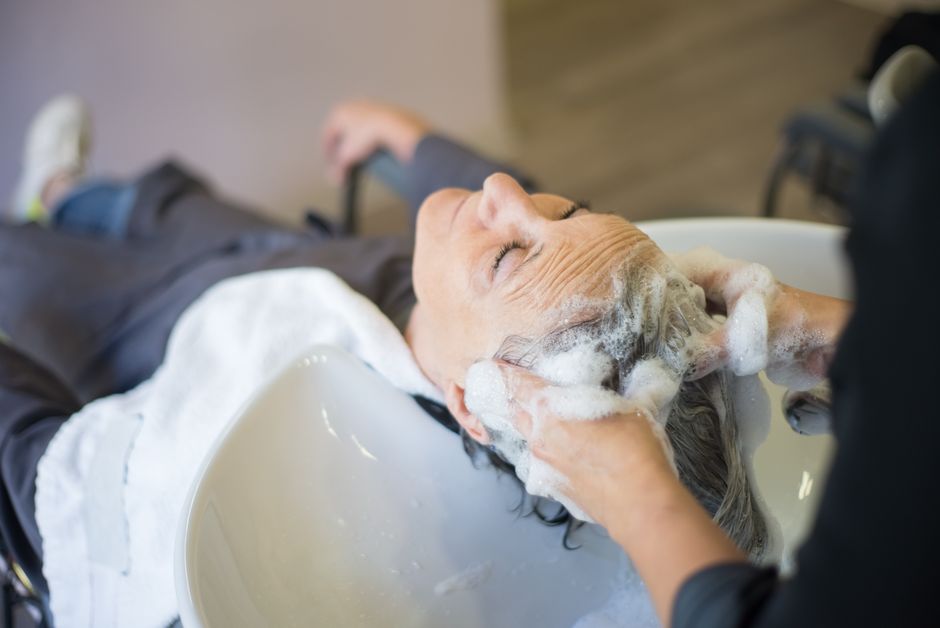
There is no single best shampoo for hair loss. The right choice depends on what is causing the loss, and most shampoos sold for thinning hair do not treat the underlying cause. A small number contain ingredients with real evidence behind them — but only for specific types of hair loss.
What’s the Best Shampoo for Hair Loss?
The honest answer: no shampoo is a stand-alone treatment for the most common form of hair loss. But a few ingredients have evidence for slowing shedding or supporting the scalp environment, and they work best as part of a broader plan.
Hair loss has several distinct causes. Androgenetic alopecia (male and female pattern hair loss) is driven by genetics and hormones. Telogen effluvium is a temporary shedding phase often triggered by illness, stress, surgery, or nutritional deficiency. Alopecia areata is an autoimmune condition. Traction alopecia comes from chronic pulling on the hair.
A shampoo cannot reverse pattern hair loss. It can, in some cases, reduce shedding, calm scalp inflammation, or deliver a topical active ingredient to the scalp. That is the realistic scope.
Which Shampoo Ingredients Actually Have Evidence?
A handful of ingredients have been studied specifically for hair loss — not just for making hair look thicker. The evidence varies widely in quality.
- Ketoconazole — an antifungal used in medicated shampoos. Some studies suggest it may help with pattern hair loss, possibly through anti-inflammatory effects on the scalp. It is commonly used alongside other treatments.
- Caffeine — some in vitro and small human studies suggest caffeine may counter the effects of DHT (dihydrotestosterone) on hair follicles. Whether shampoo delivers enough caffeine to the follicle is not well established.
- Minoxidil — available as a topical solution or foam, not typically as a shampoo. It is one of only a few treatments with strong evidence for pattern hair loss.
- Zinc pyrithione — an antifungal often used for dandruff. Some research suggests it may have mild benefits for shedding, though the evidence is limited.
- Biotin and other vitamins — added to many shampoos. Topical vitamins are not absorbed into the follicle in meaningful amounts, and biotin deficiency is rare in people eating a normal diet.
The gap between what is marketed and what is proven is wide. Many shampoos labeled “for thinning hair” contain no active ingredient with evidence for hair growth.
Does Shampoo Even Matter for Hair Loss?
Shampoo matters less than most people think. It cleans the scalp and hair shaft. It does not penetrate to the follicle in most cases, and hair loss usually originates at the follicle level.
That said, scalp health is not irrelevant. Conditions like seborrheic dermatitis (dandruff and scalp inflammation) can worsen shedding in some people. A shampoo that controls inflammation or fungus may indirectly help.
Shampoo also affects how hair looks. Volumizing formulas can make existing hair appear fuller by coating the shaft. This is cosmetic, not restorative. It does not change the number of hairs or the growth cycle.
The most important thing a shampoo can do is not damage hair. Harsh sulfates, frequent hot-water washing, and aggressive towel drying can increase breakage — which looks like hair loss but is not the same thing.



What Actually Treats Hair Loss?
If hair loss is significant or ongoing, shampoo is not the answer. Established treatments depend on the cause.
For androgenetic alopecia, two treatments have the strongest evidence: topical minoxidil and oral finasteride (for men). Both require ongoing use. Stopping them typically reverses the benefit. Some clinicians also recommend low-level laser therapy, though evidence is mixed.
For telogen effluvium, treatment means addressing the trigger — correcting a deficiency, recovering from illness, reducing stress. Hair usually regrows on its own within months once the trigger resolves.
For alopecia areata, treatment may involve corticosteroids, topical immunotherapy, or newer medications. A shampoo is not part of standard treatment.
For traction alopecia, the fix is stopping the hairstyle causing tension. Early intervention matters because prolonged traction can cause permanent follicle damage.
The pattern here: hair loss treatment is cause-specific. A shampoo is at best a supporting player, not the main event.
How to Choose a Shampoo If You Have Thinning Hair
If you want a shampoo that supports scalp health without making claims it cannot keep, focus on a few practical factors.
- Look for a gentle, sulfate-free formula if your scalp is sensitive or dry.
- Consider a ketoconazole shampoo if you have dandruff or scalp inflammation — and talk to a doctor about whether it fits your situation.
- Avoid shampoos that promise regrowth. No shampoo is approved to regrow hair.
- Wash less often if your scalp is not oily. Over-washing can strip natural oils and irritate the scalp.
- Do not rely on biotin or vitamin shampoos. They are not a substitute for treating a real deficiency, and topical vitamins are not well absorbed.
If you are considering a medicated shampoo, it is worth checking with a doctor or pharmacist first — especially if you are pregnant, breastfeeding, or using other scalp treatments.
When to See a Doctor About Hair Loss
See a doctor if hair loss is sudden, patchy, accompanied by scalp pain or itching, or happening alongside fatigue, weight change, or other symptoms. These can point to thyroid issues, autoimmune conditions, or nutritional deficiencies that need medical treatment.
Also see a doctor if you have tried a shampoo or over-the-counter product for several months with no change. Pattern hair loss tends to progress, and earlier treatment generally works better than later treatment.
A dermatologist can usually identify the type of hair loss by examining the scalp and, in some cases, taking a small scalp biopsy. Getting the right diagnosis is the step that makes everything else make sense.
What About Natural or Herbal Shampoos?
Many natural shampoos contain ingredients like rosemary, peppermint, saw palmetto, or tea tree oil. Some of these have early or limited research suggesting possible effects on hair growth.
Rosemary oil has been studied in at least one small trial comparing it to minoxidil, with results suggesting similar hair growth over several months. The study was small, and larger trials have not confirmed the finding. It is interesting but not established.
Peppermint oil and saw palmetto have some preliminary research, mostly in animals or small human studies. Tea tree oil has evidence for treating dandruff, not hair loss itself.
The problem with natural shampoos is not that the ingredients are useless. It is that shampoo is a poor delivery system for most of them. Contact time is short, concentration is low, and absorption into the follicle is limited.
If you want to try a natural option, treat it as a complement to proven treatment, not a replacement. And be cautious with essential oils — some can irritate the scalp or cause allergic reactions, especially undiluted.
Frequently Asked Questions
Can shampoo really regrow hair?
No shampoo is approved to regrow hair. Some medicated shampoos may help slow shedding or support scalp health, but regrowth typically requires treatments like minoxidil or finasteride.
What is the best shampoo for thinning hair?
There is no single best option, but ketoconazole shampoos have the most evidence for supporting scalp health in pattern hair loss. A gentle, sulfate-free formula is a reasonable choice for most people with sensitive scalps.
How long before I see results from a hair loss shampoo?
Hair grows slowly, so any effect on shedding or thickness would take several months to notice. If you see no change after a few months, talk to a doctor about other causes.
Is biotin shampoo effective for hair loss?
There is no strong evidence that topical biotin in shampoo affects hair growth. Biotin deficiency is rare in people eating a normal diet, and oral supplements only help if a deficiency is present.
