
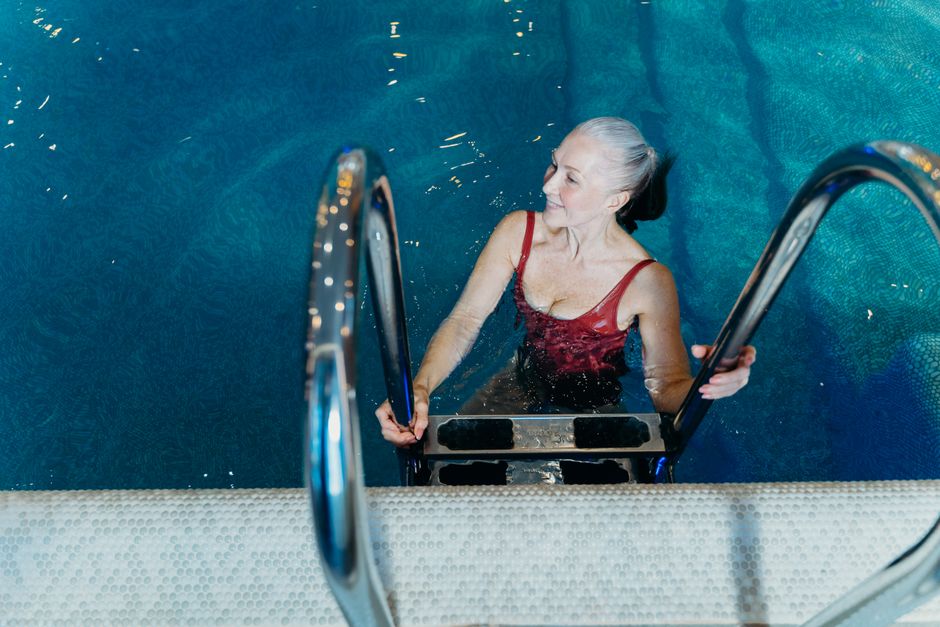
If you have brown hair and have ever spent a summer swimming in a pool, you might have noticed your hair looking a little lighter. It is a common observation that has led to the belief that chlorine can turn brown hair blonde. The direct answer is no. Chlorine does not bleach or lighten hair the way peroxide or sunlight does. What actually happens is more complicated and usually involves a mix of copper, pool chemicals, and damage to the hair shaft. The lighter look you see is often a sign of chemical stress and buildup, not a natural blonde transformation.
Does Chlorine Actually Lighten Brown Hair or Just Damage It?
Chlorine itself is not a bleaching agent. It does not break down melanin, which is the pigment that gives your hair its color. When brown hair appears lighter after swimming, it is usually because of something else. Most pools use chlorine to kill bacteria, but they also contain other chemicals and metals. Copper is a common additive used to control algae. When copper binds to the protein in your hair, it can create a greenish tint. For people with lighter brown or blonde hair, this can look like a dull, brassy, or even slightly lighter shade. For darker brown hair, it can look like a dry, brittle, and faded version of the original color. The hair is not turning blonde. It is being coated and damaged.
Research shows that chlorine strips the natural oils from your hair. This leaves the cuticle—the outer layer—rough and raised. When the cuticle is damaged, hair loses moisture and becomes more porous. This makes it easier for minerals and chemicals to get inside the hair shaft. The result is a change in how light reflects off your hair, which can make it look lighter or duller. The change is not a chemical lightening of pigment. It is a physical change to the hair’s surface and structure.
What Actually Causes Hair to Lighten in a Pool?
The real culprit for lightening is often a combination of chlorine and sunlight. Ultraviolet (UV) rays from the sun are a known bleaching agent. They break down melanin over time. When you are in a pool, your wet hair is more vulnerable to UV damage. Water can magnify the sun’s rays, and chlorine can make the hair cuticle more open. This allows UV light to penetrate deeper and cause more pigment breakdown. So the lightening you see is mostly from the sun, with chlorine making it worse by stripping protective oils and opening the cuticle.
Some studies suggest that oxidized chlorine compounds can have a mild bleaching effect, but it is very weak compared to sunlight or hydrogen peroxide. The idea that chlorine turns brown hair blonde is a myth that has been repeated for decades. The reality is that the hair is being damaged, dried out, and coated with minerals. If you stop swimming and use proper hair care, the lighter look often fades because it was never a true color change. It was a temporary optical effect from mineral buildup and damaged cuticles.
What Is the Green Tint People Get From Chlorine?
Many people think chlorine turns hair green. That is also a myth. Chlorine is clear. The green color comes from copper. Copper is added to pool water to control algae. When copper oxidizes, it can bind to the protein in your hair. This creates a greenish tint that is more visible on lighter hair. On brown hair, the green is usually not obvious, but it can make hair look dull, ashy, or slightly muddy. This is not a sign of your hair turning blonde. It is a sign of metal buildup.
There is no clinical evidence that chlorine itself dyes hair any color. The green or brassy tones are from copper and other metals. This is why swimmers often use shampoos designed to remove metal buildup. These chelating shampoos contain ingredients that bind to metals and wash them out. If you see a green tint after swimming, you are not turning into a blonde. You have copper in your hair. A simple treatment with a clarifying shampoo or a rinse with apple cider vinegar can help remove it.




How Does Chlorine Damage Brown Hair Specifically?
Brown hair is not immune to damage from chlorine. In fact, it can show damage in ways that are less obvious than on light hair. Chlorine strips the natural sebum from your hair. This causes dryness, frizz, and breakage. For brown hair, this can make the color look flat and lifeless. The hair may also feel rough and tangly. Over time, repeated exposure can weaken the hair shaft, leading to split ends and thinning. Brown hair that has been damaged by chlorine often looks duller than it used to, not lighter.
Some people with brown hair report that their hair looks warmer or redder after swimming. This is because the chlorine and copper can affect the way light is absorbed and reflected by the hair. The hair is not changing color. The surface is damaged and uneven, which changes the appearance. If you have dyed brown hair, chlorine can be even more damaging. It can strip color from dye molecules, causing fading or uneven tones. This is especially true for semi-permanent or demi-permanent dyes. The dye molecules are more vulnerable to being washed out by chlorinated water.
What Can You Do to Protect Brown Hair From Chlorine?
The best way to protect your hair is to wet it with clean, non-chlorinated water before you get in the pool. Hair that is already saturated with clean water will absorb less pool water. You can also apply a leave-in conditioner or a light oil like coconut oil to create a barrier. This helps seal the cuticle and reduce mineral absorption. Wearing a swim cap is the most effective method, but it is not always practical or comfortable. Rinsing your hair immediately after swimming is critical. Do not let the chlorine dry on your hair.
Using a clarifying shampoo once a week can help remove mineral buildup. Look for shampoos that contain chelating agents like EDTA or sodium citrate. These ingredients bind to metals and wash them out. A deep conditioning treatment after swimming helps restore moisture and repair the cuticle. As of 2026, current research suggests that the most effective prevention is a combination of pre-wetting, protective products, and immediate post-swim rinsing. There is no evidence that any special shampoo can completely prevent damage, but these steps can reduce it significantly.
Comparison: Chlorine vs. Sunlight vs. Bleach on Brown Hair
| Agent | Effect on Brown Hair | Mechanism |
|---|---|---|
| Chlorine | Dullness, dryness, mineral buildup, possible green tint from copper | Strips oils, opens cuticle, allows metal binding |
| Sunlight (UV) | Gradual lightening, fading, dryness | Breaks down melanin directly |
| Hydrogen Peroxide (Bleach) | Permanent lightening, significant pigment removal | Oxidizes and destroys melanin molecules |
This table shows that chlorine and sunlight work in different ways. Chlorine does not lighten pigment. Sunlight does, but slowly. Bleach is the only agent that reliably turns brown hair blonde, and it requires a chemical process. The pool myth comes from people seeing a lighter appearance and assuming it is the same as bleaching. It is not.
What Are Common Misconceptions About Chlorine and Hair Color?
One of the most common misconceptions is that chlorine contains bleach. It does not. Chlorine is a disinfectant. Bleach is a different chemical. Another myth is that swimming pools have enough chlorine to lighten hair over time. There is no evidence for this. The lightening effect is almost entirely from UV exposure. People also believe that if their hair turns lighter in a pool, it means the chlorine is working like a salon treatment. This is false. The hair is being damaged, not improved.
Some people claim that lemon juice or vinegar can make chlorine lighten hair faster. This is dangerous advice. Lemon juice can make hair more porous and increase damage from UV light. It does not make chlorine work better. It just makes the damage worse. The safest way to deal with pool-related hair changes is to focus on removal of buildup and restoration of moisture, not trying to achieve a color change. If you want your brown hair to look blonde, go to a professional. Do not rely on a swimming pool.
Frequently Asked Questions
Can chlorine turn brown hair blonde permanently?
No. Chlorine does not permanently lighten hair. Any lighter appearance is usually from mineral buildup or UV damage, which can fade with proper care.
Why does my brown hair look lighter after swimming?
It is likely from a combination of UV rays from the sun and mineral deposits from the pool water, not from chlorine itself.
Is the green tint in hair from chlorine or copper?
It is from copper, not chlorine. Copper binds to hair protein and creates a greenish tint that is more visible on lighter hair.
How can I remove chlorine damage from my brown hair?
Use a clarifying or chelating shampoo to remove minerals, followed by a deep conditioner to restore moisture and repair the cuticle.
