
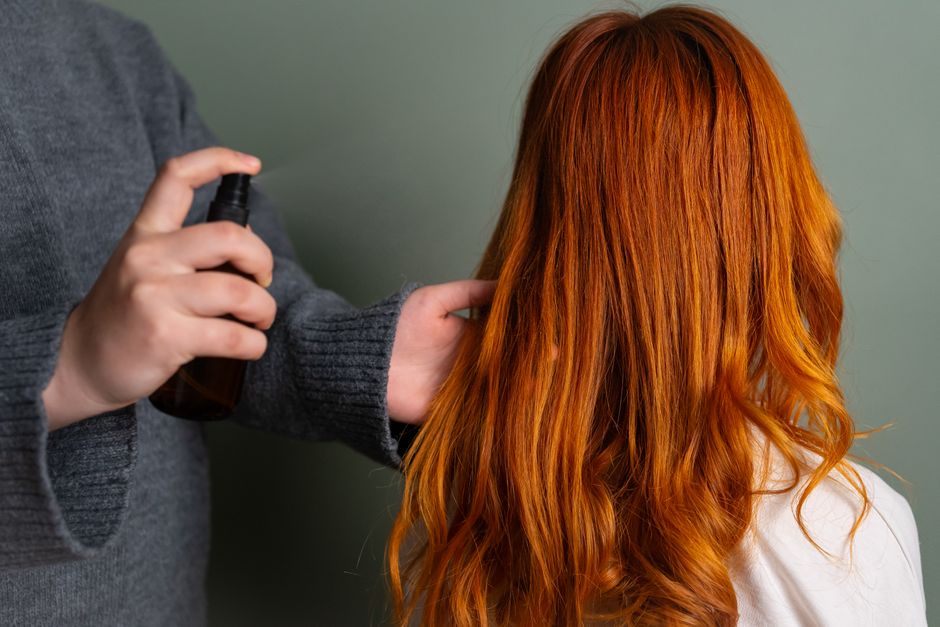
Removing hair color without damage is possible, but it depends entirely on how the color was applied and what kind of dye you used. The safest method is a color remover that shrinks dye molecules so they rinse out, rather than bleach that strips your hair’s natural pigment. For semi-permanent or demi-permanent color, a gentle color remover or even a clarifying shampoo can work. For permanent dye, a color remover is still the first-line option, but you should expect some dryness and plan for deep conditioning afterward.
What Is the Difference Between Color Remover and Bleach?
Many people confuse color removers with bleach. They work in completely different ways.
Bleach uses chemicals to break down the melanin in your hair shaft. This lightens your natural hair color. It also damages the hair’s protein structure in the process. Bleach is aggressive and can leave hair brittle, especially if used repeatedly.
Color removers work by shrinking the artificial dye molecules inside the hair shaft. The molecules become small enough to wash out with water and shampoo. Color removers do not target your natural melanin. That is why they are generally less damaging than bleach.
However, color removers are not completely harmless. They still open the cuticle and can leave hair dry. The key difference is that they preserve your natural pigment, so your hair does not suddenly turn orange or yellow the way it can with bleach.
How To Strip Color From Hair Without Damage: The Safest Steps
Start with the gentlest approach first. If your color is semi-permanent, it will fade on its own with washes. If you need faster results, use a clarifying shampoo for a week before moving to stronger options.
For demi-permanent or permanent color, a commercial color remover is the standard first step. These products contain reducing agents that break the chemical bonds of the dye. Follow the instructions exactly. Leaving the product on longer than directed does not remove more color. It only increases damage.
After rinsing, your hair will often look darker or brassy. This is normal. The color remover reveals your underlying pigment, which may be uneven. You may need a second application, but wait at least 24 hours. Doing two applications back-to-back increases stress on the hair.
Deep condition immediately after the process. Use a protein treatment followed by a moisture mask. Your hair’s cuticle is open and vulnerable. Give it a week of gentle care before doing anything else to it.
Which Type of Hair Color Removes Most Easily?
Not all hair color is equal. The removal difficulty depends on the type of dye used.
Semi-permanent color does not penetrate the hair shaft deeply. It coats the outside of the hair. This type washes out within 4 to 12 shampoos on its own. A clarifying shampoo speeds this up. No chemical remover is needed.
Demi-permanent color penetrates slightly deeper. It uses a low-volume developer to open the cuticle. It fades over 6 to 24 washes. A color remover can speed this up safely.
Permanent color requires a chemical reaction to enter the hair cortex. It does not wash out on its own. Color removers can break down the artificial molecules, but the process is harder. You may need multiple treatments spaced out over days or weeks.
Henna and vegetable-based dyes are a separate category. These coat the hair and can be very difficult to remove. Standard color removers often do not work on henna. Professional help is usually required.





Why Does Hair Turn Orange or Brassy After Stripping?
When you remove artificial color, you reveal what is underneath. That is your natural pigment. If your natural base is light or medium brown, the underlying warmth will show as orange, red, or gold tones.
This is not damage. It is the natural color of your hair. The brassiness appears because the color remover only removes the artificial dye. It does not lift or lighten your natural melanin.
If your goal is to go back to your natural color, this brassiness will fade over a few weeks. If you want to change the tone, you need a toner or a new color application. Do not use bleach to fix brassiness. That will cause unnecessary damage.
Are Home Color Removers Safe?
Home color removers are safe when used correctly. They have been sold for decades and follow a standard chemical formula. The main risks come from misuse, not the product itself.
Follow the package instructions precisely. Do not leave the product on longer than directed. Do not use it on hair that has been bleached within the past two weeks. Do not use it on hair that is already damaged or breaking.
Patch test before use. Apply a small amount behind your ear 48 hours before the full application. This checks for allergic reactions. This is important for any chemical hair product.
One common mistake is using a color remover on hair that has been colored multiple times. Each layer of dye needs to be broken down. The product may not remove all layers in one session. Repeating the process every few days is safer than one long application.
What Are the Alternatives to Chemical Color Removers?
Several home remedies circulate online. Most of them do not work, and some can cause harm.
Vitamin C and clarifying shampoo is a popular DIY method. Crushed vitamin C tablets mixed with shampoo can fade semi-permanent color. It works mildly by exfoliating the cuticle. It does not work on permanent dye. It can be drying.
Baking soda paste is sometimes recommended. It is abrasive and can scratch the cuticle. It may fade color slightly, but the damage to the hair’s surface is not worth it. Avoid this method.
Dish soap strips natural oils and color, but it also strips moisture. It can leave hair rough and tangled. It is not a controlled method for color removal.
None of these alternatives are as effective or as safe as a commercial color remover. If you want predictable results, use the product designed for the job.
How Long Should You Wait Before Recoloring?
Wait at least one week after stripping color before applying new dye. This gives your hair’s cuticle time to close and your scalp time to recover.
If your hair feels mushy, stretchy, or overly soft, wait longer. These are signs of protein damage. Recoloring too soon can cause breakage.
Use this waiting period to condition deeply. Apply a protein treatment once, then follow with moisturizing masks every few days. Healthy hair takes color better and holds it longer.
When you do recolor, choose a shade close to your natural color. This requires less developer and less processing time. The less chemical exposure, the better.
When Should You See a Professional?
See a professional if your hair is severely damaged, if you have used bleach recently, or if you have applied multiple layers of permanent color. A stylist can assess your hair’s condition and choose the safest removal method.
Professionals also have access to salon-grade color removers that are more effective than drugstore options. They can apply bond builders during and after the process to reduce damage.
If your hair is already breaking, shedding, or feels gummy when wet, stop all chemical processes. Focus on repairing the hair first. No color is worth losing your hair’s integrity.
Frequently Asked Questions
Can I strip permanent hair color at home?
Yes, home color removers can break down permanent dye molecules. Follow the instructions exactly and deep condition afterward.
Will a color remover lighten my natural hair?
No, color removers only target artificial dye molecules. Your natural melanin remains unchanged, so your hair will not lighten.
How many times can I use a color remover?
You can repeat the process after 24 to 48 hours if needed. Do not do more than two applications in one week to limit damage.
Is vitamin C effective for removing hair color?
Vitamin C mixed with clarifying shampoo can fade semi-permanent color slightly. It does not remove permanent dye and can be drying.
