
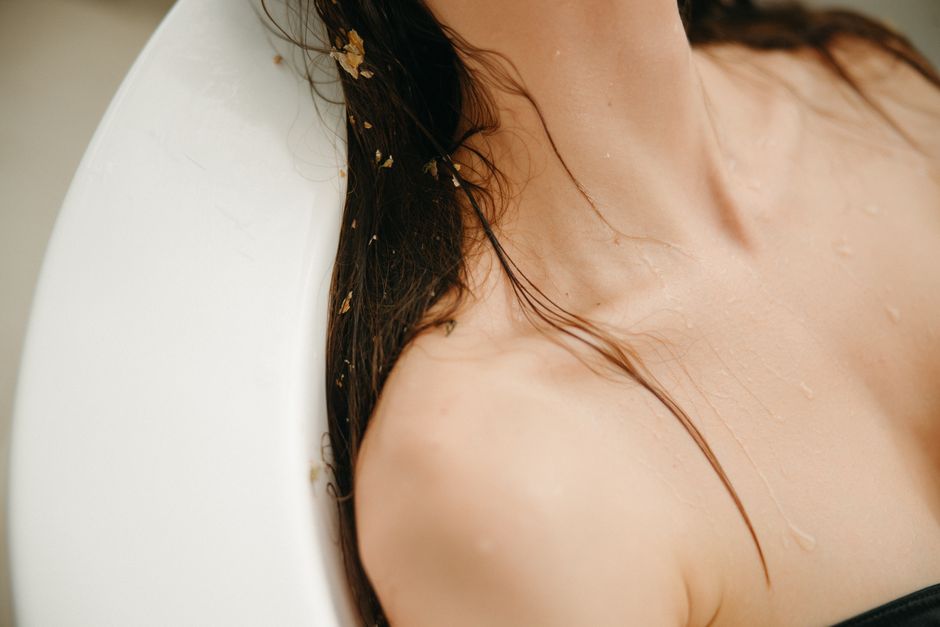
Yes, dipping your hair in boiling water damages it. The heat from boiling water (212°F or 100°C) destroys the protein structure that makes up your hair. This damage is immediate and irreversible. Boiling water also poses a serious risk of scalding your scalp and skin. There is no safe or beneficial reason to expose your hair or scalp to water at boiling temperature.
Does Dipping Your Hair In Boiling Water Damage It?
The answer is a clear yes. Boiling water is far hotter than any temperature your hair or skin can safely handle. Your hair is made of a protein called keratin. When keratin is heated to extreme temperatures, it denatures — meaning its structure unravels and changes shape. This process is what happens when you cook an egg white. Once denatured, the protein cannot return to its original form.
Dipping hair in boiling water causes the hair shaft to weaken, become brittle, and break easily. The outer layer of the hair, called the cuticle, can lift or crack. The inner cortex, which gives hair its strength and elasticity, also gets damaged. The result is dry, frizzy, dull hair that is prone to splitting and snapping. No amount of conditioning can reverse this type of structural breakdown.
What Happens to Hair When Exposed to Boiling Water?
Hair is a complex structure made of long chains of amino acids linked together by chemical bonds. Heat provides energy that can break these bonds. In boiling water, the disulfide bonds that hold the hair’s shape begin to break. This is why boiling water can alter the texture of hair, sometimes making it straighter or more fragile.
Water itself can also damage hair at high temperatures. Hot water swells the hair shaft, and when combined with the force of submersion, can cause the cuticle layers to separate. Over time — or instantly with boiling water — this leads to permanent porosity. The hair loses its ability to hold moisture, and it becomes rough and tangled.
The scalp is even more vulnerable. Human skin begins to burn at about 118°F (48°C). Boiling water is nearly twice that temperature. Contact with boiling water can cause first-degree or second-degree burns within seconds. Even a quick dip can result in redness, blistering, and pain.
Can Boiling Water Burn Your Scalp?
Yes, and this is the most immediate danger. Scalp burns from boiling water can be serious. The skin on your head is not significantly tougher than skin on other parts of your body. A splash of boiling water can cause a partial-thickness burn that requires medical attention. Scarring and permanent hair loss can occur if hair follicles are destroyed by the heat.
Even if you only dip the ends of your hair and keep your scalp away, the risk of accidental splashing or scalding is high. No controlled method exists for safely dipping hair in boiling water at home. The potential for injury far outweighs any imagined benefit.



Are There Any Benefits to Using Boiling Water on Hair?
No clinical evidence supports any benefit of putting hair in boiling water. Some people suggest that hot water opens cuticles to allow deeper cleaning or better product absorption. However, water hot enough to do this is usually around 100–110°F (38–43°C) — not boiling. Boiling water overshoots this range by a wide margin and causes destruction rather than opening.
A few viral social media posts claim boiling water can remove hair dye or help with dandruff. These claims are not backed by any reputable research. Boiling water may strip some artificial color from hair, but it will severely damage the hair in the process. For dandruff, hot water can worsen scalp irritation and inflammation. Standard dandruff treatments using medicated shampoos and lukewarm water are safer and more effective.
There is also a misconception that boiling water can stimulate hair growth by increasing blood flow. Heat does dilate blood vessels, but the skin will burn before any benefit occurs. Damaging the scalp does not promote growth — it can stop it permanently if follicles are injured.
What Temperature Is Safe for Washing Hair?
Lukewarm to warm water is best for washing your hair. A temperature range of 98–104°F (37–40°C) is comfortable and effective. This is roughly body temperature to slightly warmer. Water that feels hot on your wrist or elbow is probably too hot.
Hot water strips the scalp and hair of natural oils. Over time, this leads to dryness and irritation. Warm water cleans well without causing this damage. A cool rinse at the end can help smooth the cuticle and add shine, but cool water is not necessary for healthy hair. The main goal is to avoid water hot enough to harm your hair or scalp.
How to Treat Heat-Damaged Hair
If you have already damaged your hair with high heat — from boiling water, blow dryers, or flat irons — the damage cannot be fully reversed. However, you can improve the appearance and prevent further harm.
- Use a gentle sulfate-free shampoo to avoid stripping additional moisture.
- Condition after every wash with a moisturizing conditioner. Look for ingredients like ceramides, glycerin, or natural oils.
- Apply a leave-in conditioner or hair mask weekly to add temporary softness and reduce breakage.
- Avoid further heat exposure. Do not use blow dryers, curling irons, or hot styling tools.
- Get a trim to remove the most damaged ends. Hair does not repair itself; the only way to remove damaged hair is to cut it off.
No product can rebuild broken protein bonds once they are permanently damaged. The best approach is prevention — keep your hair away from boiling water and excessive heat.
Frequently Asked Questions
Is it safe to dip hair in boiling water for dandruff?
No. Boiling water can burn your scalp and will not treat dandruff. Use a medicated dandruff shampoo and lukewarm water instead.
Does boiling water make hair grow faster?
No. Heat does not speed up hair growth. Boiling water can damage the scalp and actually slow growth if follicles are burned.
Can boiling water remove hair dye?
Boiling water may strip some semi‑permanent dye, but it severely damages the hair in the process. Use a color remover designed for hair instead.
What temperature water should I use for washing hair?
Use lukewarm to warm water between 98–104°F (37–40°C). Water that feels uncomfortably hot on your skin is too hot for your hair.
