
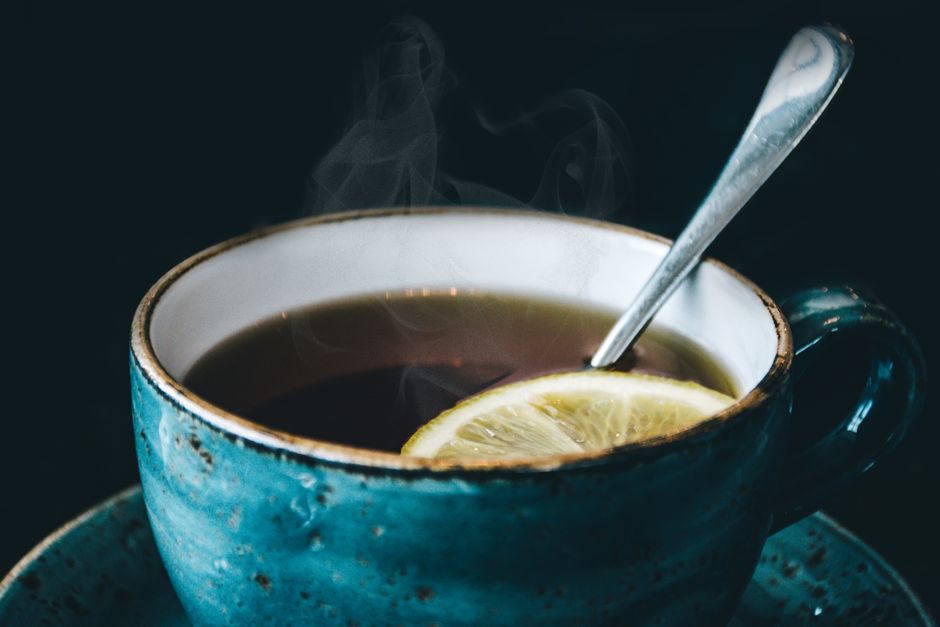
Yes, caffeine has a distinct taste. It is bitter. This bitterness is a core part of what makes coffee, tea, and dark chocolate taste the way they do. But the story does not end there. Caffeine also interacts with your other taste receptors in ways that change how you perceive sweetness, sourness, and even the “mouthfeel” of a drink. Understanding this helps explain why a decaf coffee never tastes quite right and why some people love the bite of a strong espresso.
What Does Caffeine Actually Taste Like?
Caffeine itself is a white, crystalline powder. If you tasted it alone, you would get a sharp, lingering bitterness. Research published in the journal Chemical Senses has confirmed that caffeine activates specific bitter taste receptors on your tongue, known as TAS2Rs. But bitterness is only part of the picture. At higher concentrations, caffeine also creates a slight astringency. This is the dry, puckering feeling you get from strong black tea or over-steeped coffee. It is not a flavor in the strict sense, but a tactile sensation. So when you drink a cup of coffee, you are tasting bitterness, feeling astringency, and sensing a certain “body” or weight on your tongue. All of this comes back to the caffeine content.
Does Caffeine Affect the Flavor of Coffee and Tea?
Absolutely. In coffee, caffeine makes up about 1-2% of the bean’s dry weight. That small amount has a big impact. Roasters know that darker roasts actually contain slightly less caffeine than lighter roasts because the roasting process breaks down some of the caffeine molecules. But the bitterness from dark roasts comes more from the roasting process itself, not the caffeine. The real flavor story is in the balance. Caffeine bitterness offsets the natural acidity and sweetness in coffee. Without it, a cup tastes flat. This is why many people describe decaf coffee as “watery” or “one-dimensional.” The bitterness is missing, and the other flavors have nothing to push against. The same happens with tea. Decaffeinated tea often tastes less crisp and more vegetal because the bitterness that gives black tea its structure is gone.
Does Caffeine Have a Taste in Soft Drinks and Energy Drinks?
Yes, and this is where the science gets interesting. In soft drinks like cola, caffeine is added specifically for its bitter taste. The original Coca-Cola formula included caffeine from kola nuts, and the bitterness was part of the intended flavor profile. Modern colas still add caffeine for that same reason. Energy drinks take this further. They often contain high levels of caffeine, and manufacturers mask the intense bitterness with massive amounts of sugar or artificial sweeteners. A typical 16-ounce energy drink can have 150 to 200 milligrams of caffeine. Without the sweeteners, that drink would be nearly undrinkable due to the bitterness. Some studies suggest that the caffeine in these drinks also enhances the perception of sweetness. Your brain registers the bitter caffeine and the sweet sugar together, and the contrast makes the sweetness seem more intense.
| Beverage | Caffeine per 8 oz | How Bitterness Is Managed |
|---|---|---|
| Drip coffee | 95 mg | Balanced by acidity and natural oils |
| Black tea | 47 mg | Masked by tannins and floral notes |
| Cola | 22 mg | Paired with sugar and phosphoric acid |
| Energy drink | 80 mg | Overwhelmed by high sugar or sweeteners |
| Dark chocolate | 12 mg | Blended with cocoa butter and sugar |




Can You Taste Caffeine in Decaf Coffee?
The short answer is yes, but it is much less noticeable. Decaf coffee still contains trace amounts of caffeine. The FDA allows coffee labeled “decaffeinated” to have up to 3 percent of its original caffeine content. For a typical cup, that means about 2 to 5 milligrams. At that level, the bitterness is barely detectable. The bigger issue is what happens to the other flavor compounds during decaffeination. The two main methods, using methylene chloride or ethyl acetate, also strip away some of the oils and aromatic compounds that give coffee its flavor. The Swiss Water Process, which is chemical-free, does a better job preserving flavor, but it still removes some of the soluble solids that contribute to body and taste. So when you drink decaf, you are not just missing caffeine bitterness. You are missing a whole range of flavors that were removed along with the caffeine.
Does Your Genetics Change How You Taste Caffeine?
Yes, and this is a non-obvious fact that most people do not know. Your ability to taste bitterness, including caffeine bitterness, is influenced by your genes. The TAS2R38 gene controls a receptor that detects certain bitter compounds. About 25 percent of the population are “super-tasters.” They have a version of this gene that makes them extremely sensitive to bitterness. For them, black coffee or strong tea can taste overwhelmingly bitter. Another 25 percent are “non-tasters.” They barely notice the bitterness at all. The remaining 50 percent fall somewhere in between. This genetic difference explains why two people can drink the same cup of coffee and have completely different experiences. One person calls it smooth. The other calls it undrinkable. Your genetics also affect how quickly your body metabolizes caffeine, which influences how long the taste lingers in your mouth.
- Super-tasters: Find caffeine intensely bitter. Often dislike black coffee and dark chocolate.
- Average tasters: Detect bitterness but find it balanced with other flavors.
- Non-tasters: Barely register caffeine bitterness. Can drink espresso straight without flinching.
What Common Myths Exist About Caffeine Taste?
One widespread myth is that caffeine is odorless and tasteless. That is false. Caffeine has a distinct bitter taste that your tongue detects immediately. Another myth is that the bitterness of coffee comes entirely from roasting. Roasting does create bitter compounds called melanoidins, but the caffeine itself is a significant contributor. A third myth is that adding milk or cream neutralizes the caffeine taste. Dairy fats do coat your tongue and reduce the perception of bitterness, but they do not chemically alter the caffeine molecules. You are still tasting the caffeine, just less intensely. Some people also believe that darker roasted coffee has more caffeine and therefore tastes more bitter. As mentioned earlier, dark roasts actually have slightly less caffeine. The bitterness comes from the roast, not the bean. Finally, there is a myth that energy drinks do not taste like caffeine because the bitterness is “hidden.” It is not hidden. It is simply overwhelmed by sugar and citric acid. Your taste buds still register the bitterness, but your brain prioritizes the stronger sweet and sour signals.
Frequently Asked Questions
Does caffeine have a taste on its own?
Yes, pure caffeine is a white powder that tastes intensely bitter. It activates specific bitter taste receptors on your tongue.
Why does decaf coffee taste different from regular coffee?
Decaf coffee has less caffeine bitterness, but it also loses some aromatic oils and flavor compounds during the decaffeination process. This makes it taste flatter.
Can you train yourself to like the taste of caffeine?
Yes, repeated exposure can reduce your sensitivity to bitterness over time. Your brain also learns to associate the bitter taste with the alertness that follows.
Is the bitterness in chocolate from caffeine?
Only a small part. Dark chocolate contains caffeine, but most of its bitterness comes from theobromine and the cocoa solids themselves.
