
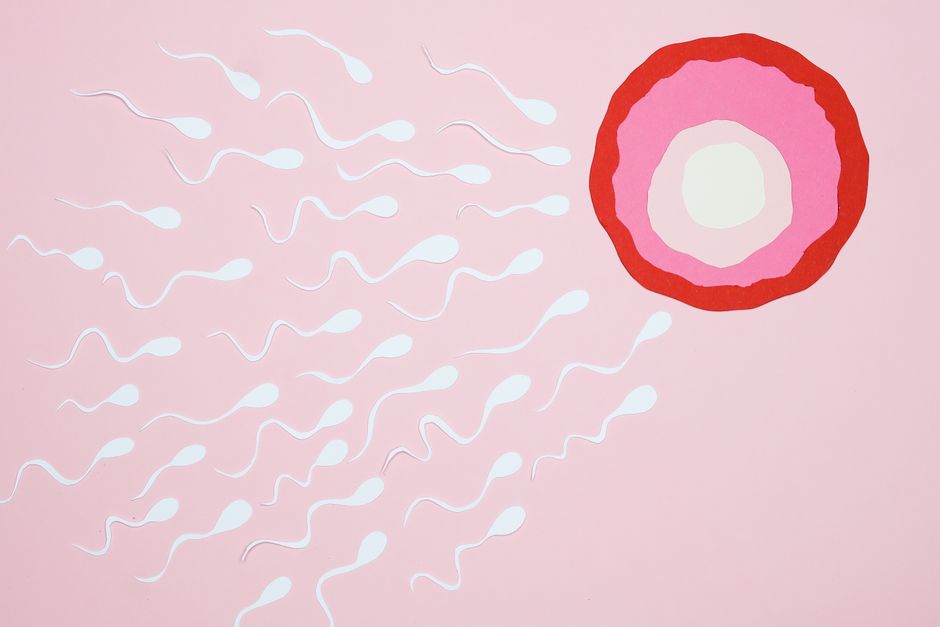
Many women notice digestive changes around the time they ovulate, and diarrhea is one of the symptoms sometimes reported. The short answer is yes, ovulation can cause diarrhea for some women, though it is not a universal symptom. The hormonal shifts that trigger the release of an egg can also affect your digestive tract, leading to loose stools or a sudden urge to use the bathroom.
What Happens in Your Body During Ovulation
Ovulation is the release of an egg from one of your ovaries. It typically happens once per menstrual cycle, usually around day 14 of a 28-day cycle, though normal cycles vary from 21 to 35 days. The process is driven by a surge of luteinizing hormone (LH), which triggers the ovary to release the mature egg.
Around the same time, estrogen levels rise sharply and then drop quickly after the egg is released. Progesterone begins to climb after ovulation and stays elevated until your next period starts. These hormones do more than regulate reproduction — they also influence your digestive system.
The digestive tract is lined with hormone receptors. Estrogen and progesterone both bind to these receptors and can change how quickly food moves through your intestines. When hormone levels shift rapidly, as they do around ovulation, the gut can respond in ways you notice.
Can Ovulation Cause Diarrhea? What Is Truth?
Yes, ovulation can cause diarrhea in some women. The link is hormonal, and it is a recognized symptom in medical literature, though it affects a minority of people. The rapid drop in estrogen right after ovulation is the most likely trigger, as estrogen influences bowel motility.
Higher estrogen levels tend to slow digestion. When estrogen falls suddenly, the gut can speed up. Faster transit time means less water is absorbed from your stool, which results in loose or watery bowel movements. Some women also experience abdominal cramping during ovulation, which can accompany diarrhea or be mistaken for it.
Not every woman who ovulates will have diarrhea. Digestive symptoms around ovulation are more common in women with sensitive digestive systems or those who already live with conditions like irritable bowel syndrome (IBS). If you do not normally have digestive issues, ovulation-related diarrhea may be mild and brief.
How Common Are Digestive Symptoms Around Ovulation?
Digestive changes during the menstrual cycle are common, but diarrhea specifically during ovulation is less frequently reported than symptoms like bloating or constipation before a period. Some research suggests that gut symptoms vary across the menstrual cycle, with the most significant changes happening around menstruation itself.
One study published in the journal Gastroenterology found that women with IBS report more severe symptoms during menstruation. The same research noted that some women experience changes in bowel habits around ovulation, but the effect was smaller compared to the premenstrual and menstrual phases.
For women without IBS, ovulation-related diarrhea is typically a minor and temporary issue. It usually lasts no more than a day or two and resolves on its own. The key is whether the diarrhea follows a clear pattern each cycle, appearing around the same time you expect ovulation.




Other Causes of Diarrhea That Overlap With Ovulation
Just because you have diarrhea mid-cycle does not automatically mean ovulation caused it. Several other conditions can produce digestive symptoms at the same time in your cycle, and it is worth considering them before assuming a hormonal cause.
Food poisoning and viral gastroenteritis are the most common causes of sudden diarrhea in adults. These infections do not follow a monthly pattern, so if your diarrhea happens every cycle at the same time, an infection is less likely. If it happens only once, an infection may be the culprit.
Premenstrual syndrome (PMS) can also cause diarrhea, but it typically appears closer to your period, not at mid-cycle. Some women experience constipation before their period and diarrhea as their period starts. This timing is different from ovulation, which happens roughly two weeks before your next period.
Endometriosis can cause digestive symptoms, including diarrhea, especially around ovulation and menstruation. If you have pelvic pain, painful periods, or pain during sex alongside your digestive symptoms, endometriosis may be worth discussing with your doctor.
How to Tell If Your Diarrhea Is Linked to Ovulation
Tracking your symptoms is the most reliable way to identify whether your diarrhea is tied to ovulation. Keep a daily diary that records your bowel movements, any abdominal pain, and your menstrual cycle dates. After a few months, patterns become visible.
You can also track ovulation directly using methods that do not rely on guessing. Basal body temperature rises slightly after ovulation. Ovulation predictor kits detect the LH surge that happens 24 to 36 hours before the egg is released. If your diarrhea consistently appears within a day or two of a positive ovulation test, the hormonal link becomes more certain.
Pay attention to the consistency of your symptoms. Ovulation-related diarrhea is typically short-lived, lasting one to two days. It should not be accompanied by fever, blood in the stool, or severe dehydration. Those signs point to a different cause.
What You Can Do About Ovulation-Related Diarrhea
If ovulation-related diarrhea is mild and brief, you may not need to do anything. Staying hydrated is important whenever you have loose stools, since diarrhea causes fluid loss. Water, clear broths, and oral rehydration solutions are good choices. Avoid sugary drinks and caffeine, which can make diarrhea worse.
Eating bland foods for a day or two can help settle your digestive tract. The BRAT diet — bananas, rice, applesauce, and toast — is a common approach for short-term diarrhea. These foods are low in fiber and easy to digest, giving your gut a chance to recover.
Some women find that adjusting their fiber intake around ovulation helps. Soluble fiber, found in oats, bananas, and psyllium husk, can absorb excess water in the intestines and firm up stool. Insoluble fiber, found in raw vegetables and whole grains, can speed up digestion further, so it may be worth reducing temporarily.
No medication is specifically approved for ovulation-related diarrhea. Over-the-counter anti-diarrheal medications like loperamide (Imodium) can be used for short-term relief, but they are not intended for regular use every cycle. If you find yourself needing them monthly, that is a reason to discuss the issue with a doctor.
When to Talk to a Doctor
Occasional diarrhea around ovulation that resolves within a day or two is generally not a cause for concern. However, certain signs warrant medical attention. Diarrhea that lasts more than a few days, is accompanied by fever, or contains blood or mucus should be evaluated by a healthcare provider.
If your symptoms are severe enough to interfere with your daily life each month, or if you are losing weight unintentionally, seek medical advice. Chronic diarrhea can lead to dehydration and nutritional deficiencies over time, even if the cause is hormonal.
Your doctor may want to rule out other conditions that can cause both digestive symptoms and menstrual cycle changes. Irritable bowel syndrome, inflammatory bowel disease, and endometriosis can all produce symptoms that mimic ovulation-related diarrhea. A careful history and appropriate testing can clarify what is happening.
For most women, knowing that ovulation can cause diarrhea is enough to reduce anxiety about the symptom. It is a normal physiological response to hormonal changes, not a sign that something is wrong. If the pattern is consistent and mild, tracking it alongside your cycle can help you predict and manage it.
Frequently Asked Questions
How long does ovulation diarrhea last?
Ovulation-related diarrhea usually lasts one to two days. It typically resolves on its own once hormone levels stabilize after the egg is released.
Can ovulation cause nausea and diarrhea together?
Yes, some women experience both nausea and diarrhea around ovulation due to the same hormonal shifts. The digestive symptoms are usually mild and short-lived.
Is diarrhea a sign of ovulation or pregnancy?
Diarrhea can occur with both ovulation and early pregnancy, so it is not a reliable sign of either on its own. Track your cycle and other symptoms for a clearer picture.
What does ovulation diarrhea feel like?
It often feels like a sudden urge to use the bathroom with loose or watery stools. You may also notice mild abdominal cramping on one side, which is the sensation of the egg being released.
