
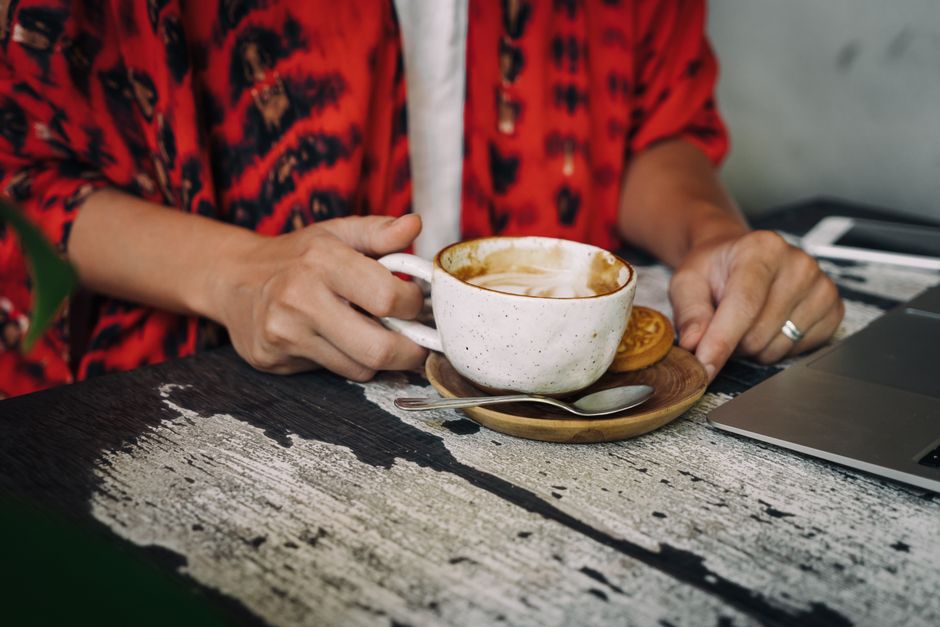
Yes, lattes contain caffeine. A standard 8-ounce latte made with one shot of espresso has about 63 milligrams of caffeine. That is roughly the same amount found in a cup of brewed coffee from a drip machine. The exact number changes depending on the size of your drink and how many espresso shots are in it. A 16-ounce latte with two shots will have around 126 milligrams. This guide covers what determines the caffeine content in lattes, how it compares to other coffee drinks, and what you should actually know before ordering your next one.
What Determines How Much Caffeine Is in a Latte?
The caffeine in a latte comes entirely from the espresso shots. Milk has no caffeine. So the number of shots is the single most important factor. A standard single shot of espresso in the United States contains roughly 63 milligrams of caffeine. A double shot, which is more common in commercial coffee shops, contains about 126 milligrams.
The size of your latte does not change the caffeine content unless the barista adds more shots. A 12-ounce latte and a 20-ounce latte can have the same amount of caffeine if both use two espresso shots. The extra volume is just more milk. This is a common point of confusion. People assume a larger drink means more caffeine. That is not how lattes work.
Some coffee shops use a different roast or bean variety. Robusta beans have about twice the caffeine of Arabica beans. Most specialty coffee shops use Arabica. Some chains or budget cafes may use a blend that includes Robusta. This can raise the caffeine content without adding more shots. You usually cannot tell from the menu which bean is used.
Does Latte Have Caffeine Compared to Other Coffee Drinks?
Here is a direct comparison of common coffee drinks and their typical caffeine content. These numbers are based on standard US coffee shop recipes using Arabica beans.
| Drink | Standard Size | Typical Caffeine |
|---|---|---|
| Drip coffee | 8 oz | 95 mg |
| Latte (1 shot) | 8 oz | 63 mg |
| Latte (2 shots) | 16 oz | 126 mg |
| Cappuccino (1 shot) | 6 oz | 63 mg |
| Americano (2 shots) | 16 oz | 126 mg |
| Cold brew | 12 oz | 200 mg |
| Espresso (single) | 1 oz | 63 mg |
A latte has less caffeine than drip coffee of the same size. This is because drip coffee uses more coffee grounds per ounce of water than espresso. A typical 8-ounce cup of drip coffee has about 95 milligrams of caffeine. An 8-ounce latte with one shot has about 63 milligrams. If you are sensitive to caffeine, a single-shot latte is a reasonable choice.
Cold brew is a different story. It is steeped for 12 to 24 hours, which extracts more caffeine. A 12-ounce cold brew can have 200 milligrams or more. That is roughly the same as three espresso shots. Many people do not realize this and drink cold brew thinking it is milder. It is not.
Does the Type of Milk Affect Caffeine Content?
No type of milk changes the caffeine content. Whole milk, skim milk, oat milk, almond milk, and soy milk all contain zero caffeine. The milk only affects the texture, taste, and calorie count of the latte. If someone tells you oat milk lattes have less caffeine, they are mistaken.
The only exception is if you order a latte with added flavor syrups that contain caffeine. Some coffee shops offer mocha sauces or specialty syrups that have trace amounts of caffeine from cocoa. The amount is negligible — typically less than 5 milligrams per pump. This is not enough to change the overall caffeine content in any meaningful way.
One thing worth knowing: the temperature of your milk also does not change caffeine. Hot milk and cold milk have the same caffeine content. The caffeine molecule is stable at normal beverage temperatures. Steaming milk does not break it down.



What Research on Caffeine in Lattes Actually Shows
The USDA National Nutrient Database reports that an 8-ounce latte contains 63 milligrams of caffeine. This is based on a standard single shot of espresso. The caffeine content of espresso itself has been studied extensively. Research published in the Journal of Analytical Toxicology found that caffeine levels in espresso can vary from 51 to 76 milligrams per single shot depending on the roast and brewing method.
The FDA states that 400 milligrams of caffeine per day is generally safe for healthy adults. That works out to about six single-shot lattes. But individual tolerance varies. Some people feel jittery after one latte. Others can drink three without noticing anything. Genetics, body weight, and how regularly you consume caffeine all play a role.
Some studies suggest that caffeine from espresso-based drinks may be absorbed slightly faster than caffeine from drip coffee. The reason is not fully understood. It may relate to the higher concentration of caffeine in a smaller volume of liquid. The practical difference is small. Most people will not notice a different onset of effects between a latte and a cup of drip coffee.
Common Misconceptions About Caffeine in Lattes
Several myths about latte caffeine persist online. Here are the ones that come up most often and what the evidence actually shows.
- Decaf lattes have no caffeine. Decaf espresso still contains about 3 to 7 milligrams per shot. That is a small amount, but it is not zero. People who need to avoid caffeine completely for medical reasons should know this.
- Darker roasts have more caffeine. This is false. Dark roasts are roasted longer, which burns off some caffeine. Light roasts actually have slightly more caffeine by volume. The difference is small — roughly 5 to 10 percent — but it goes in the opposite direction of what most people assume.
- A latte is stronger than a cappuccino. They have the same caffeine content if made with the same number of espresso shots. The difference is only the milk texture and foam ratio. Caffeine content is identical.
- Ice lattes have less caffeine. An iced latte uses the same number of espresso shots as a hot latte. The only difference is cold milk instead of steamed milk. Caffeine content is the same.
Another claim that circulates online is that the caffeine in lattes is “weaker” because milk binds to it. There is no evidence for this. Milk proteins do not bind to caffeine in a way that reduces absorption. Your body absorbs the caffeine from a latte the same way it does from black coffee.
How to Know Exactly How Much Caffeine You Are Getting
If you want precise control over your caffeine intake from lattes, you need to ask one question: how many shots are in this drink? That is the only number that matters. A 12-ounce latte with one shot has about 63 milligrams. A 12-ounce latte with two shots has about 126 milligrams. The size on the cup tells you nothing about caffeine unless you know the shot count.
Most coffee chains list caffeine information on their websites or in-store. Starbucks, for example, publishes full nutritional data including caffeine. A tall (12 oz) latte from Starbucks has 75 milligrams because they use a slightly different espresso dose. A grande (16 oz) has 150 milligrams. These numbers are publicly available and reliable.
Independent coffee shops may not have this data posted. You can ask the barista how many shots are in each size. Standard practice in the US is one shot for small, two for medium, and three for large. But not all shops follow this. Some use two shots for all sizes. Some use one shot for everything. Never assume.
If you are tracking caffeine for health reasons, remember that a latte is just espresso plus milk. The milk adds calories and fat but does not change the caffeine. A 16-ounce latte with two shots has the same caffeine as a double espresso. The only difference is volume and taste.
Frequently Asked Questions
Does a latte have more caffeine than coffee?
No. An 8-ounce latte has about 63 milligrams of caffeine while an 8-ounce drip coffee has about 95 milligrams. Coffee has more caffeine per ounce.
How much caffeine is in a 16 oz latte?
A 16-ounce latte with two espresso shots contains about 126 milligrams of caffeine. Some shops use three shots in large sizes which would raise it to about 189 milligrams.
Can you get a latte without caffeine?
Yes. Most coffee shops offer decaf lattes made with decaffeinated espresso. A decaf latte still contains about 3 to 7 milligrams of caffeine per shot.
Does the size of the latte change the caffeine amount?
Only if the number of espresso shots changes. A larger latte with the same number of shots has the same caffeine as a smaller latte. The extra volume is just milk.
