
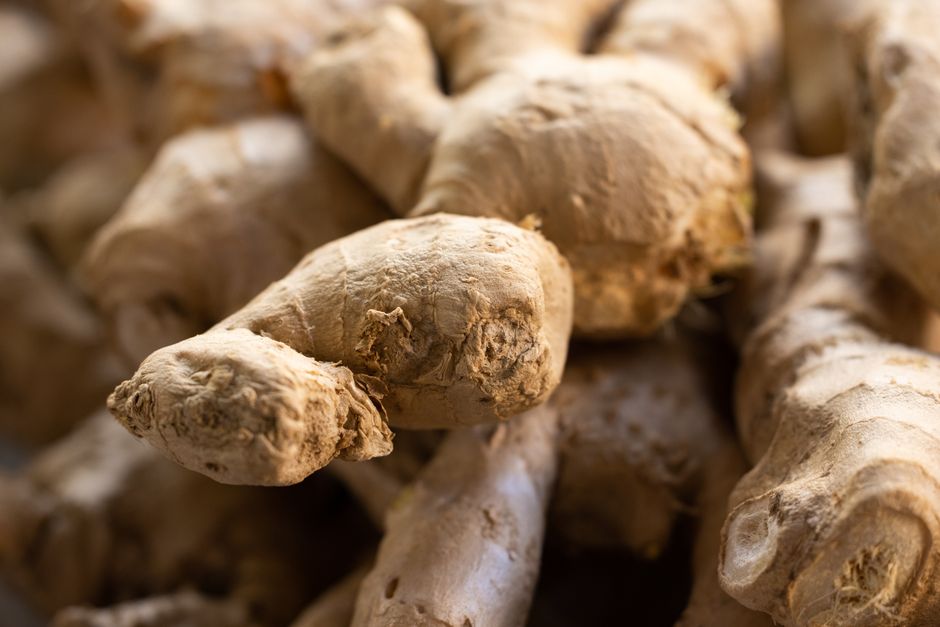
Some people bite into a piece of ginger and get a clean, spicy kick. Others get a sudden, unmistakable taste of soap. The difference comes down to your genes. A specific genetic variation makes certain people sensitive to the soapy flavor compounds in ginger. If ginger tastes like soap to you, it is not in your head. It is in your DNA.
What Exactly Causes Ginger to Taste Like Soap?
The soapy taste in ginger comes from compounds called terpenes. These are natural chemicals found in many plants. Ginger contains terpenes like zingiberene and bisabolene. To most people, these add a fresh, pine-like or citrusy note. To a smaller group, they taste like a bar of soap.
The difference is in your olfactory receptors. These are proteins in your nose that detect smells. A gene called OR6A2 codes for one of these receptors. Some people have a variant of this gene that makes them very sensitive to certain terpenes. When they smell or taste those compounds, their brain registers it as soap.
This is the same mechanism that makes cilantro taste like soap to some people. The same gene, OR6A2, is involved in both cases. If you have the soapy-ginger gene, you likely also find cilantro soapy. But not always. The genetics are complex, and different terpenes trigger different responses.
How Common Is the Soapy Ginger Taste?
Research on this specific trait is limited compared to cilantro studies. But the numbers give us a good idea. Studies on cilantro soapiness find that about 4 to 14 percent of people experience it. The rate varies by ethnicity. The soapy ginger effect appears to be less common, likely affecting 3 to 8 percent of the population.
A study published in the journal Chemical Senses looked at how people perceive ginger’s aroma. Researchers found that people with the OR6A2 variant rated ginger as more soapy and less pleasant. But the study was small. Larger population studies are needed to pin down exact percentages.
Age also plays a role. Your sense of smell changes as you get older. Some people lose sensitivity to soapy notes over time. Others gain it. If ginger tasted fine to you in your twenties but seems soapy now, your aging olfactory system may be the cause.
Does Cooking or Preparation Change the Soapy Taste?
Cooking can reduce the soapy flavor, but it does not eliminate it for everyone. The terpenes that cause the soapy taste are volatile. They evaporate when heated. High-heat cooking like stir-frying or roasting breaks down more of these compounds than gentle simmering does.
| Preparation Method | Effect on Soapy Taste | Best For |
|---|---|---|
| Raw ginger | Strongest soapy flavor | Minimal |
| Boiled or simmered | Moderate reduction | Soups, teas |
| Stir-fried at high heat | Significant reduction | Stir-fries, curries |
| Roasted or baked | Major reduction | Roasted vegetables, baked goods |
| Dried or powdered | Soapy flavor often weaker | Spice blends, baking |
If you want to use ginger but hate the soapy taste, try roasting it first. Slice it thin, toss it in a dry pan over medium heat for two to three minutes. This drives off many of the volatile terpenes while keeping ginger’s other flavors. You lose some of the fresh punch, but you also lose the soap.
One non-obvious trick: acid helps. A squeeze of lemon or lime juice can mask the soapy notes. The acid changes how your taste receptors perceive the terpenes. It does not remove them chemically, but it changes the flavor profile enough that many people find it tolerable.




What Does Research on the Soapy Ginger Taste Show?
The strongest evidence comes from genetic studies. Researchers at 23andMe and other genetic testing companies have linked the OR6A2 gene to soapy taste perception. A 2012 study in the journal Flavour specifically examined cilantro soapiness and identified the gene. Follow-up work confirmed that the same gene affects perception of other terpene-rich foods, including ginger.
A more recent study from Monell Chemical Senses Center looked at how people describe ginger’s flavor. Participants with the OR6A2 variant used words like “soapy,” “perfumey,” and “chemical” to describe ginger. Those without the variant used words like “spicy,” “fresh,” and “citrusy.” The difference was statistically significant.
But here is where the evidence gets honest: no large-scale study has specifically isolated ginger alone. Most research groups ginger with other terpene-containing foods. The link is strong but not absolute. Some people with the OR6A2 variant taste ginger normally. Some without it taste soap. Genetics is not destiny. Other genes and environmental factors also contribute.
This is a good example of why you should be skeptical of any article claiming a single gene explains a complex taste experience. The OR6A2 gene is a major player, but it is not the only one. Your overall genetic makeup, your gut microbiome, and even what you ate earlier in the day can influence how ginger tastes to you.
Is There a Connection Between Soapy Ginger and Other Foods?
Yes. The same terpenes that make ginger taste soapy are found in other plants. If ginger tastes soapy to you, you may also notice a similar taste in:
- Cilantro — the most well-known example, also linked to OR6A2
- Bay leaves — high in eugenol and other terpenes
- Cardamom — contains similar volatile compounds
- Turmeric — related to ginger and shares some terpenes
- Thyme and rosemary — both contain terpenes that some find soapy
This does not mean you will hate all these foods. The specific terpene profile varies. You might find ginger soapy but love cardamom. The receptors in your nose are finely tuned. A slight chemical difference can change the perception entirely.
Some people report that artificial ginger flavoring tastes less soapy than fresh ginger. This makes sense. Artificial flavors often use isolated compounds like gingerol and shogaol. These are the spicy compounds, not the terpenes. If the soapy taste comes from terpenes, a product without them will taste fine.
Can You Train Yourself to Like the Soapy Taste?
Some evidence suggests you can change your taste preferences over time. A study from Yale University found that repeated exposure to cilantro reduced the soapy perception in some people. The same may apply to ginger. Your brain can learn to reinterpret the soapy signal as something less unpleasant.
But this is not guaranteed. Some people have such a strong genetic response that no amount of exposure changes it. If you have tried ginger many times and it still tastes like soap, you are likely one of those people. Pushing yourself to eat it will not help. It may just make you dislike ginger more.
A more practical approach: use ginger in small amounts in dishes where other flavors dominate. A pinch of dried ginger in a curry or a thin slice in a stir-fry may not trigger the soapy taste as strongly. Your brain processes the overall flavor of the dish, not individual compounds. The soapy note can get lost in the mix.
If you genuinely want to enjoy ginger, start with candied ginger. The sugar masks the soapy terpenes. Once your brain associates ginger with sweetness, the soapy flavor may become less noticeable over time. This is not backed by strong clinical evidence, but many people report success with this method.
What to Avoid If Ginger Tastes Soapy
Do not assume you are eating spoiled ginger. Many people mistake the soapy taste for rot. Fresh ginger should smell spicy and earthy. If it smells like soap, that is your genetics, not the ginger’s quality. Throwing away perfectly good ginger is a waste of money.
Avoid using ginger in raw applications like smoothies or fresh juices. These preparations preserve the full terpene profile. If you must use ginger raw, blend it with strong flavors like pineapple or mint. These can overpower the soapy notes.
Do not rely on ginger supplements as a substitute. Some ginger supplements contain concentrated terpenes. If the soapy taste bothers you, the supplement may trigger the same reaction. Check the ingredient list. If it says “ginger oil” or “ginger extract,” it likely contains the compounds you want to avoid.
One more thing: do not force yourself to like ginger for health reasons. Ginger is healthy, but it is not a miracle food. You can get the same anti-inflammatory benefits from turmeric, black pepper, or omega-3 fatty acids. If ginger tastes bad to you, skip it. Your health will not suffer.
Frequently Asked Questions
Why does ginger taste like soap to me but not to others?
You likely have a genetic variation in the OR6A2 gene that makes you sensitive to terpenes in ginger. This is the same gene that causes cilantro to taste soapy to some people.
Can I get rid of the soapy taste in ginger by cooking it?
High-heat cooking like roasting or stir-frying reduces the soapy flavor but may not eliminate it completely. Adding lemon or lime juice can also help mask the taste.
Is ginger that tastes like soap safe to eat?
Yes, it is safe. The soapy taste is a genetic perception, not a sign of spoilage or contamination. The ginger is perfectly fine to eat.
Does the soapy ginger taste mean I have a medical condition?
No, it is a normal genetic variation and not a sign of any medical problem. Your sense of smell and taste are simply wired differently.
