
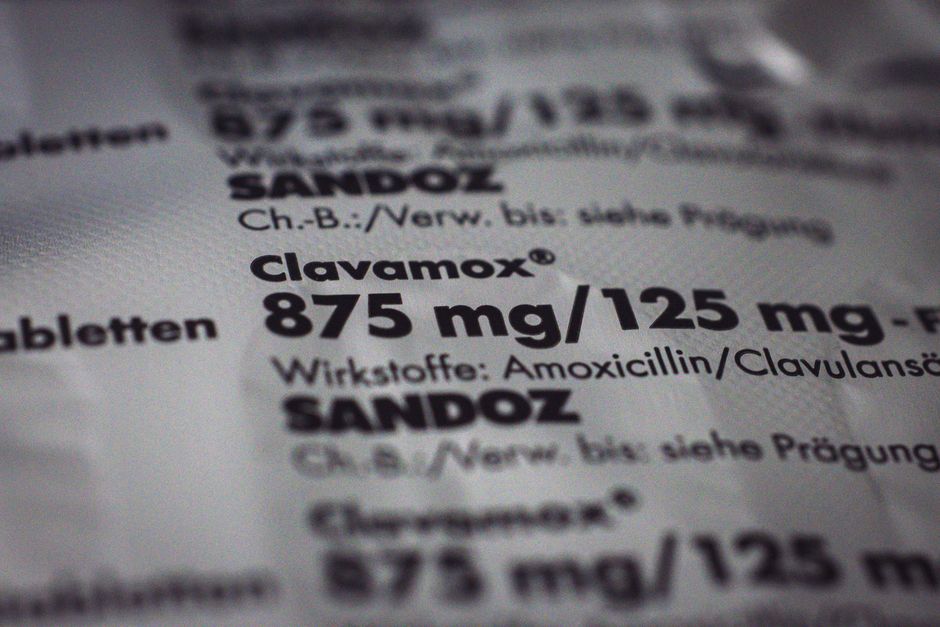
Yes, you can take Tylenol (acetaminophen) with amoxicillin. These two medications do not interact in a dangerous way. Tylenol works on pain and fever through a different pathway than amoxicillin, which is an antibiotic that fights bacterial infections. Taking them together is common and generally considered safe for most people. But like any combination of medications, there are important details you should know before mixing them.
Is It Safe to Take Tylenol With Amoxicillin?
Research shows that Tylenol and amoxicillin do not have a known drug interaction. The National Institutes of Health and other major health organizations list no warnings against taking these two together. This is because they are processed in the body through different systems.
Tylenol is broken down mainly in the liver. Amoxicillin is eliminated mostly through the kidneys. Because they do not compete for the same metabolic pathways, the risk of a negative interaction is very low.
Some people worry about taking any pain reliever with an antibiotic. That concern is understandable. But with amoxicillin and Tylenol specifically, the evidence is clear. Studies have found no increased side effects or reduced effectiveness when these two are taken together.
The bigger concern for most people is not the combination itself but taking too much of either medication. Overdosing on Tylenol can cause serious liver damage. Taking amoxicillin incorrectly can contribute to antibiotic resistance. These are separate issues but worth keeping in mind.
When Would Someone Need to Take Both?
Infections often come with symptoms that need separate treatment. Amoxicillin treats the bacterial cause of an infection. But it does nothing for the pain, fever, or body aches that often come with that infection.
Common situations where someone might need both medications include:
- Ear infections that cause significant ear pain and fever
- Strep throat with high fever and throat pain
- Sinus infections with facial pressure and headache
- Dental infections that require antibiotics and pain relief
- Respiratory infections with fever and body aches
In these cases, taking Tylenol alongside amoxicillin can make the recovery period more comfortable. The antibiotic works on the underlying infection while Tylenol manages the symptoms.
Some people report that Tylenol helps them sleep better when they are sick. Rest is important for recovery from any infection. So managing pain and fever can indirectly help the antibiotic do its job by giving your body the rest it needs.
What Does Research on Taking Tylenol With Amoxicillin Show?
Current research suggests that taking these two medications together does not change how well either one works. A 2021 review of antibiotic interactions found no significant concerns with acetaminophen and amoxicillin combinations.
One study looked at children with ear infections who were given amoxicillin along with acetaminophen for pain. The children who received both medications had better symptom control than those who received amoxicillin alone. The antibiotic was just as effective in both groups.
Another area of research involves how these medications affect the gut microbiome. Antibiotics like amoxicillin can disrupt the balance of bacteria in your digestive system. Some people worry that pain relievers might make this worse. As of 2026, there is no strong evidence that Tylenol adds to this disruption in a meaningful way.
The research does show one important thing about timing. Taking Tylenol at the same time as amoxicillin does not appear to affect how much of either medication gets absorbed into your bloodstream. This means you do not need to space them apart by hours.





What Are the Risks and Side Effects?
Even though the combination is safe, each medication has its own side effects that you should know about.
Amoxicillin side effects include:
- Diarrhea
- Nausea
- Skin rash
- Yeast infections
- Allergic reactions in rare cases
Tylenol side effects are less common at recommended doses. The main risk is liver damage from taking too much. The maximum daily dose for adults is 3,000 to 4,000 milligrams depending on your health status. Many people do not realize that Tylenol is also in many cold and flu products. Taking multiple products that contain acetaminophen can lead to accidental overdose.
Some people report stomach upset when taking amoxicillin. If you add Tylenol to that, the stomach issues might feel worse. But this is not a drug interaction. It is just the body dealing with multiple medications at once.
One common question is whether Tylenol can mask a fever that the doctor needs to track. This is a valid concern. If your doctor is monitoring your fever to see if the antibiotic is working, taking Tylenol regularly might hide that information. It is best to ask your doctor how they want you to handle fever while on antibiotics.
How to Take Tylenol With Amoxicillin Safely
If you need to take both medications, follow these practical guidelines based on what the evidence shows.
Take amoxicillin exactly as prescribed. Do not skip doses. Finish the entire course even if you feel better. Stopping early can lead to antibiotic resistance.
Use the lowest effective dose of Tylenol. Start with 500 milligrams and see if that controls your symptoms. Only take more if needed. Do not exceed 3,000 milligrams in 24 hours without a doctor’s approval.
Keep a log of when you take each medication. This helps you track total Tylenol intake and avoid accidental overdose. Write it down or set reminders on your phone.
Do not take Tylenol products that also contain other ingredients. Some cold and flu products combine acetaminophen with decongestants or antihistamines. Stick to plain Tylenol so you know exactly what you are taking.
Drink enough water. Both medications can cause mild dehydration in some people. Staying hydrated helps your kidneys and liver process these medications more effectively.
If you have liver disease or a history of heavy alcohol use, talk to your doctor before taking Tylenol with any medication. Your liver may not handle acetaminophen as well as a healthy liver would.
Common Misconceptions About Taking Tylenol With Antibiotics
There are several myths about mixing pain relievers with antibiotics that need clearing up.
Some people believe that all pain relievers interact with all antibiotics. This is not true. Ibuprofen (Advil) and naproxen (Aleve) have different interactions than Tylenol. Amoxicillin specifically has no known interaction with Tylenol, but it can interact with other medications like methotrexate or blood thinners.
Another myth is that taking Tylenol will make the antibiotic less effective. This is widely claimed though strong evidence is limited. Studies have not found that Tylenol reduces the antibacterial activity of amoxicillin. The antibiotic still works to kill bacteria regardless of whether you take Tylenol.
Some people think they should avoid all medications while on antibiotics to give their body a clean slate. This is not necessary. Antibiotics are strong medications, but they are designed to be taken alongside other treatments when needed. The key is knowing which combinations are safe.
A less common but persistent myth is that Tylenol causes the antibiotic to stay in your system longer and increase side effects. There is no clinical evidence for this. The body processes these medications independently.
Frequently Asked Questions
Frequently Asked Questions
Can I take Tylenol and amoxicillin at the same time?
Yes, you can take them at the same time. There is no known interaction that requires spacing them apart.
How long after taking amoxicillin can I take Tylenol?
You can take Tylenol at any point while on amoxicillin. No waiting period is needed between the two medications.
Can Tylenol make amoxicillin less effective?
No, research shows Tylenol does not reduce how well amoxicillin works against bacterial infections.
Is it safe to take Tylenol with amoxicillin for a child?
Yes, it is generally safe for children when given at the correct weight-based dose for both medications. Always check with a pediatrician first.
