

Apple cider vinegar is acidic, and many people worry it kills the good bacteria in their gut. The short answer is that occasional, properly diluted consumption of apple cider vinegar is unlikely to destroy your healthy gut microbiome. However, the evidence on its effects is limited, and how you consume it matters far more than most online advice suggests.
What Does the Science Say About ACV and Gut Bacteria?
Research on apple cider vinegar and the gut microbiome is still in its early stages. Most studies have been done in animals or in laboratory settings, not in large groups of humans. Because of this, no clinical consensus currently exists on whether ACV meaningfully changes your gut bacteria for better or worse.
Some laboratory research suggests that the acetic acid in vinegar can inhibit the growth of certain harmful bacteria. This is why vinegar has a long history as a food preservative. But your stomach already produces acid far stronger than vinegar, and this acid is a natural barrier that kills many microbes before they reach your intestines.
The beneficial bacteria that make up your gut microbiome mostly live in your colon, not in your stomach. By the time any food or drink passes through your stomach’s acidic environment, its direct antibacterial effects are largely neutralized. This makes it unlikely that a small amount of diluted ACV would wipe out your colon’s healthy bacterial population.
How Stomach Acid Already Protects Your Gut
Your stomach produces hydrochloric acid with a pH between 1.5 and 3.5 when digesting food. Apple cider vinegar typically has a pH around 2 to 3. In practical terms, your stomach acid is already as strong as or stronger than vinegar itself.
This matters because your gut bacteria are not exposed directly to everything you swallow. The stomach acts as a gatekeeper. Bacteria that survive stomach acid then face bile and digestive enzymes in the small intestine. Only hardy strains make it through to the colon, where the majority of your microbiome resides.
When you drink diluted ACV, the vinegar mixes with food and stomach contents. This further reduces its acidity and any potential antibacterial effect. For ACV to directly kill significant numbers of colon bacteria, it would need to survive digestion intact, which does not happen in normal circumstances.
Can Undiluted Apple Cider Vinegar Harm You?
Drinking undiluted apple cider vinegar is where real risks appear. The high acidity can damage tooth enamel, irritate the throat, and cause burns to the esophagus. These effects are well documented and are not about gut bacteria at all.
Some people believe that taking vinegar straight maximizes its health benefits. This belief is not supported by evidence and carries genuine harm. If you choose to consume ACV, diluting it in water is the only sensible approach.
There are also case reports of people experiencing esophageal damage after swallowing undiluted vinegar or ACV tablets that became lodged in their throats. These are rare but serious events. Treating ACV as a medicine rather than a food ingredient is where problems begin.

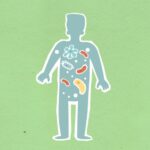

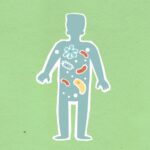

Does ACV Act as a Prebiotic or Antibiotic?
Some sources claim that apple cider vinegar acts as a prebiotic because it contains pectin and other compounds. A prebiotic is a substance that feeds beneficial gut bacteria. The evidence for this claim is largely theoretical.
Raw, unfiltered apple cider vinegar contains a cloudy substance called “the mother.” This is a collection of beneficial bacteria and yeast left over from fermentation. Some people assume these bacteria colonize your gut and improve your microbiome. No clinical evidence confirms that the bacteria in vinegar survive stomach acid in meaningful numbers or establish themselves in your colon.
Other sources warn that ACV kills both bad and good bacteria indiscriminately, acting like a mild antibiotic. This claim also lacks direct human evidence. The reality is that vinegar’s effects on the complex ecosystem of the human gut are not well understood. Neither the prebiotic nor the antibiotic narrative is backed by strong human trials.
What the Research Actually Shows
Several small human studies have looked at apple cider vinegar’s effects on blood sugar. Some research suggests that consuming vinegar with a high-carbohydrate meal may modestly reduce post-meal blood sugar spikes. This effect is interesting but does not tell us anything about gut bacteria.
Animal studies have shown that vinegar can alter the composition of gut bacteria in mice and rats. One study found changes in the abundance of certain bacterial groups after vinegar consumption. Whether these findings translate to humans is unknown.
No large, well-designed human trial has measured the effect of daily ACV consumption on the diversity or health of the gut microbiome. Claims that ACV “balances” your gut or “restores” healthy bacteria are not supported by clinical evidence. These phrases come from marketing, not research.
Is It Safe to Drink Apple Cider Vinegar Daily?
For most healthy people, consuming one to two tablespoons of apple cider vinegar diluted in a glass of water is likely safe. This amount is commonly used in studies and is generally well tolerated. However, no official clinical guidelines establish a safe daily dose because ACV is a food, not a medication.
People with certain conditions should be more careful. If you have gastroparesis, a condition where the stomach empties slowly, vinegar may worsen symptoms. If you take diuretics, insulin, or digoxin, ACV can affect potassium levels and interact with these medications. Anyone with kidney disease should avoid large amounts of vinegar because it is hard for compromised kidneys to process.
Pregnant women and people with chronic digestive conditions should consult a doctor before using ACV regularly. No safety data exists specifically for these populations, and the absence of evidence is not evidence of safety.
Practical Ways to Protect Your Gut Microbiome
If your goal is a healthy gut, research points to a few strategies with much stronger evidence than vinegar.
- Eat a variety of plant foods. Diets rich in fruits, vegetables, legumes, and whole grains are consistently linked to greater gut bacterial diversity.
- Include fermented foods. Yogurt, kefir, sauerkraut, and kimchi contain live bacteria that can temporarily increase gut microbial diversity when consumed regularly.
- Limit highly processed foods. Diets high in processed ingredients and added sugars are associated with less diverse gut microbiomes.
- Get enough fiber. Most adults need 25 to 38 grams of fiber daily, but most Americans consume roughly half that amount. Fiber feeds beneficial gut bacteria.
These approaches are supported by substantial research. If you enjoy apple cider vinegar in salad dressings or diluted drinks, there is no strong reason to stop. But it should not be your primary strategy for gut health.
Signs Your Gut Bacteria May Be Out of Balance
Gut dysbiosis is a term used when the balance of gut bacteria shifts in ways that may affect health. Digestive symptoms like persistent bloating, diarrhea, constipation, or abdominal pain can sometimes signal this imbalance. However, these symptoms have many causes, and you cannot diagnose dysbiosis from symptoms alone.
If you have ongoing digestive problems, a doctor can help determine whether your gut microbiome is involved. Self-treating with apple cider vinegar or other unproven remedies may delay proper diagnosis. Some digestive conditions require specific medical treatment, not dietary adjustments.
Taking antibiotics is the most common cause of temporary gut bacterial disruption. Antibiotics are life-saving medications, but they do kill some beneficial bacteria alongside harmful ones. If you recently finished a course of antibiotics, eating a fiber-rich diet and fermented foods is a more evidence-based approach to recovery than vinegar.
Frequently Asked Questions
Does apple cider vinegar kill good gut bacteria?
No evidence shows that properly diluted apple cider vinegar kills meaningful amounts of good gut bacteria in humans. Stomach acid is already stronger than vinegar and neutralizes most of its antibacterial effects before it reaches the colon.
How much apple cider vinegar should I drink daily?
Most studies use one to two tablespoons diluted in a glass of water, but no official clinical guidelines exist. Start with less and never consume it undiluted, as this can damage tooth enamel and the esophagus.
Is raw apple cider vinegar with the mother better for gut health?
There is no clinical evidence that the bacteria in the mother survive stomach acid or improve gut health. The mother is safe to consume, but claims that it restores gut bacteria are not supported by research.
Can apple cider vinegar cause digestive problems?
Some people report heartburn, nausea, or stomach discomfort after drinking ACV. If you have gastroparesis or take certain medications, vinegar may worsen symptoms, so consult a doctor before regular use.
