
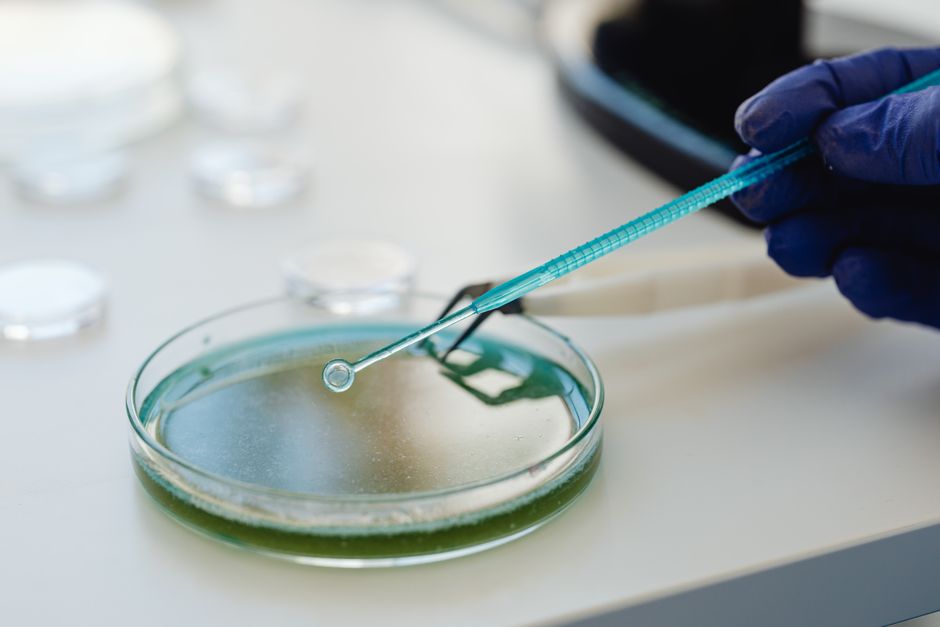
If you have persistent digestive issues, your doctor may want to look at the bacteria living in your gut. The most common and reliable methods are a stool test, an endoscopy with a biopsy, and a breath test for specific bacterial overgrowth. These tests look for different things, and your doctor will choose based on your symptoms and medical history.
What Is a Stool Test for Gut Bacteria?
A stool test is the most common way doctors check your gut microbiome. You collect a small sample at home and send it to a lab. The lab analyzes the DNA of the bacteria in the sample.
This test can show which types of bacteria are present and whether the overall diversity is normal. Some stool tests also check for specific pathogens like Clostridioides difficile or parasites. Doctors often order these tests when they suspect an infection or when they want a broad picture of your gut health.
Clinical stool tests differ from the direct-to-consumer kits you can buy online. Medical tests look for known pathogens and markers of inflammation. Consumer kits often provide a long list of bacterial names without clear clinical guidance on what to do with the results. If you take a consumer test, bring the results to your doctor for interpretation rather than acting on them alone.
How Does an Endoscopy Test for Gut Bacteria?
An upper endoscopy allows a doctor to look directly at your upper digestive tract. During this procedure, you are sedated and a thin tube with a camera is passed through your mouth into your stomach and the first part of your small intestine.
The doctor can take small tissue samples, called biopsies, during the endoscopy. These samples can be tested for the presence of bacteria and for signs of inflammation or damage. This method is more invasive than a stool test, so doctors usually reserve it for people with serious symptoms like unexplained weight loss, bleeding, or difficulty swallowing.
Endoscopy with biopsy is the gold standard for diagnosing certain conditions related to gut bacteria, such as Helicobacter pylori infection. The biopsy can confirm the bacteria are present and show how much damage they have caused to the stomach lining.
What Is a Breath Test for Bacterial Overgrowth?
A breath test is a non-invasive way to check for small intestinal bacterial overgrowth, or SIBO. Normally, the small intestine has relatively few bacteria. When bacteria grow there in large numbers, they can cause bloating, gas, and diarrhea.
During the test, you drink a sugar solution, usually lactulose or glucose. If bacteria in your small intestine ferment that sugar, they produce hydrogen and methane gas. These gases are absorbed into your blood and exhaled through your lungs. The test measures the levels of these gases in your breath over several hours.
High levels of hydrogen or methane at certain time points suggest bacterial overgrowth. This test is widely used in clinical practice, though results can vary based on how quickly food moves through your digestive tract. Some research suggests the test has limitations, but it remains a standard tool because it is safe and non-invasive.





How Doctors Test For Gut Bacteria Methods Explained: Which Test Is Right for You?
The choice of test depends entirely on your symptoms. If you have acute diarrhea after travel or antibiotic use, a stool test is usually the first step. If you have chronic bloating and gas, a breath test may be more appropriate. If you have stomach pain, nausea, or signs of bleeding, an endoscopy might be necessary.
Doctors rarely order all three tests at once. They start with the least invasive option and move to more invasive tests only if the first results are unclear or if your symptoms point to a specific condition. Your medical history matters more than any single test result.
No single test gives a complete picture of your gut microbiome. Even a comprehensive stool analysis only reflects the bacteria in your colon, not the entire digestive tract. The small intestine has a different bacterial population, and it is harder to sample without invasive procedures.
What Do the Results Actually Mean?
Interpreting gut bacteria test results requires clinical judgment. A stool test might show low bacterial diversity, but that finding alone does not always explain your symptoms. Many healthy people have low diversity without any digestive problems.
For specific infections, the results are clearer. If a stool test finds C. difficile toxins, that is a diagnosis. If a biopsy confirms H. pylori, that is a diagnosis. These are actionable results with established treatments.
For broader microbiome analysis, the picture is less clear. Researchers know that certain bacterial patterns are associated with conditions like inflammatory bowel disease, but the cause-and-effect relationship is not fully understood. A test showing an unusual bacterial profile does not automatically mean you have a disease or that you need a specific treatment.
Doctors treat symptoms, not just lab results. If your test shows an imbalance but you feel fine, treatment may not be necessary. If you have severe symptoms and the test reveals a clear problem, treatment is more likely to help.
Are At-Home Gut Microbiome Tests Reliable?
At-home tests have become popular in recent years. You collect a sample, mail it to a company, and receive a detailed report about your gut bacteria. These tests can be informative from a research perspective, but their clinical value is limited.
Most at-home tests have not been validated against clinical standards. They may use different laboratory methods than medical labs, making results hard to compare. The reports often include recommendations for probiotic supplements or dietary changes that are not backed by strong evidence.
Some research suggests these tests can accurately identify the types of bacteria present in your stool. However, knowing which bacteria are present is different from knowing what to do about it. The science of manipulating the microbiome to treat specific conditions is still in its early stages.
If you are considering an at-home test, talk to your doctor first. They can tell you whether the test is likely to provide useful information for your specific situation. In many cases, a clinically ordered test is more appropriate and better covered by insurance.
What Are the Limitations of Current Testing Methods?
All current testing methods have limitations. Stool tests do not capture the bacteria in the mucus layer that lines your intestines, which may be more important than the bacteria in the stool itself. Breath tests can produce false positives or negatives depending on how quickly your digestive system moves.
Endoscopy is the most accurate method, but it is invasive and cannot sample the entire digestive tract. It is also expensive and requires sedation. No test can provide a complete, real-time picture of the trillions of bacteria living in your gut.
Another limitation is that the gut microbiome changes over time. A single test only shows what was present at the moment you collected the sample. Your diet, stress levels, sleep, and medications can all shift your bacterial populations within days.
Researchers are working on more advanced methods, including capsule-based sampling devices that can collect fluid from different parts of the digestive tract. These are still experimental and not available in routine clinical practice.
How Should You Prepare for a Gut Bacteria Test?
Preparation depends on the specific test your doctor orders. For a stool test, you generally need to avoid antibiotics for several weeks before collecting the sample. You may also need to stop taking certain probiotics.
For a breath test, you typically need to fast for 8 to 12 hours beforehand. You also need to avoid foods that are high in fiber the day before the test, as they can affect gas production. Your doctor will give you specific instructions based on the type of breath test being performed.
For an endoscopy, you cannot eat or drink for several hours before the procedure. You will also need someone to drive you home afterward because of the sedation. Follow your doctor’s instructions exactly — failing to prepare properly can lead to inaccurate results or a cancelled procedure.
Frequently Asked Questions
Can a stool test detect all gut bacteria?
No. A stool test only captures bacteria in your colon that are shed in stool. It does not reliably reflect bacteria in the small intestine or those attached to the intestinal lining.
How long does it take to get gut bacteria test results?
Stool test results typically take 1 to 2 weeks. Breath test results are available immediately after the test, and biopsy results from an endoscopy usually take about a week.
Are gut bacteria tests covered by insurance?
Clinically ordered tests are often covered when medically necessary. At-home consumer tests are usually not covered and can cost several hundred dollars out of pocket.
What is the most accurate test for gut bacteria?
Endoscopy with biopsy is the most accurate method because it allows direct sampling of tissue. However, it is invasive and only samples specific areas, so it is not used for routine microbiome assessment.
