
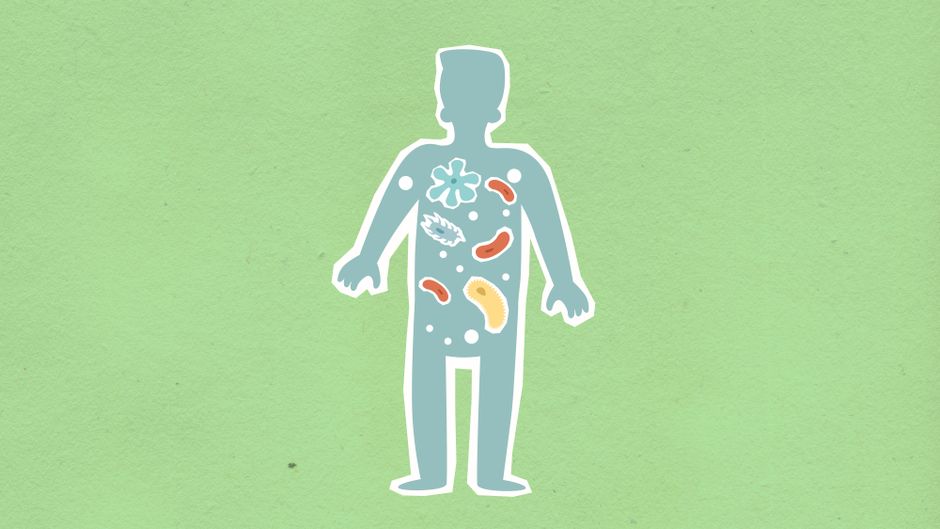
Your gut is home to trillions of bacteria, fungi, and viruses. This collection, called the gut microbiome, is unique to you. It starts forming before you are born and keeps changing throughout your life. Where does gut bacteria come from? The answer begins with your mother, continues through your environment, and is shaped by everything you eat and experience from birth to adulthood.
Does Gut Bacteria Start Before Birth?
For decades, scientists believed a baby’s gut was completely sterile until birth. Newer research challenges that idea. Some studies have found bacterial DNA in amniotic fluid, the umbilical cord, and the placenta. This suggests the first microbes may arrive before delivery.
However, this is still a debated area. Some experts argue that the bacteria found in these samples are contaminants from lab processing. The amounts are tiny compared to what a baby receives during birth. Whether the womb is truly sterile or not, the biggest transfer of bacteria happens during delivery itself.
What is clear is that the mother’s health matters during pregnancy. Her diet, weight, and antibiotic use can influence her own gut bacteria. This may affect the microbes she passes on to her child. More research is needed, but the evidence points to the mother’s microbiome as a starting point.
How Does Vaginal Birth Shape the Newborn Microbiome?
Vaginal birth is the first major exposure to bacteria. As a baby passes through the birth canal, they swallow and coat themselves in vaginal and fecal microbes. These include Lactobacillus, a genus that dominates the vaginal microbiome. It is well adapted to the newborn gut and helps create an acidic environment that protects against harmful pathogens.
This initial seeding is not random. The bacteria a baby picks up during vaginal delivery match the mother’s vaginal and gut communities. This is the foundation of the infant microbiome. It is a rapid, high-volume transfer that no other source can replicate.
This process matters because the first weeks of life are a critical window. The immune system is learning what to tolerate and what to fight. Early microbial exposure trains these immune responses. A disrupted start can have long-term effects, though the exact consequences are still being studied.
What Happens With Cesarean Section Birth?
Babies born by cesarean section do not pass through the birth canal. Instead of vaginal microbes, they are first exposed to bacteria from the mother’s skin, the hospital environment, and healthcare workers. Their gut microbiome looks noticeably different in the first months of life.
Research consistently shows that C-section infants have less Bacteroides and Bifidobacterium in their guts. These are important bacteria for digesting breast milk and developing the immune system. Instead, C-section babies tend to have more skin and environmental bacteria, such as Staphylococcus and Corynebacterium.
This difference narrows over time. By age one to three, the microbiomes of C-section and vaginally born children become more similar. But some studies suggest certain bacterial differences may persist for years. This is why some researchers are investigating a practice called vaginal seeding, where a swab of the mother’s vaginal fluid is wiped on the baby after a C-section.
Vaginal seeding is not currently recommended by major medical organizations. There are real risks, including transferring harmful bacteria or viruses from the mother to the baby. No large clinical trials have confirmed that it provides benefits. If you are considering it, discuss the risks with your obstetrician first.



How Do Breast Milk and Formula Feed the Microbiome?
Breast milk is not just food. It contains a complex mix of sugars called human milk oligosaccharides. These sugars are indigestible to the baby. They exist solely to feed specific gut bacteria, particularly Bifidobacterium.
Human milk oligosaccharides act as a selective fertilizer. They promote the growth of beneficial bacteria while starving others. This is a well-established mechanism. Breastfed infants consistently have higher levels of Bifidobacterium compared to formula-fed infants.
Formula does not contain these exact sugars. Many formulas now add prebiotics and probiotics to mimic some of these effects. Some research suggests these additions help, but the results are mixed. The evidence does not show that formula-fed infants reach the same microbial profile as breastfed infants.
Breast milk also contains its own bacteria. Some studies have found that the mammary gland has a distinct microbial community. This means breastfeeding transfers live bacteria directly to the baby. The combination of live bacteria and selective sugars makes breast milk a powerful driver of early gut development.
Where Does Gut Bacteria Come From During Infancy and Childhood?
Once solid foods are introduced, the gut microbiome expands rapidly. This is a major transition. The variety of foods brings new nutrients that support different bacterial species. Studies show that dietary diversity during this period is linked to greater microbial diversity.
Children also pick up bacteria from their environment. Pets, siblings, dirt, and daycare all contribute. A child who grows up with a dog is exposed to different microbes than one who does not. This exposure is generally considered beneficial, though it is hard to separate from other lifestyle factors.
The hygiene hypothesis suggests that early exposure to diverse microbes helps the immune system develop properly. The evidence supports that children in rural environments, with animals, and with older siblings tend to have more diverse gut bacteria. This diversity is often associated with lower rates of allergies and asthma, but the cause-and-effect relationship is not fully proven.
Antibiotic use in childhood is a major disruptor. Antibiotics kill both harmful and beneficial bacteria. Repeated courses can reduce diversity and allow less beneficial species to take hold. The gut usually recovers, but it may not return to its exact previous state. This is why antibiotics should only be used when medically necessary.
How Does the Adult Gut Microbiome Stabilize?
By young adulthood, the gut microbiome reaches a relatively stable state. The species composition becomes more consistent. It is more resistant to temporary disruptions like a bad meal or a short illness.
However, stability does not mean fixed. The adult microbiome responds to long-term diet patterns. A diet high in fiber from plants supports bacteria that produce short-chain fatty acids. These molecules have anti-inflammatory effects and are important for gut health. A diet high in processed foods and low in fiber reduces microbial diversity.
Research consistently shows that people who eat a wide variety of plant foods have more diverse gut bacteria. Diversity is generally considered a marker of a healthy microbiome. Each person still has a unique composition, influenced by genetics, early life, and lifelong habits.
Where does gut bacteria come from in adulthood? It comes from the foods you eat and the environment you live in. Fermented foods like yogurt, kefir, and sauerkraut contain live bacteria that can temporarily increase microbial diversity. High-fiber foods feed existing bacteria, helping them thrive. Both approaches are supported by evidence.
How Does Aging Change Gut Bacteria?
In older adulthood, the microbiome shifts again. Diversity often declines. Beneficial bacteria like Bifidobacterium decrease, while potentially harmful bacteria may increase. This is partly due to changes in diet, digestion, and immune function.
Medication use is a significant factor. Older adults often take multiple medications, including antibiotics, proton pump inhibitors, and metformin. Each of these can alter the gut microbiome. The cumulative effect can be substantial.
Frailty is linked to lower microbial diversity. Conversely, healthy aging is associated with greater diversity. Research on centenarians has found that they often have high microbial diversity and specific bacteria linked to longevity. This is observational, so it does not prove causation, but the pattern is consistent.
Frequently Asked Questions
Can you change your gut bacteria as an adult?
Yes, but slowly. Diet changes, especially increasing fiber and fermented foods, can shift bacterial composition within weeks.
Does taking probiotics permanently change your gut bacteria?
No. Probiotics provide a temporary boost of live bacteria, but most do not colonize permanently and stop having an effect once you stop taking them.
How long does it take for the gut microbiome to recover after antibiotics?
Most people recover within one to two months, but some bacterial species may not return to their previous levels without dietary support.
Is the gut microbiome the same for identical twins?
No. Identical twins share genetics but have different gut bacteria. Diet and environment play a larger role than genetics in shaping the microbiome.
Your gut bacteria come from a lifetime of exposures. Birth method, infant feeding, diet, environment, and medication all leave a mark. Understanding where these bacteria come from helps explain why early life matters so much. It also shows why your daily food choices continue to shape your microbial community well into adulthood.
