

Chlorine dioxide is a strong oxidizing agent that does not discriminate between harmful and beneficial bacteria. When it comes into contact with your digestive tract, it can kill a broad range of microorganisms, including the beneficial bacteria that live in your gut. This is not a targeted treatment; it is a broad-spectrum antimicrobial agent that acts on contact.
What Is Chlorine Dioxide?
Chlorine dioxide is a yellow-green gas that dissolves in water. It is primarily used as a disinfectant in municipal water treatment and industrial settings. It is effective at killing bacteria, viruses, and protozoa in water supplies.
Its chemical structure is different from chlorine bleach, but it is still a powerful oxidizer. This oxidizing action is what damages the cell walls of microorganisms, leading to their death. The same mechanism that makes it useful for disinfecting water is what makes it dangerous to consume in any meaningful amount.
You may see chlorine dioxide sold online or in stores as “Miracle Mineral Solution” or “MMS.” These products are often marketed as health treatments, but they are not approved for internal use by any regulatory health agency.
Does Chlorine Dioxide Kill Good Bacteria In Your Gut?
Yes. Chlorine dioxide kills bacteria indiscriminately. It does not have a mechanism that distinguishes between a pathogen like Salmonella and a beneficial species like Lactobacillus.
When ingested, chlorine dioxide is activated in the acidic environment of the stomach. It then oxidizes any organic matter it contacts, including the living bacteria in the gastrointestinal tract. This includes the trillions of beneficial microbes that make up your gut microbiome.
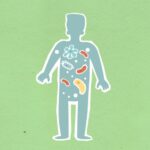
Your gut microbiome is not a simple colony of a few species. It is a complex ecosystem of hundreds of species that aid in digestion, produce vitamins, and regulate immune function. A broad-spectrum disinfectant does not spare this ecosystem.
How Chlorine Dioxide Affects the Gut Microbiome
The gut microbiome is essential for human health. These bacteria help break down dietary fiber, produce short-chain fatty acids, and prevent harmful pathogens from colonizing the intestinal lining.
Exposure to chlorine dioxide can reduce the population of these beneficial organisms significantly. The extent of the damage depends on the concentration of the solution and how much is consumed. Even small doses can cause gastrointestinal distress.
Some research suggests that oxidizing disinfectants can alter the balance of the microbiome for weeks or months after exposure. The gut needs time to repopulate its bacterial communities, and during that time, digestion and immune function may be compromised.
The human body does not have an enzyme or biological process that neutralizes chlorine dioxide in the digestive tract. It acts as a chemical oxidant, and its effects are not limited to the stomach. It can pass into the intestines before it is fully neutralized by organic matter.


What Happens When You Ingest Chlorine Dioxide?
Ingesting chlorine dioxide in the concentrations sold as “MMS” or similar products causes predictable symptoms. Nausea, vomiting, and diarrhea are the most commonly reported immediate effects.
These symptoms are not a sign that the compound is “working.” They are signs of chemical irritation and damage to the gastrointestinal lining. The vomiting and diarrhea are the body’s attempt to expel a toxic substance.
More severe effects can include dehydration, low blood pressure, and damage to red blood cells. In high enough doses, chlorine dioxide can cause methemoglobinemia, a condition where the blood cannot carry oxygen effectively.
There is no clinical evidence that ingesting chlorine dioxide treats any disease. The FDA has issued warnings about these products, stating that they are dangerous and have no approved medical use.
Can the Gut Recover After Exposure?
The gut microbiome can recover, but it is not immediate. The timeline depends on the individual and the severity of the disruption.
In healthy adults, the gut microbiome can begin to rebound within days after a mild disturbance. Full restoration of the prior bacterial diversity may take weeks or longer. Severe disruption can leave the gut vulnerable to opportunistic infections.
Consuming a diet rich in fiber and fermented foods may support the recovery of beneficial bacteria. These foods provide the substrate and live cultures that help repopulate the gut. However, this is supportive care, not a cure for chemical damage.
If you have ingested chlorine dioxide and are experiencing severe symptoms, seek medical attention. Do not attempt to treat the exposure at home with additional supplements or remedies.
Why Is Chlorine Dioxide Sold as a Health Product?
Chlorine dioxide products are marketed with claims that they kill pathogens in the body, much like they kill them in water. This is a dangerous oversimplification of how the human body works.
The marketing often relies on the idea that “if it kills germs, it must be good.” This logic ignores the fact that your body is not a glass of water. It is a living system with its own beneficial bacteria that you need to survive.
These products are typically sold online through multi-level marketing schemes. They are not regulated as drugs because they are not approved for any medical use. The sellers often frame the lack of approval as a conspiracy, but the reality is that the product is simply too dangerous for internal use.
No legitimate medical organization recommends chlorine dioxide for any health condition. The evidence base for its use is nonexistent, and the case reports of harm are well documented.
Safer Alternatives for Gut Health
If your goal is to improve your gut health, there are established methods that do not involve chemical disinfectants.
A diet high in plant-based foods supports bacterial diversity. Fiber from fruits, vegetables, legumes, and whole grains is the primary food source for beneficial gut bacteria. Prebiotic foods like garlic, onions, and oats feed these microbes directly.
Probiotic foods such as yogurt, kefir, sauerkraut, and kimchi introduce live beneficial bacteria into the digestive tract. These foods have a long history of safe consumption and are widely studied for their effects on gut health.
Regular physical activity and adequate sleep also correlate with a healthier microbiome. These lifestyle factors are not quick fixes, but they are supported by a substantial body of evidence.
If you are concerned about a specific digestive condition, speak with a healthcare provider. They can offer testing and treatments that are based on clinical evidence, not on the claims of unregulated supplement sellers.
Frequently Asked Questions
Is chlorine dioxide safe to drink?
No. Chlorine dioxide is not safe for human consumption and is not approved for internal use by any health authority. Ingesting it can cause severe nausea, vomiting, and damage to the digestive tract.
Can chlorine dioxide kill pathogens in the body?
It can kill bacteria on contact, but it cannot distinguish between harmful pathogens and beneficial gut bacteria. This indiscriminate action makes it dangerous and ineffective as a targeted treatment.
How long does it take for gut bacteria to recover?
Recovery can take from a few days to several weeks depending on the severity of the disruption. A diet rich in fiber and fermented foods may help support the repopulation of beneficial bacteria.
What should I do if I ingested chlorine dioxide?
Seek medical attention immediately if you experience severe symptoms like persistent vomiting or dehydration. Do not wait to see if symptoms resolve on their own.
