
Sucralose is one of the most common artificial sweeteners on the market, found in diet sodas, sugar-free gum, and countless packaged foods. If you have Irritable Bowel Syndrome (IBS), you have likely wondered whether this popular sweetener is making your symptoms worse. The short answer is that sucralose is not directly proven to cause IBS, but emerging research suggests it can alter gut bacteria and trigger inflammatory responses in some people, which could worsen symptoms for those already sensitive. The evidence is not settled, and the science is more nuanced than most headlines suggest.
What Is Sucralose and How Does It Work?
Sucralose is an artificial sweetener made from sugar through a chemical process that replaces three hydrogen-oxygen groups with chlorine atoms. This change makes it about 600 times sweeter than table sugar while providing virtually no calories because the body does not break it down for energy.
Most of the sucralose you consume passes through your digestive tract without being absorbed. The FDA has approved it as a general-purpose sweetener, and regulatory bodies worldwide have concluded it is safe at current consumption levels. That safety rating, however, is based on toxicity studies, not on how it affects the complex ecosystem of bacteria living in your gut.
Does Sucralose Change Gut Bacteria?
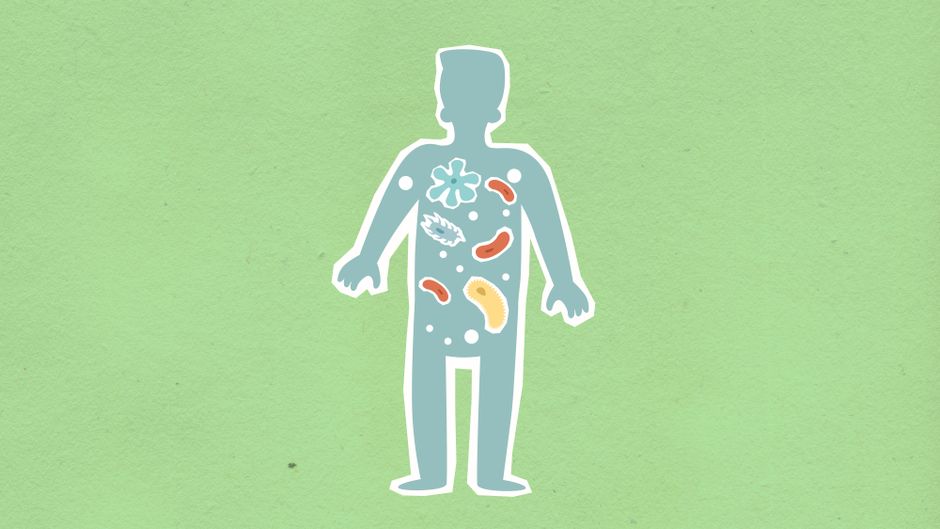
Research consistently shows that sucralose can affect the composition of gut microbiota, though the clinical significance is still debated. Some animal studies have found that regular consumption of sucralose reduces beneficial bacteria like Bifidobacteria and Lactobacillus while increasing potentially harmful species. These shifts are not subtle in animal models, but translating those findings directly to humans requires caution.
Human studies are fewer and results vary. Some trials have shown measurable changes in gut bacteria after consuming sucralose for a few weeks, while others have found no significant differences. The evidence indicates that individual responses likely vary based on your baseline gut health, diet, and genetics. If you have IBS, your gut microbiome is already different from someone without the condition, which means you may be more vulnerable to these shifts.
One important detail: a 2023 review of multiple studies concluded that sucralose does alter the gut microbiome in animal models, but human data remains inconsistent. Some researchers argue the changes are too small to matter clinically. Others point out that even small shifts in bacterial populations could be significant for someone with a sensitive gut.
Can Sucralose Trigger Inflammation?
The inflammation question is where the evidence gets genuinely complicated. Some studies have found that sucralose increases markers of inflammation in the gut, particularly in animals fed high doses. These markers include pro-inflammatory cytokines, which are signaling molecules that can promote inflammation in the intestinal lining.
However, the doses used in many animal studies are far higher than what a typical person would consume. A person drinking two diet sodas a day is not equivalent to a rat receiving the human equivalent of dozens of cans. When researchers look at realistic human consumption levels, the inflammatory effects are less clear.
There is also evidence that sucralose may affect the expression of certain genes related to inflammation and oxidative stress. This research is preliminary, and no large human trials have confirmed that sucralose causes clinically meaningful gut inflammation in healthy adults or in people with IBS. The honest position is that the evidence is limited and mixed.
What is more established is that sucralose can alter glucose metabolism in some people. Studies have found that regular consumption may change how the body responds to sugar, potentially affecting insulin sensitivity. This metabolic effect could indirectly influence gut function and inflammation, though the connection is not fully understood.



Is Sucralose Bad For IBS Specifically?
No clinical evidence currently confirms that sucralose directly causes IBS or triggers flare-ups in everyone with the condition. IBS is a functional gastrointestinal disorder, meaning the gut looks normal on tests but functions abnormally. Its triggers are highly individual, and what bothers one person may not bother another.
That said, there are several reasons why sucralose might be problematic for people with IBS. First, artificial sweeteners in general can have a laxative effect in some people. Sucralose is not a sugar alcohol like sorbitol or xylitol, which are well-known for causing bloating and diarrhea, but it can still affect motility in sensitive individuals.
Second, the foods that contain sucralose are often highly processed. A diet soda is not just sweetener and water. It contains preservatives, artificial colors, and other additives that can independently trigger IBS symptoms. When people report that sucralose bothers them, they may actually be reacting to the entire product.
Third, some research suggests that sucralose may reduce the diversity of gut bacteria, and lower diversity is associated with worse IBS symptoms. This connection is associative, not causal. We cannot say that sucralose causes IBS through microbiome changes because the research has not established that chain of events.
What Does the Evidence Actually Show?
The evidence base on sucralose and gut health is growing but remains incomplete. A significant limitation is that most human studies are short-term, lasting only a few weeks. IBS is a chronic condition, and we do not know what years of daily sucralose consumption might do to the gut.
Another limitation is that studies use different doses, different delivery methods, and different participant populations. Some use pure sucralose in capsules, while others use commercial products containing other ingredients. This makes it difficult to compare results across studies.
Some research suggests that sucralose may affect the mucus layer that protects the intestinal lining. This layer is the first line of defense between your gut bacteria and your immune system. If sucralose thins or damages this layer, it could theoretically increase intestinal permeability, sometimes called “leaky gut.” This concept is popular in wellness circles, but the scientific evidence for leaky gut as a disease mechanism is still being debated.
What is clear is that the gut is a complex system, and any substance that alters bacterial populations, mucus production, or immune signaling has the potential to affect someone with IBS. The question is whether sucralose does this at the doses people actually consume.
Should You Avoid Sucralose If You Have IBS?
The decision to avoid sucralose is personal, and there is no universal answer. If you have noticed that diet sodas or sugar-free products make your IBS symptoms worse, the most reasonable approach is to eliminate sucralose for a few weeks and see if symptoms improve. This is a simple elimination test, and it costs nothing.
If you do not notice a difference, there is no strong evidence that you need to avoid sucralose for your gut health. The research does not currently support a blanket recommendation that all people with IBS should eliminate artificial sweeteners.
That said, replacing diet sodas with water or unsweetened tea is rarely a bad idea for anyone. Sugar-free products are not inherently healthier than their regular counterparts, and they do not provide any nutritional benefit. If you are consuming them for weight management, be aware that the evidence that artificial sweeteners help with weight loss is surprisingly weak.
Some clinicians recommend a trial elimination of all artificial sweeteners for IBS patients who have not found relief through other dietary changes. This is a reasonable approach, but it is based on clinical experience rather than strong trial evidence. If you try this, keep a symptom diary so you can tell whether it actually helps.
What About Other Artificial Sweeteners?
Sucralose is not the only sweetener that has been studied for gut effects. Aspartame, saccharin, and sugar alcohols have all received research attention. Some studies have found that saccharin can alter gut bacteria and glucose metabolism in humans. Sugar alcohols like sorbitol and mannitol are well-documented triggers for bloating and diarrhea because they are poorly absorbed and ferment in the colon.
If you are sensitive to one sweetener, you may not be sensitive to others. Each has a different chemical structure and different effects on the body. Some people with IBS find that they tolerate stevia or monk fruit better than artificial sweeteners, though these natural options have their own research limitations.
The safest approach is to pay attention to your own body. If a product causes symptoms, avoid it regardless of what the research says. Your personal experience is the most relevant data point for your own health decisions.
Frequently Asked Questions
Can sucralose cause IBS?
No clinical evidence currently confirms that sucralose causes IBS. It may trigger symptoms in some sensitive individuals, but it is not established as a cause of the condition.
Does sucralose cause gut inflammation?
Some animal studies have found inflammatory markers after high-dose sucralose consumption, but human evidence is limited and mixed. No large human trials have confirmed that sucralose causes meaningful gut inflammation at typical consumption levels.
How long does sucralose stay in your system?
Most sucralose passes through the digestive tract and is excreted in stool within a few days. A small percentage is absorbed and eliminated in urine.
What sweetener is safest for IBS?
There is no single sweetener that is proven safest for all people with IBS. Individual tolerance varies, and some people do better with stevia or monk fruit while others tolerate sugar alcohols in small amounts.
