
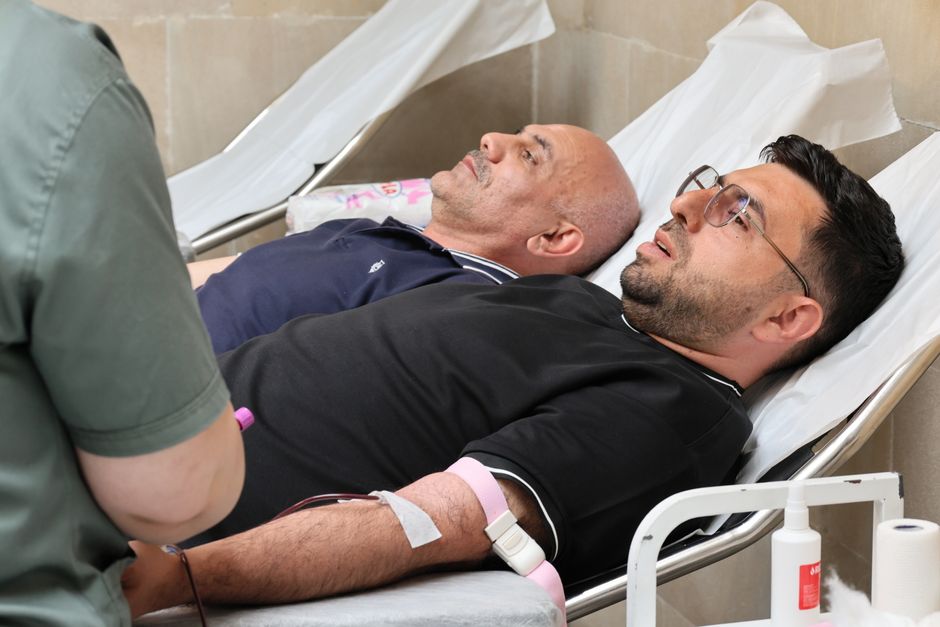
The short answer is no, you do not always need to fast for pre-op blood work. Fasting is only required for a few specific tests, most commonly a blood glucose test or a lipid panel. For the majority of routine pre-surgery labs, eating and drinking normally will not change your results. Your surgical team will tell you exactly which tests you are having and whether any of them require fasting.
Do You Need To Fast For Pre Op Blood Work?
Most pre-op blood work does not require fasting. The tests that usually matter before surgery — a complete blood count, a basic metabolic panel, a coagulation panel, and a blood type and screen — are not affected by what you ate that morning.
Fasting is only needed when a test measures something that changes after you eat. The two common ones are blood glucose and a lipid panel. If your surgeon ordered a fasting glucose, a lipid panel, or a test for triglycerides, you will need to fast. If not, you generally do not.
Here is the part many people miss. The fasting instruction you may receive before surgery is often about anesthesia, not about your blood draw. Those are two separate rules. Following one does not automatically satisfy the other, and confusing them can cause problems. Always ask which rule applies to which part of your visit.
Which Pre-Op Blood Tests Actually Require Fasting?
Only a small number of common pre-op tests are sensitive to food. The rest can be drawn at any time of day.
Tests that typically do not require fasting:
- Complete blood count (CBC)
- Basic metabolic panel (BMP) or comprehensive metabolic panel (CMP)
- Coagulation studies, such as PT, INR, and PTT
- Blood type and antibody screen
- Liver function tests
- Thyroid-stimulating hormone (TSH)
- Infectious disease screening, such as hepatitis or HIV tests
Tests that typically do require fasting:
- Fasting blood glucose
- Lipid panel (cholesterol and triglycerides)
- Some specialized tests your doctor may order for other reasons
Even within that second list, the rule is not universal. A non-fasting glucose can still be measured and interpreted. A lipid panel drawn after eating can still give useful information, though the triglyceride value in particular will be higher than a true fasting level. That is why the fasting instruction exists — to get a clean, comparable number.
Why Do Some Tests Need Fasting And Others Do Not?
Fasting exists to remove one variable: the effect of recent food on a specific measurement. It is not a ritual. It is a control.
When you eat, your body breaks food into glucose and releases it into your bloodstream. A glucose test measures that level directly, so a recent meal can push the number up. Triglycerides rise after a fatty meal and can stay elevated for hours. If the goal is to compare your result to a standard reference range built on fasting samples, a non-fasting sample may not fit that range.
Other tests are simply not affected in a meaningful way. A complete blood count counts cells. A coagulation panel measures how long your blood takes to clot. Eating a sandwich does not change your platelet count or your clotting time in any way that matters for the test. That is why these tests are ordered without any fasting instruction.
There is a practical reason fasting rules are kept narrow, too. Long fasting before surgery is not harmless. It can leave you dehydrated, raise your discomfort, and in some cases affect your blood sugar in ways that complicate the day. Clinicians generally avoid requiring fasting when a test does not need it.

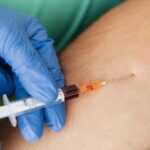
Fasting For Blood Work Vs. Fasting Before Surgery
These are two different instructions with two different purposes, and mixing them up is a common and avoidable mistake.
Fasting for blood work is about getting an accurate lab result. It usually means no food for a set number of hours before the draw. Water is generally allowed, and in most cases encouraged, because staying hydrated makes the draw easier.
Fasting before surgery is about anesthesia safety. The concern is stomach contents. If you eat too close to anesthesia, there is a risk of stomach contents entering your airway during the procedure. This is a safety rule, not a lab rule, and it is typically stricter and longer than a lab fasting window.
The two instructions can overlap on the same day, which is exactly when confusion causes trouble. A person might fast for the blood draw, then assume they can eat before the surgery because the lab work is done. That is a serious error. Follow the anesthesia fasting instructions exactly as given, even if you already had your blood drawn.
What Happens If You Eat Before A Fasting Blood Test?
If you eat before a test that required fasting, tell the phlebotomist or nurse before the draw. Do not stay quiet and hope it does not matter.
In many cases the draw can still be done, and the ordering clinician will decide whether the result is usable. A glucose or triglyceride value from a non-fasting sample may be flagged as not valid for that purpose. The test might need to be repeated on another day.
Being honest is the safest choice. A result that looks abnormal only because you ate can lead to unnecessary worry, extra testing, or a delayed surgery. A result that looks normal when it should not can hide a real problem. Either way, the person interpreting your labs needs to know the truth about when you last ate.
If your surgery is already scheduled and a repeat fasting test would cause a delay, that is a decision for your care team, not something to work around on your own.
How Long Do You Fast For Pre-Op Blood Work?
When fasting is required, the most common instruction is no food or drink except water for a set window before the draw. The exact length depends on the test and the lab.
For a standard fasting glucose or lipid panel, a typical fasting window is somewhere in the range of 8 to 12 hours. Some labs use a shorter or longer window. Because these instructions vary, the number that matters is the one your own lab or clinic gives you — not a general rule from the internet.
Water is usually allowed during a lab fasting window. In fact, drinking water is often recommended so that your vein is easier to find. Coffee, tea, juice, soda, and anything with calories are not water and generally break the fast.
If you take daily medications, do not skip them on your own before a fasting blood draw. Ask your prescribing clinician or the lab whether to take them with a sip of water. Some medications are meant to be taken as usual, and stopping them without guidance can be more harmful than the fasting itself.
How To Confirm Your Fasting Instructions
The single most reliable step is to ask directly. Before your pre-op appointment, find out two things: which specific blood tests are ordered, and whether any of them require fasting.
A short phone call to the surgical office or the lab can answer both. Ask them to name the tests if you are unsure. Once you know the test names, the fasting question usually answers itself.
Keep the two sets of instructions separate in your mind and on paper:
- Lab fasting instructions — for the blood draw only
- Anesthesia fasting instructions — for the surgery itself
Write down the times. Note when you must stop eating and when you must stop drinking for each. If the two conflict or you are unsure how they fit together, call and ask. It is a normal question and clinics answer it often.
If no one has mentioned fasting at all, that is a reasonable sign that your ordered tests do not require it. Still confirm it rather than assume. A one-minute question is far better than a canceled procedure.
Frequently Asked Questions
Do you need to fast for pre-op blood work?
No, most pre-op blood work does not require fasting. Fasting is only needed for specific tests such as a fasting glucose or a lipid panel, so ask your care team which tests are ordered.
Can I drink water before pre-op blood work?
Yes, water is generally allowed and often encouraged during a lab fasting window because it makes the blood draw easier. Anything with calories, including coffee with cream or juice, usually breaks the fast.
How long do you have to fast for a blood test?
A typical fasting window for a glucose or lipid test is about 8 to 12 hours, though labs vary. Follow the exact number your own lab or clinic gives you.
What happens if I eat before a fasting blood test?
Tell the person drawing your blood before the draw so the result can be interpreted correctly. The test may need to be repeated on another day if the result is not valid.
