
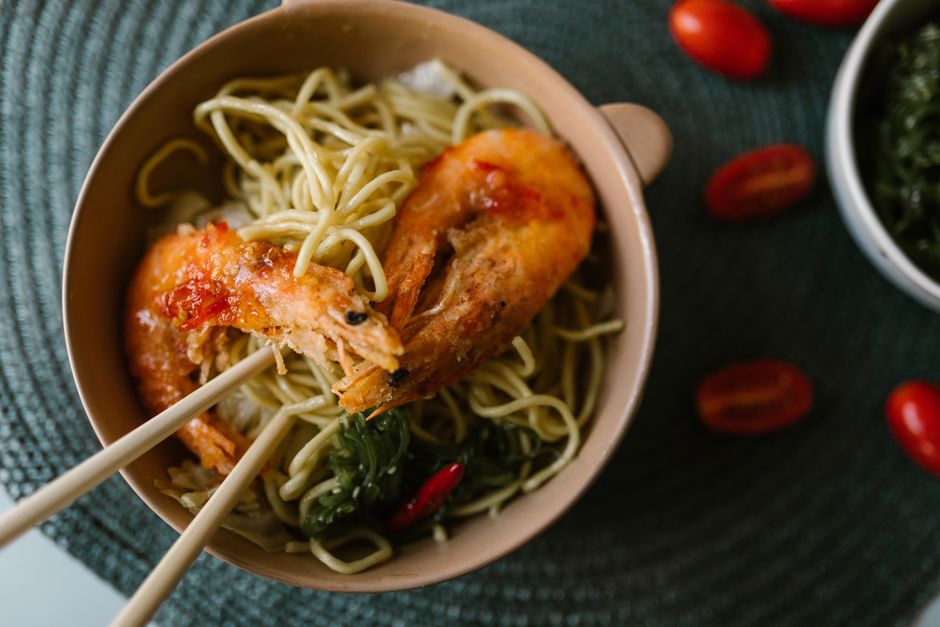
Eating raw shrimp is risky and not recommended by food safety authorities. Raw shrimp can carry harmful bacteria, viruses, and parasites that cause food poisoning. Cooking shrimp thoroughly is the only reliable way to make them safe to eat. While some dishes like shrimp ceviche use raw shrimp, the acid in citrus does not reliably kill all pathogens.
What Happens If You Eat Raw Shrimp?
Raw shrimp can make you sick. The most common result is food poisoning. Symptoms usually include nausea, vomiting, stomach cramps, and diarrhea. These symptoms can start within hours of eating contaminated shrimp.
The severity depends on the specific pathogen and your health. Most healthy adults recover in a few days. But some infections are more serious. Vulnerable groups face higher risks. This includes pregnant women, young children, older adults, and people with weakened immune systems.
Food poisoning is not the only concern. Raw shrimp can carry viruses like hepatitis A and norovirus. Hepatitis A affects the liver and can cause illness lasting weeks or months. Norovirus is highly contagious and causes sudden vomiting and diarrhea.
Why Is Raw Shrimp Dangerous?
Shrimp live in water and filter their food. This means they can pick up contaminants from their environment. Their digestive tracts can harbor bacteria that are harmful to humans.
Common bacteria found in raw shrimp include Vibrio species. Vibrio bacteria naturally live in coastal waters. Eating raw or undercooked shellfish is a known way to get a Vibrio infection. Symptoms include diarrhea, abdominal pain, and sometimes fever. In severe cases, Vibrio can cause a bloodstream infection that requires hospitalization.
Parasites are another concern. Shrimp can carry parasites like tapeworms. Freezing can kill some parasites, but not all. The FDA has specific guidelines for freezing fish to kill parasites. These guidelines apply to fish intended for raw consumption. However, freezing does not reliably kill all bacteria or viruses.
Raw shrimp also carries a higher risk of Listeria contamination. Listeria is especially dangerous for pregnant women. It can cause miscarriage, stillbirth, or severe illness in newborns.
Does Lemon Juice or Marinade Make Raw Shrimp Safe?
No. This is a common myth. Dishes like ceviche use citrus juice to “cook” raw shrimp. The acid in lemon or lime juice changes the protein structure of the shrimp. This makes the flesh opaque and firm, similar to cooking.
But acid does not kill bacteria and viruses the way heat does. Research shows that marinating seafood in citrus juice reduces some bacteria but does not eliminate them. Pathogens like Vibrio can survive in acidic conditions.
Food safety agencies do not consider acid-marinated seafood safe to eat raw. The process is visual only. The shrimp looks cooked, but it is still raw on a microbial level. If you eat ceviche made with raw shrimp, you are taking the same risks as eating raw shrimp directly.





Is It Safe to Eat Raw Shrimp in Sushi or Sashimi?
Not all sushi contains raw shrimp. In fact, most shrimp served in sushi restaurants is cooked. Ebi is the Japanese term for shrimp in sushi, and it is typically boiled or grilled. Sweet shrimp, known as amaebi, is served raw in some sushi restaurants.
If you eat raw shrimp at a reputable sushi restaurant, the risk is lower but not zero. High-quality restaurants source shrimp from suppliers who follow strict handling procedures. Some use flash-freezing methods that kill parasites. However, no method other than cooking eliminates all bacteria.
The FDA recommends that consumers not eat raw seafood, including shrimp. This applies to sushi and sashimi. If you choose to eat raw shrimp in sushi, you accept a level of risk that cannot be fully eliminated by preparation techniques.
What Does Cooked Shrimp Look Like vs. Raw Shrimp?
Knowing the difference matters for food safety at home. Raw shrimp is translucent and grayish-green or blue-gray in color. The flesh is soft and somewhat slippery. Cooked shrimp is opaque and pink or red in color. The flesh is firm and curls into a C-shape.
Undercooked shrimp is a common problem. Shrimp cooks quickly, and it can be hard to tell when it is done. A good rule is that shrimp is fully cooked when the flesh is pearly white with pink and red accents. The texture should be firm but not rubbery.
If you are cooking shrimp at home, use a food thermometer. The internal temperature should reach 145°F (63°C). This temperature kills harmful bacteria and viruses. Do not rely on color alone, as some shrimp can turn pink before reaching a safe temperature.
How to Handle and Store Raw Shrimp Safely
Safe handling reduces the risk of contamination. Keep raw shrimp refrigerated at 40°F (4°C) or below. Use it within two days of purchase. If you do not plan to cook it within two days, freeze it.
Thaw frozen shrimp in the refrigerator, not on the counter. Cold water thawing is also acceptable if the shrimp is in a sealed bag. Never thaw shrimp at room temperature. Bacteria multiply rapidly at room temperature.
Prevent cross-contamination in your kitchen. Use separate cutting boards for raw shrimp and other foods. Wash your hands, utensils, and surfaces with hot soapy water after handling raw shrimp. Do not reuse marinades that touched raw shrimp unless you boil them first.
When buying shrimp, choose it last at the grocery store. Keep it away from other foods in your cart. Place it in a plastic bag to prevent drips from contaminating other items.
Who Should Never Eat Raw Shrimp?
Some people face higher risks from foodborne illness. They should avoid raw shrimp entirely. This includes pregnant women, infants, young children, and older adults. People with weakened immune systems should also avoid it. This includes those undergoing chemotherapy, people with HIV/AIDS, and organ transplant recipients.
People with certain chronic conditions are also at higher risk. This includes liver disease, diabetes, and kidney disease. These conditions can make the body less able to fight off infections.
If you fall into any of these groups, do not eat raw shrimp. Even cooked shrimp must be handled carefully. Food poisoning that is mild for a healthy adult can be life-threatening for someone with a weakened immune system.
What Are the Symptoms of Shrimp Food Poisoning?
Symptoms vary depending on the pathogen. Common symptoms include diarrhea, vomiting, nausea, and stomach cramps. Some people develop a fever. Symptoms can appear within hours or take several days to develop.
Vibrio infections typically cause symptoms within 24 hours of eating contaminated food. Diarrhea and abdominal cramps are the most common signs. Norovirus symptoms also appear quickly, usually within 12 to 48 hours. Hepatitis A has a longer incubation period, with symptoms appearing 15 to 50 days after exposure.
Seek medical care if you experience severe symptoms. Signs of dehydration include dry mouth, decreased urination, and dizziness. Blood in the stool, high fever, or symptoms lasting more than three days require medical attention. For pregnant women, any foodborne illness warrants a call to a healthcare provider.
What Is the Safest Way to Eat Shrimp?
Cooked shrimp is safe to eat. The key is reaching the proper internal temperature. 145°F (63°C) is the safe minimum for all seafood. Shrimp cooks fast, often in just two to three minutes per side depending on size.
Boiling, grilling, sautéing, and baking are all safe cooking methods. The method matters less than the final temperature. Use a food thermometer to check the thickest part of the shrimp. The flesh should be opaque and firm throughout.
Leftover cooked shrimp should be refrigerated within two hours. Store it in an airtight container and use it within three to four days. Reheat leftovers to an internal temperature of 165°F (74°C) before eating.
Frozen cooked shrimp is a convenient alternative. It is already cooked and only needs thawing. This eliminates the risk of undercooking at home.
Frequently Asked Questions
Can you eat raw shrimp from the grocery store?
No. Raw shrimp from a grocery store is not safe to eat without cooking. It can contain bacteria, viruses, and parasites that cause food poisoning.
Is shrimp ceviche safe to eat?
Ceviche made with raw shrimp is not considered safe by food safety authorities. Citrus juice changes the texture but does not reliably kill harmful pathogens.
How can you tell if shrimp is fully cooked?
Fully cooked shrimp is opaque, pink, and firm to the touch. The internal temperature should reach 145°F (63°C) when checked with a food thermometer.
Can freezing raw shrimp make it safe to eat?
Freezing kills some parasites but does not kill all bacteria and viruses. Freezing raw shrimp does not make it safe to eat without cooking.
