
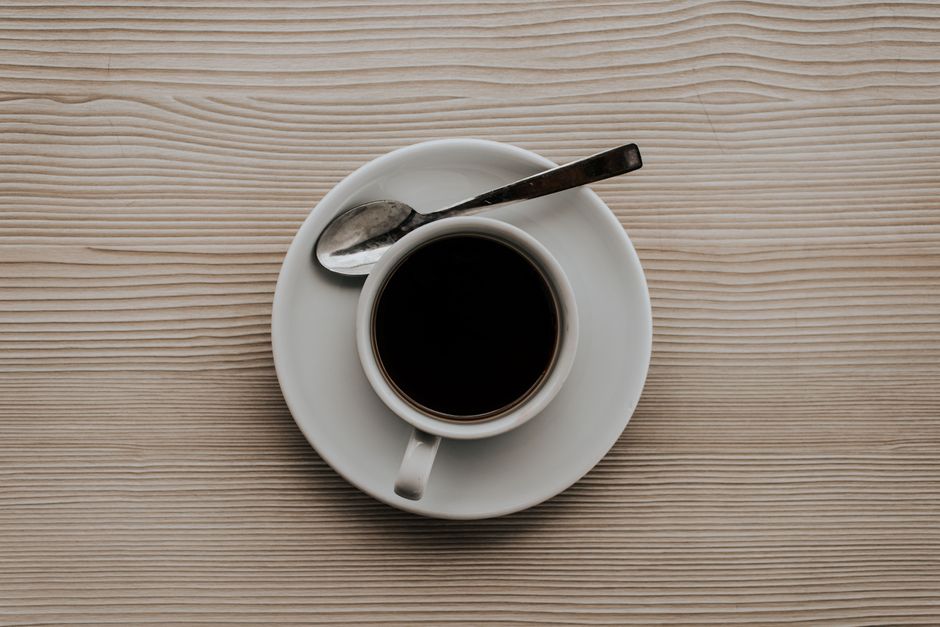
Black coffee is a near-zero-calorie beverage. A standard 8-ounce cup of black coffee brewed from ground beans contains about 2 calories. That number is so small that most nutrition labels round it down to zero. The calories change only when you add something — sugar, milk, cream, or flavored syrups. This guide explains where those few calories come from, how different brewing methods compare, and why your coffee order might not be as calorie-free as you think.
Do Black Coffee Have Calories?
Yes, black coffee has calories, but the amount is negligible. An 8-ounce cup of plain brewed coffee contains roughly 2 calories. These calories come from natural plant compounds and trace amounts of protein and oils present in the coffee bean.
The United States Department of Agriculture (USDA) lists black coffee at 2 calories per 8-ounce serving. For practical purposes, this is calorie-free. Your body burns more energy digesting the coffee than the coffee itself provides.
Where Do the Calories in Black Coffee Come From?
Coffee beans are seeds of the Coffea plant. Like all seeds, they contain stored energy in the form of carbohydrates, proteins, and fats. When you brew coffee, hot water extracts flavor compounds, caffeine, and small amounts of these macronutrients.
Most of the bean’s mass never makes it into your cup. The grounds trap the majority of the carbohydrates and oils. Only a tiny fraction dissolves into the water. That explains why the final beverage has almost no calories despite the bean being nutritious on its own.
The 2 calories in a cup come primarily from:
- Trace proteins that dissolve during brewing
- Small amounts of soluble carbohydrates
- Microscopic oil droplets from the bean
None of these contribute meaningful nutrition. Black coffee is not a food source. It is a beverage consumed for its taste and caffeine content.
Does Brewing Method Change the Calorie Count?
Different brewing methods produce slightly different calorie counts. The differences are so small they rarely matter for weight management, but they exist.
Espresso is more concentrated than drip coffee. A single 1-ounce shot of espresso contains about 1 calorie. Because you drink less volume, the total calorie intake stays similar to a cup of drip coffee.
Cold brew is made by steeping coffee grounds in cold water for 12 to 24 hours. The long steep time extracts more compounds from the beans. Some analyses show cold brew can contain slightly more calories per ounce than hot brewed coffee. The difference is still under 5 calories per 8-ounce serving.
Instant coffee is the outlier. A cup made from instant granules contains about 4 calories per 8 ounces. The processing of instant coffee concentrates more of the bean’s soluble compounds. Even so, 4 calories is still effectively zero for dietary purposes.





What Adds Calories to Coffee?
The coffee itself is not the problem. What you add to it is. A plain black coffee can become a 400-calorie beverage in under a minute.
Common additions and their approximate calorie content per serving:
- 1 tablespoon of sugar: 48 calories
- 1 tablespoon of heavy cream: 52 calories
- 2 tablespoons of whole milk: 18 calories
- 1 tablespoon of flavored syrup: 50 calories
- Whipped cream topping: 50-100 calories
A standard Starbucks Caramel Frappuccino with whipped cream contains over 400 calories. That is not coffee anymore. That is a dessert with coffee flavor.
If you drink multiple coffees per day, small additions compound. Two coffees with 2 tablespoons of cream each add over 100 calories daily. Over a year, that is roughly 10 pounds of weight gain if your activity level stays the same.
Does Black Coffee Affect Weight Loss?
Black coffee is a reasonable choice for people watching their weight. At 2 calories per cup, it does not meaningfully contribute to daily energy intake.
Caffeine may have a minor effect on metabolism. Some research suggests caffeine can slightly increase energy expenditure and fat oxidation. The effect is small and varies between individuals. Habitual coffee drinkers may develop tolerance, reducing any metabolic benefit over time.
Caffeine is also a mild appetite suppressant for some people. This effect is temporary and not reliable enough to recommend coffee as a weight loss tool.
The bigger issue is what coffee replaces. If black coffee replaces a sugary soda, you save significant calories. If it replaces water, you may become mildly dehydrated because caffeine acts as a diuretic — though regular coffee drinkers build tolerance to this effect.
Is Black Coffee Good for You?
Black coffee is one of the most studied beverages in the world. Large observational studies consistently associate moderate coffee consumption with lower risks of several chronic diseases.
Research has linked regular coffee drinking to reduced risk of type 2 diabetes, Parkinson’s disease, and liver conditions. The antioxidants in coffee, particularly chlorogenic acid, are believed to play a role in these associations.
Coffee also contains caffeine, which improves alertness, reaction time, and short-term memory. These effects are well documented in controlled trials.
Moderate consumption is generally defined as 3 to 5 cups per day. Most healthy adults tolerate this amount without significant side effects. Pregnant women should limit caffeine intake to 200 milligrams per day, which is about one 12-ounce cup of brewed coffee.
The health benefits do not apply to coffee loaded with sugar and cream. The negative metabolic effects of added calories can outweigh the benefits of the coffee itself.
Does Decaf Coffee Have Calories?
Decaf coffee has essentially the same calorie content as regular coffee. The decaffeination process removes caffeine but does not significantly change the other compounds in the bean.
An 8-ounce cup of decaf black coffee contains about 2 calories, matching regular coffee. The flavor profile differs slightly due to the chemical processing, but the nutritional profile is nearly identical.
Decaf still contains the antioxidants found in regular coffee. People who avoid caffeine for medical reasons can still get most of the plant compounds without the stimulant effect.
Should You Count Coffee Calories?
For most people, counting the 2 calories in black coffee is unnecessary. The number is below the margin of error for most food tracking apps and dietary calculations.
What matters is what you put in the cup. If you drink coffee black, you can treat it as zero calories. If you add cream and sugar, track those additions honestly.
One common mistake is ignoring coffee calories during intermittent fasting. Strict fasting protocols typically allow only zero-calorie beverages. Black coffee fits this rule because 2 calories per cup is below most fasting thresholds. Adding even a splash of milk breaks a strict fast.
The practical takeaway is simple. Black coffee is calorie-free for dietary purposes. The moment you add anything, the calorie math changes.
Frequently Asked Questions
Does black coffee break a fast?
Black coffee contains about 2 calories per cup, which is low enough that most fasting protocols allow it. Strict fasting purists may prefer to avoid it, but the metabolic impact is negligible.
How many calories are in black coffee with sugar?
One teaspoon of sugar adds 16 calories to black coffee. A typical coffee with 2 teaspoons of sugar contains about 34 calories total.
Is black coffee zero calories?
Nutrition labels often round 2 calories down to zero, but black coffee technically has about 2 calories per 8-ounce cup. For practical purposes, it is calorie-free.
Does adding milk to black coffee add calories?
Yes. A splash of whole milk adds about 9 calories per tablespoon. A typical coffee with 2 tablespoons of milk contains roughly 20 calories total.
