
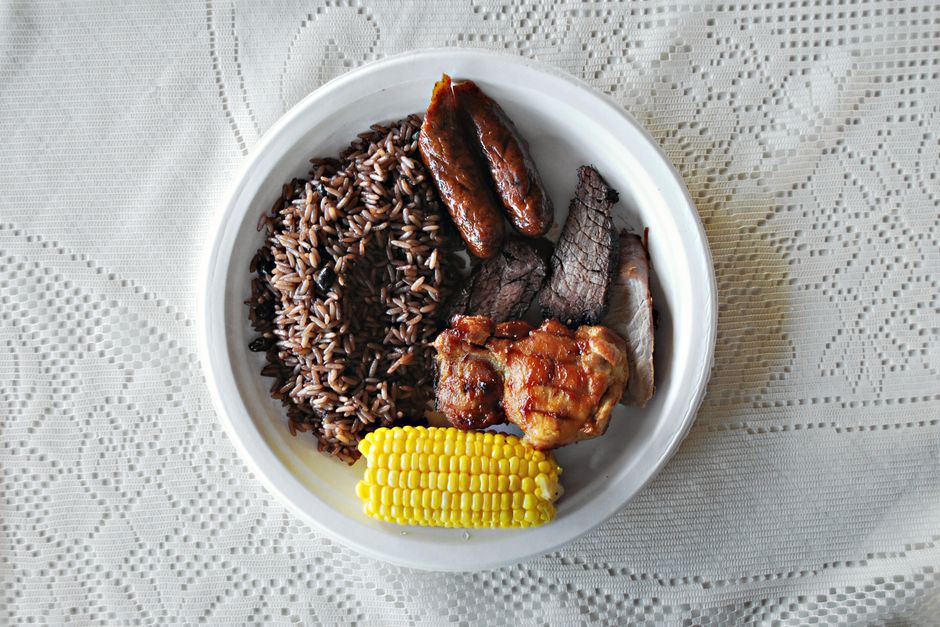
Brown rice is not a complete protein. It lacks enough of the amino acid lysine to count as one. A complete protein contains all nine essential amino acids in amounts your body needs. Brown rice has all nine, but lysine is too low. That is the simple answer. The longer answer is about how your body uses protein and why this matters less than you might think.
What Makes a Protein Complete or Incomplete
Proteins are built from amino acids. Think of them as letters that spell out different words. Your body needs 20 amino acids to build its own proteins. Nine of these are called essential because your body cannot make them. You must get them from food.
A complete protein has all nine essential amino acids in sufficient amounts. Animal foods like meat, eggs, dairy, and fish are complete proteins. Soy and quinoa are plant foods that are also complete. Most other plant proteins are incomplete. They have all the amino acids but one or more are too low.
Brown rice is low in lysine. It has plenty of the others. That single shortfall is what makes it incomplete by definition.
Why Lysine Is the Limiting Amino Acid in Brown Rice
Lysine is one of the nine essential amino acids. It plays a role in collagen formation, calcium absorption, and producing carnitine, which helps convert fat into energy. Your body needs a steady supply.
When a food is low in one essential amino acid, that amino acid is called the limiting amino acid. It limits how much protein your body can build from that food. If you ate only brown rice, your body could not make as much protein as it needs. The lysine shortage would hold everything back.
This does not mean brown rice is a poor food. It is a good source of protein for a plant food. A cup of cooked brown rice has about 5 grams of protein. But the quality of that protein is lower than the quality of protein in eggs or chicken.
Does Combining Brown Rice With Other Foods Fix the Problem
Yes. This is where the story gets practical. The old advice about protein combining has been simplified over the years, but the core idea is sound. If you eat brown rice with a food that is high in lysine, the combination can provide all nine essential amino acids in adequate amounts.
Beans are the classic pairing. Beans are low in methionine, which brown rice has enough of. Brown rice is low in lysine, which beans have plenty of. Together they cover each other’s gaps. This is why rice and beans appear in so many cuisines around the world.
You do not need to eat them in the same meal. Your body pools amino acids from foods eaten over the course of a day. Eating beans at lunch and brown rice at dinner still gives your body what it needs. The idea that you must combine proteins at every meal is outdated.



How Much Protein Do You Actually Need
The average adult needs about 0.8 grams of protein per kilogram of body weight per day. For a 150-pound person, that is about 54 grams of protein daily. This number is a minimum, not a target for optimal health. Athletes and older adults often need more.
If you eat a varied diet, getting enough protein is usually not difficult. A cup of brown rice gives you about 5 grams. A cup of black beans adds about 15 grams. A serving of chicken breast adds around 25 grams. Even if you eat mostly plants, you can meet your needs with attention to variety.
Research published in the American Journal of Clinical Nutrition has shown that plant proteins can fully support health when you eat a variety of sources. The concern about incomplete proteins is real but often overstated. Most people eat more than one source of protein in a day.
Is Brown Rice a Complete Protein Not Quite Heres Why It Still Matters
Brown rice is a staple food for billions of people. It provides energy, fiber, B vitamins, and minerals like magnesium and manganese. Its protein content is modest but meaningful. The fact that it is not a complete protein does not make it unimportant.
The distinction between complete and incomplete proteins matters most for people who rely heavily on one food. If brown rice is your primary calorie source and you eat little else, you could develop a lysine deficiency over time. This is rare in developed countries where diets are varied.
For most people, the takeaway is simple. Eat brown rice. Eat other foods too. Variety solves the amino acid problem without any complicated planning.
Other Plant Proteins That Are Complete
If you want plant proteins that are complete on their own, you have options. Soy is the most well-known. Tofu, tempeh, and edamame all come from soy and are complete proteins. Quinoa is another complete plant protein, and it cooks in about 15 minutes.
Buckwheat and hemp seeds are also complete. Amaranth, an ancient grain similar to quinoa, qualifies as well. These foods give you all nine essential amino acids without needing to combine anything.
Chia seeds are close but not quite complete. They are low in some amino acids but very high in others. Spirulina is often called complete, but it is low in methionine and cysteine. Always check the details before assuming a superfood claim is accurate.
Does Cooking or Processing Change Protein Quality
Cooking can change how much protein your body absorbs. Raw brown rice contains phytic acid, which can reduce mineral absorption. Cooking breaks down phytic acid and makes nutrients more available. This is a good thing.
Heat also denatures proteins. Denaturing changes the shape of protein molecules, which actually makes them easier to digest. Your stomach does the same thing with acid and enzymes. Cooking is not destroying protein quality. It is improving it.
Processing brown rice into white rice removes the bran and germ. This reduces fiber, vitamins, and minerals. It also reduces protein content slightly. Brown rice is the better choice nutritionally, but white rice is not empty calories. It is just less nutritious.
Practical Ways to Get Complete Protein From Plant Foods
If you eat a plant-based diet, you do not need to obsess over combining proteins at every meal. You do need to eat a variety of protein sources throughout the day. Here are some simple pairings that work well:
- Brown rice with black beans or lentils
- Brown rice with tofu or tempeh
- Brown rice with peanuts or cashews
- Brown rice with edamame and vegetables
- Brown rice with nutritional yeast, which is high in lysine
These combinations are common in cuisines around the world for good reason. They taste good together and they cover nutritional gaps. You do not need a supplement or a protein powder to make this work.
What About Protein Powders and Supplements
Brown rice protein powder exists. It is made by extracting protein from brown rice and concentrating it. Some brands add other plant proteins to make the powder complete. If a product is labeled as a complete protein, check the ingredient list for added pea protein or hemp protein.
Plain brown rice protein powder is still incomplete. It has the same lysine limitation as the whole grain. Adding it to a smoothie with peanut butter or soy milk can fix that. But if you are using it as a standalone shake, you are not getting a complete protein.
Whole foods are generally better than supplements for most people. Brown rice protein powder is convenient, but it lacks the fiber and micronutrients of the whole grain. Use it if you need convenience, but do not assume it is nutritionally equivalent to the food.
Who Should Pay More Attention to Protein Quality
Older adults need more protein to maintain muscle mass. The recommended amount rises to about 1.2 grams per kilogram of body weight for people over 65. If you are in this group and eat a plant-based diet, paying attention to protein quality matters more.
Athletes and people who do heavy strength training also need more protein. They may benefit from emphasizing complete proteins or combining incomplete ones carefully. The research on this is clear. More protein and better quality protein support muscle repair and growth.
Pregnant women and people recovering from illness or surgery also have higher protein needs. If you fall into any of these groups, talk to your doctor or a registered dietitian about your specific needs. General advice may not be enough.
Frequently Asked Questions
Is brown rice a complete protein?
No, brown rice is not a complete protein because it is too low in the essential amino acid lysine. It contains all nine essential amino acids but not enough of that one.
What should I eat with brown rice to make it a complete protein?
Beans, lentils, tofu, and peanuts are all good options because they are high in lysine. Eating any of these with brown rice covers the amino acid gap.
Do I need to combine proteins at every meal?
No, your body pools amino acids from foods eaten throughout the day. Eating a variety of protein sources across meals is sufficient.
Is quinoa better than brown rice for protein?
Quinoa is a complete protein and has more protein per serving than brown rice. Brown rice has more fiber and is less expensive, so both have a place in a healthy diet.
