
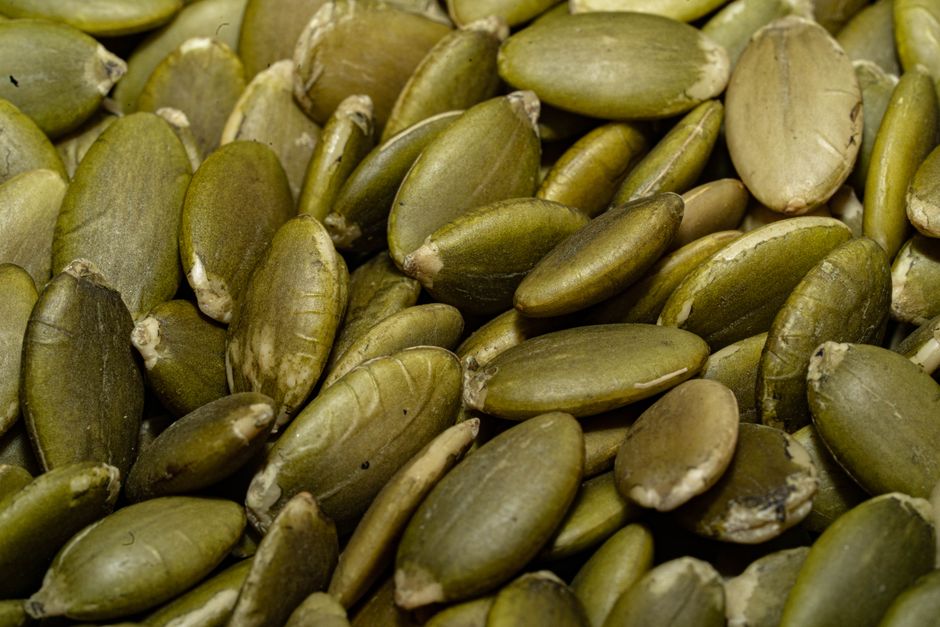
Yes, pumpkin seeds are a solid source of plant protein. A standard one-ounce serving of shelled pumpkin seeds provides about 8 to 9 grams of protein. That puts them in the same range as many nuts and makes them a useful addition to a diet that needs more protein. They deliver this protein alongside healthy fats, fiber, and several important minerals, which makes them a nutrient-dense choice rather than just a protein supplement.
Do Pumpkin Seeds Have Protein Compared to Other Seeds?
Pumpkin seeds sit near the top of the seed protein list. Hemp seeds lead the group with about 10 grams per ounce. Pumpkin seeds come next, followed by chia seeds and flaxseeds, which both provide around 5 grams per ounce. Sunflower seeds offer about 6 grams per ounce.
The protein in pumpkin seeds is not complete, meaning it does not contain all nine essential amino acids in ideal amounts. Like most plant proteins, it is lower in lysine. This matters less if you eat a varied diet. Your body combines amino acids from different foods across the day, so you do not need every meal to contain a complete protein.
What Is the Protein Content by Serving Size?
Protein amounts vary depending on how you buy them. Here is the breakdown for common forms:
- Shelled pumpkin seeds (pepitas): about 8 to 9 grams per ounce (roughly 1/4 cup)
- Whole pumpkin seeds with shells: about 5 grams per ounce
- Roasted shelled seeds: similar to raw, about 8 to 9 grams per ounce
- Pumpkin seed powder: about 15 to 20 grams per 1/4 cup, depending on the brand
The shells contain fiber but little protein. That is why whole seeds have less protein per ounce — the shell takes up weight without adding much protein. If protein is your goal, shelled seeds are the better choice.
Is Pumpkin Seed Protein a Quality Protein?
Protein quality is about amino acid profile and digestibility. Pumpkin seeds score reasonably well on both. They contain high levels of arginine and glutamic acid, which are important for various bodily functions. Arginine is a precursor to nitric oxide, a molecule that helps blood vessels relax.
The digestibility of pumpkin seed protein is good but not perfect. One review of plant protein sources found that pumpkin seed protein has a digestibility score in the moderate range. It is not as easily absorbed as whey or egg protein, but it is comparable to most other plant proteins.
One practical note: roasting can slightly reduce protein digestibility, but the difference is small. The convenience and taste of roasted seeds usually outweigh this minor loss.




What Else Do You Get With the Protein?
Pumpkin seeds are not just protein. They deliver a package of nutrients that work together:
- Magnesium: about 150 mg per ounce, which is roughly 35% of the daily value
- Zinc: about 2 mg per ounce, around 18% of the daily value for adults
- Iron: about 2.5 mg per ounce for roasted seeds
- Phosphorus: about 250 mg per ounce
- Healthy fats: mostly polyunsaturated and monounsaturated fats
- Fiber: about 1.7 grams per ounce for shelled seeds
This combination makes pumpkin seeds a good food for people who want more than just protein. The magnesium and zinc are particularly notable because many adults do not get enough of these minerals from their regular diet.
How Can You Add Pumpkin Seeds to Your Diet?
Pumpkin seeds are versatile. They work in both sweet and savory dishes without much effort. Here are practical ways to use them:
Sprinkle them over salads for crunch. Blend them into smoothies — they add protein and a mild nutty flavor without changing the texture much. Stir them into oatmeal or yogurt. Use them as a crust for fish or chicken. Add them to homemade granola or trail mix.
Pumpkin seed powder is a different option. It is made by grinding the seeds into a fine flour. You can mix it into pancake batter, soups, or sauces to boost protein content. The powder has a stronger, earthier taste than whole seeds, so start with small amounts.
One caution: pumpkin seeds are calorie-dense. An ounce contains about 160 calories. They are a healthy food, but portion control matters if you are watching your weight. A small handful is a reasonable serving.
Are Roasted or Raw Pumpkin Seeds Better for Protein?
Both forms provide similar protein. The main difference is not protein but how they are prepared. Raw seeds retain all their natural nutrients. Roasted seeds may lose a small amount of heat-sensitive vitamins, but the protein and minerals stay largely intact.
Watch out for flavored or seasoned varieties. Some commercial roasted pumpkin seeds are coated with salt, sugar, or artificial flavors. These additions do not change the protein content, but they add sodium or sugar that you may not want. Check the ingredient list. Plain roasted seeds with no added ingredients are the safest choice.
If you roast them at home, keep the temperature moderate. High heat for a long time can reduce the quality of the fats in the seeds. A light roast at around 300°F for 15 to 20 minutes is enough to bring out their flavor.
Do Pumpkin Seeds Help With Muscle Building?
Pumpkin seeds can contribute to muscle building, but they are not a complete solution. The protein they provide is useful, especially for plant-based eaters. However, as noted earlier, the amino acid profile is not complete. Lysine is the limiting amino acid.
To build muscle effectively, combine pumpkin seeds with other protein sources. Legumes, quinoa, and dairy products complement the amino acid profile of pumpkin seeds well. For example, a salad with pumpkin seeds and chickpeas provides a more complete amino acid mix than either food alone.
For athletes and active people, pumpkin seeds are best viewed as a supporting food rather than the main protein source. They work well as a snack between meals or added to a post-workout meal that already contains a complete protein.
Are There Any Downsides to Pumpkin Seed Protein?
Pumpkin seeds are safe for most people. Allergies are rare but possible. If you have a known allergy to other seeds, introduce pumpkin seeds cautiously.
Phytic acid is one consideration. Like many seeds and nuts, pumpkin seeds contain phytic acid, which can bind to minerals and reduce their absorption. This is rarely a problem in a varied diet. Soaking or roasting the seeds reduces phytic acid content and improves mineral absorption.
For people on blood thinners, the vitamin K content in pumpkin seeds is worth noting. Pumpkin seeds contain a moderate amount of vitamin K, which plays a role in blood clotting. If you take warfarin or other blood thinners, keep your intake consistent rather than suddenly increasing it.
Frequently Asked Questions
How much protein is in a handful of pumpkin seeds?
A one-ounce handful of shelled pumpkin seeds contains about 8 to 9 grams of protein. That is roughly a quarter cup or about 85 whole seeds.
Are pumpkin seeds a complete protein?
No, pumpkin seeds are not a complete protein because they are low in the amino acid lysine. Eating them with other protein sources like legumes or dairy covers this gap.
Can you eat pumpkin seeds every day?
Yes, daily consumption is safe for most people. Stick to a one-ounce serving to keep calories in check and vary your protein sources throughout the day.
Is pumpkin seed protein better than whey protein?
Neither is inherently better — they serve different purposes. Whey is a complete protein with higher digestibility, while pumpkin seed protein offers plant-based protein plus minerals like magnesium and zinc that whey does not provide.
