
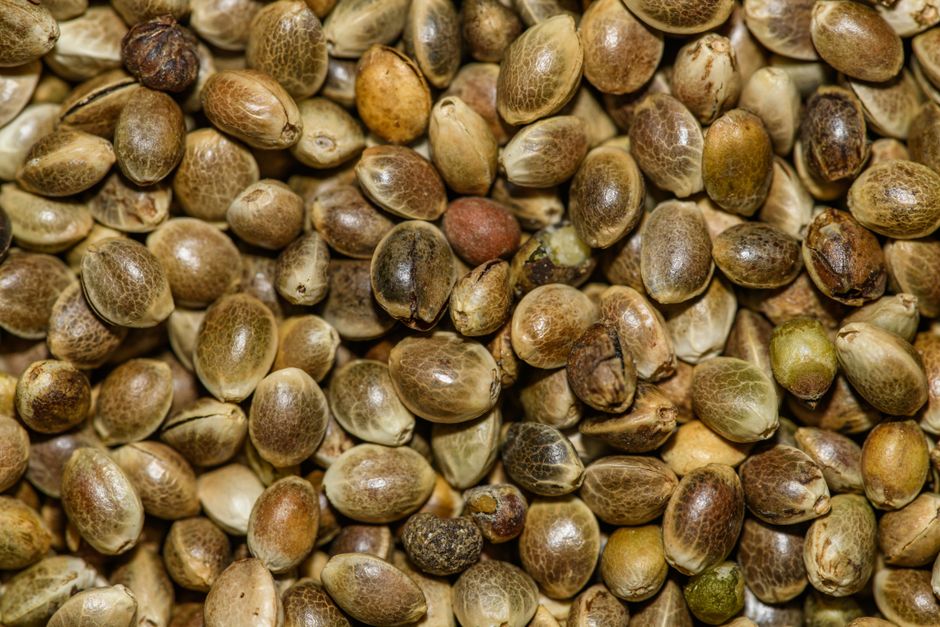
Hemp seeds are one of the few plant foods that deliver protein in a form your body can use efficiently. Yes, hemp seeds have protein — about 9 to 10 grams in a 3-tablespoon serving of hulled hemp hearts. That is roughly the protein in one and a half large eggs, or a cup of milk. The protein is complete, meaning it supplies all nine essential amino acids your body cannot make on its own.
Hulled hemp seeds — often sold as hemp hearts — are the soft inner kernel with the hard shell removed. That is the form most people eat and the form the nutrition numbers below refer to.
How Much Protein Is in Hemp Seeds?
A 3-tablespoon serving of hulled hemp hearts contains around 9 to 10 grams of protein. That serving weighs about 30 grams, which puts hemp seeds at roughly 30 to 33 percent protein by weight. Whole hemp seeds with the shell still on contain less usable protein because the shell is largely fiber and passes through undigested.
For context, here is how hemp hearts compare to other common protein sources per typical serving:
| Food | Serving | Protein |
|---|---|---|
| Hemp hearts | 3 tbsp (30 g) | ~9–10 g |
| Chia seeds | 2 tbsp (28 g) | ~5 g |
| Flax seeds (ground) | 2 tbsp (14 g) | ~3 g |
| Almonds | 1 oz (28 g) | ~6 g |
| Lentils (cooked) | 1 cup | ~18 g |
| Chicken breast (cooked) | 3 oz | ~26 g |
Hemp holds its own against other seeds and nuts. It does not match legumes or animal foods gram for gram, but it is a concentrated source for something you sprinkle on food rather than build a meal around.
Is Hemp Protein a Complete Protein?
Yes. Hemp seed protein contains all nine essential amino acids, which makes it a complete protein. That puts it in a small group of plant foods that includes soy, quinoa, and buckwheat.
The amino acid profile matters because your body needs all nine in the right proportions to build and repair tissue. Most plant proteins fall short on one or more — lysine is a common gap in grains, methionine in legumes. Hemp covers both.
One honest caveat: complete does not mean identical to animal protein. Hemp is relatively lower in lysine than some animal sources, though it still contains enough to meet human requirements when eaten as part of a normal diet. The digestibility of hemp protein is also somewhat lower than that of animal proteins, meaning your body absorbs a bit less of what the label lists. This is true of most plant proteins and is not a reason to avoid them — it is a reason not to treat label grams as perfectly interchangeable across all foods.
What Kind of Protein Is in Hemp Seeds?
Hemp protein is built mainly from two storage proteins called edestin and albumin. Edestin makes up the larger share and is a globulin-type protein. Albumin is a smaller, water-soluble protein.
These are the same broad protein families found in many seeds. What sets hemp apart is the balance of amino acids within them, particularly the presence of adequate lysine and the sulfur-containing amino acids methionine and cysteine.
Hemp protein is not a single substance you can isolate cleanly. When you eat hemp hearts, you eat the whole seed kernel — protein, fat, fiber, and minerals together. That matters, because the fat and fiber change how the protein is digested and how full you feel afterward.





Does Hemp Seed Protein Build Muscle?
Protein from hemp can support muscle maintenance and growth, but the evidence that it does so as well as animal protein is limited. The amino acids are there. Whether the body uses them as efficiently for muscle building is a separate question that has not been settled by large human trials.
Muscle protein synthesis depends on getting enough total protein across the day, enough of the amino acid leucine at each meal, and resistance training to signal the muscle to rebuild. Hemp protein is lower in leucine than whey or soy. That does not make it useless — it means a single small serving of hemp hearts may not trigger a strong muscle-building signal on its own.
If your goal is muscle gain, hemp works as one part of a higher total protein intake, not as a standalone replacement for a concentrated protein source. If your goal is general health and you eat a varied diet, hemp contributes meaningfully without needing to do all the work.
How Does Hemp Protein Compare to Other Plant Proteins?
Hemp sits in the middle of the plant protein pack. It beats most nuts and seeds on protein density. It trails soy and pea protein isolates, which are more concentrated and higher in leucine.
- Soy — complete protein, higher leucine, more studied for muscle.
- Pea — slightly lower in methionine, often blended with rice to fill the gap.
- Hemp — complete on its own, milder taste, comes with healthy fats.
- Rice — low in lysine, usually paired with a legume.
The practical difference between these is smaller than marketing suggests. If you eat enough total protein from a mix of sources, the specific seed or isolate matters far less than the total amount and the training that goes with it.
What Else Comes With Hemp Seed Protein?
Hemp hearts are not just protein. That same 3-tablespoon serving brings a meaningful amount of healthy fat, including omega-3 and omega-6 fatty acids, plus fiber and minerals like magnesium, phosphorus, and zinc.
The fat content is worth knowing. Hemp hearts are roughly 30 percent fat by weight, mostly polyunsaturated. That is a good thing for heart health in the context of an overall balanced diet, but it also means hemp hearts are calorie-dense. A 3-tablespoon serving runs around 160 to 170 calories. If you are watching calories, portion size matters.
One point people often miss: hemp seeds and hemp hearts contain only trace amounts of THC, the compound in marijuana that causes a high. Eating hemp seeds will not make you fail a standard drug test in most cases, though extremely high intakes of certain hemp products have occasionally been linked to positive results. The seeds themselves are not a psychoactive food.
How Should You Use Hemp Seeds for Protein?
Hemp hearts need no cooking and no soaking. You can eat them straight from the bag. That convenience is a large part of why they have become popular.
Common ways to use them:
- Stirred into yogurt, oatmeal, or smoothies.
- Sprinkled over salads, roasted vegetables, or grain bowls.
- Blended into soups or sauces for thickness and protein.
- Baked into breads and energy bars.
Because the protein is spread across whatever you add them to, hemp hearts rarely make a meal high-protein on their own. They raise the protein content of a dish. If you need a full protein serving, you need a larger amount or an additional source.
Store hemp hearts in the refrigerator after opening. Their polyunsaturated fats can go rancid over time at room temperature, and the seeds last longer cold.
Who Might Benefit Most From Hemp Protein?
Hemp seeds are useful for people who eat plant-based diets and want a complete protein that is easy to add. They are also handy for anyone who wants more protein without cooking meat or mixing a powder.
They are not a good fit for someone relying on a single food to hit a high protein target. Hemp is a contributor, not a workhorse. For people with a hemp or seed allergy, they should be avoided — seed allergies are uncommon but real.
For most healthy adults, hemp seeds are a safe and nutritious food. The main caution is calorie density, not safety. If you have a medical condition that requires a specific protein intake, talk with your clinician or a dietitian about how hemp fits into your plan rather than guessing from a label.
Frequently Asked Questions
How much protein is in 3 tablespoons of hemp seeds?
About 9 to 10 grams of protein in 3 tablespoons of hulled hemp hearts, which weigh roughly 30 grams. Whole hemp seeds with the shell contain less usable protein.
Are hemp seeds a complete protein?
Yes, hemp seeds contain all nine essential amino acids, making them a complete protein. They are one of a small number of plant foods that do this on their own.
Is hemp protein as good as whey for building muscle?
The evidence is limited, and hemp is lower in leucine than whey. It can support muscle as part of a higher total protein intake but has not been shown in large trials to match whey for muscle building.
Can hemp seeds replace meat as a protein source?
Hemp can contribute to your protein intake but is not a direct gram-for-gram replacement for meat. You would need larger amounts or additional protein sources to match a typical meat serving.
