
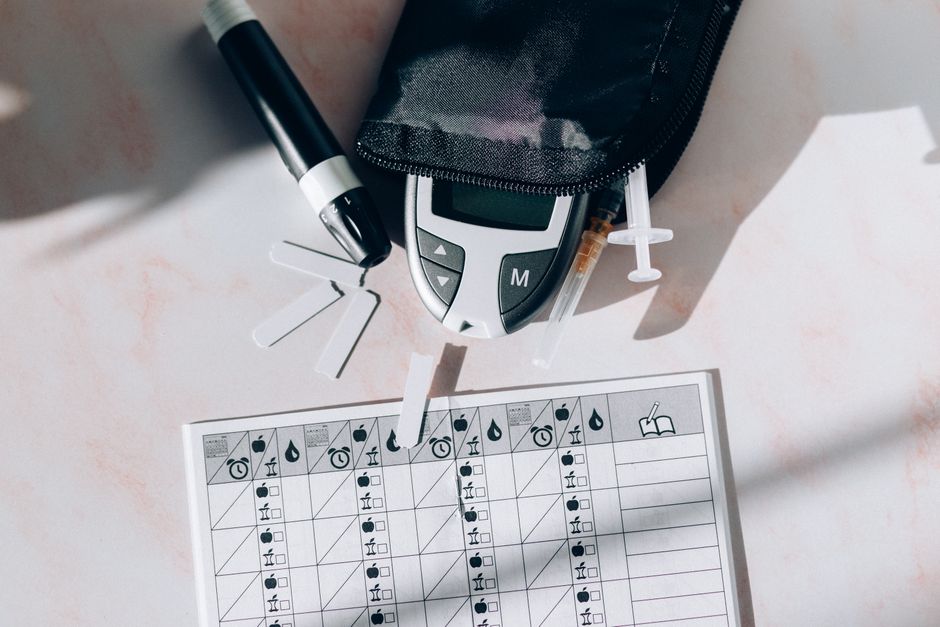
Glucose spikes do not directly cause weight gain. Weight gain happens when you consistently eat more calories than your body burns over time. A glucose spike is a normal physiological event — your blood sugar rises after eating, insulin is released, and cells take in glucose for energy. The spike itself is not the problem. What matters is what drives the spike, how often it happens, and what else you’re eating alongside it.
Do Glucose Spikes Cause Weight Gain The Real Answer?
The short answer is no — not directly. A glucose spike after a meal is a normal, healthy response. Your blood sugar rises, your pancreas releases insulin, and that insulin helps move glucose into your cells where it’s used for energy or stored as glycogen in your liver and muscles.
Weight gain requires a sustained calorie surplus. If you eat more energy than your body uses over weeks and months, you store the excess — primarily as fat. A glucose spike from a single meal does not create that surplus on its own.
That said, the types of food that tend to cause rapid, large glucose spikes are often the same foods that are easy to overeat. Refined carbohydrates and sugary foods digest quickly, spike blood sugar fast, and don’t keep you full for long. So the spike isn’t causing weight gain through some direct hormonal mechanism — but the eating pattern behind repeated spikes can contribute to a calorie surplus.
Insulin does play a role in fat storage. It signals your body to store energy rather than release it. But insulin levels rise in response to eating in general, not just to glucose spikes. Protein and fat also trigger insulin release. The idea that insulin spikes from glucose alone are driving an obesity epidemic is a hypothesis, not an established fact. The evidence is mixed and the research is ongoing.
What Actually Happens When Your Blood Sugar Spikes?
After you eat carbohydrates, your digestive system breaks them down into glucose, which enters your bloodstream. Blood sugar rises. In response, your pancreas releases insulin. Insulin acts like a key, allowing glucose to enter muscle, liver, and fat cells.
In people without diabetes, this system works efficiently. Blood sugar returns to baseline — typically 70-99 mg/dL fasting — within about two hours after eating. The spike is temporary and the system self-corrects.
The size and speed of the spike depends on several things:
- The type of carbohydrate — refined starches and sugars digest faster than whole grains, legumes, and vegetables
- What else is in the meal — protein, fat, and fiber slow digestion and blunt the spike
- How much you eat — a larger carbohydrate load produces a larger rise
- Your individual metabolism, activity level, and insulin sensitivity
A spike is not inherently harmful. Even people with excellent metabolic health experience post-meal glucose rises. The concern is more about how frequently and how high blood sugar rises over years, particularly in the context of insulin resistance.
Does Insulin Resistance Change the Picture?
Insulin resistance is where the relationship between glucose and weight gets more complicated. When cells become less responsive to insulin, the pancreas compensates by producing more of it. Blood sugar may stay elevated longer after meals, and fasting glucose may creep up.
Obesity is strongly associated with insulin resistance. But the direction of causation is debated. Does insulin resistance cause weight gain, or does weight gain cause insulin resistance? The evidence points in both directions, and researchers have not settled on a single answer.
What is well established: excess body fat — particularly visceral fat around the organs — promotes insulin resistance. And insulin resistance is a hallmark of type 2 diabetes. This is a bidirectional relationship, not a simple one-way street.
For someone with insulin resistance, repeated large glucose spikes may contribute to a cycle that makes weight management harder. But the spike itself is still not the direct cause of fat gain. The broader metabolic picture — including total calorie intake, physical activity, sleep, stress, and genetics — matters more.





Why the “Glucose Spike” Narrative Went Viral
Continuous glucose monitors (CGMs) became popular outside of diabetes care in recent years. People without diabetes started wearing them to see how their blood sugar responds to different foods. Watching your glucose spike after a bowl of white rice can be alarming if you don’t understand what you’re looking at.
A spike looks dramatic on a chart. It feels like something is going wrong. But for most healthy people, it isn’t. The monitor is showing a normal physiological process.
The viral narrative often implies that preventing spikes — through food ordering, walking after meals, or specific supplements — will prevent weight gain or promote weight loss. No large clinical trials have confirmed that spike prevention alone produces meaningful weight loss in people without diabetes.
Some studies suggest that minimizing large glucose excursions may have metabolic benefits, particularly for people with prediabetes or insulin resistance. But the evidence is not strong enough to claim that avoiding spikes is a weight-loss strategy for the general population.
This is a case where a real physiological measurement has been attached to an oversimplified story. Glucose matters. But it’s one piece of a much larger picture.
What Actually Drives Weight Gain?
Weight gain comes down to energy balance over time. Eat more calories than you burn, and you gain weight. Eat fewer, and you lose it. This is well established.
But energy balance is influenced by many factors that make it harder or easier to stay in balance:
- Food environment — highly palatable, calorie-dense foods are easy to overeat
- Physical activity — movement burns calories and supports metabolic health
- Sleep — poor sleep affects hunger hormones and food choices
- Stress — chronic stress can drive eating and affect metabolism
- Genetics — influence appetite, fat distribution, and metabolic rate
- Medications — some prescription drugs promote weight gain
- Medical conditions — hypothyroidism, PCOS, and others can affect weight
Glucose spikes are not on this list as a direct cause. They are a consequence of eating, not a driver of weight gain independent of calorie intake.
However, the foods that spike blood sugar fastest tend to be the same foods that are low in fiber, low in protein, and easy to consume in large amounts. A breakfast of white toast and orange juice spikes blood sugar and leaves you hungry an hour later. A breakfast of eggs, vegetables, and whole grains produces a gentler rise and keeps you full longer.
The difference in weight gain isn’t the spike. It’s the hunger, the subsequent eating, and the total calories consumed over the day.
Should You Try to Prevent Glucose Spikes?
For most healthy people, no. Chasing flat glucose curves is not necessary and may not provide meaningful benefit. The body is designed to handle post-meal glucose rises.
For people with prediabetes, type 2 diabetes, or diagnosed insulin resistance, managing post-meal glucose is part of standard care. But that management is guided by clinical targets — not by trying to eliminate all spikes.
If you’re curious about your own glucose response, a few evidence-based approaches can help:
- Eat protein and fiber with carbohydrate-rich meals to slow digestion
- Take a short walk after eating — muscle activity helps clear glucose from the blood
- Choose whole grains, legumes, and vegetables over refined starches when possible
- Prioritize sleep and manage stress — both affect glucose regulation
None of these are weight-loss miracles. They support overall metabolic health, which in turn makes weight management easier.
What does not have strong evidence: expensive supplements marketed to “block glucose spikes,” special food-ordering hacks, or wearing a CGM if you don’t have diabetes or a diagnosed glucose disorder. These may be harmless, but they are not proven to produce weight loss.
Frequently Asked Questions
Can a glucose spike turn into fat immediately?
No. A single glucose spike does not immediately become stored fat. Fat storage happens when you consistently eat more calories than you burn over time, not from one meal.
Do I need a continuous glucose monitor to lose weight?
No. There is no clinical evidence that using a CGM helps people without diabetes lose weight. If you have diabetes or prediabetes, your doctor may recommend one as part of your treatment plan.
Are glucose spikes bad for you?
For most healthy people, post-meal glucose spikes are normal and not harmful. They become a concern when blood sugar stays elevated over time, which is more common in insulin resistance and diabetes.
Does eating sugar at night cause more weight gain?
Total calorie intake matters more than timing. Some research suggests that eating later in the day may affect metabolism differently, but the evidence is not strong enough to say that nighttime sugar causes more weight gain than sugar eaten earlier.
