
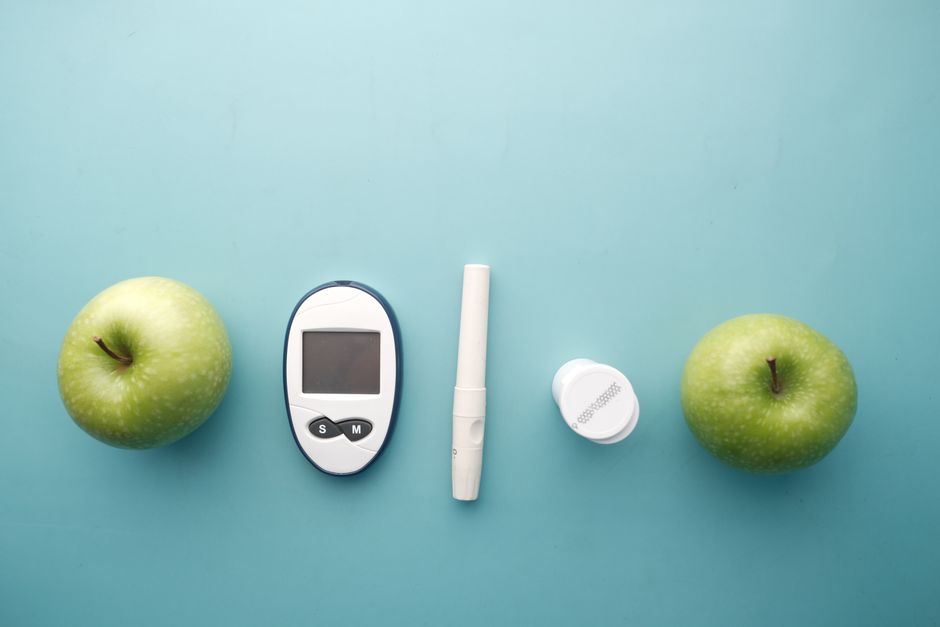
A blood glucose level is the amount of sugar in your blood at a single moment. It is measured in milligrams per deciliter (mg/dL) in the US. A normal fasting glucose level is below 100 mg/dL, while a level of 126 mg/dL or higher on two separate tests indicates diabetes. These numbers tell you how well your body processes sugar for energy, and they are the standard way doctors screen for and monitor diabetes and prediabetes.
What Do the Numbers on a Glucose Meter Actually Measure?
Your blood glucose number measures the concentration of glucose circulating in your bloodstream. Glucose is the primary fuel for your brain, muscles, and organs. After you eat, carbohydrates break down into glucose, which enters your blood. Your pancreas releases insulin, a hormone that signals cells to absorb that glucose for energy.
The number on your meter reflects the balance between glucose entering your blood and glucose being taken up by your cells. If that system works well, your levels stay in a tight range. If insulin does not work properly or the pancreas cannot produce enough, glucose builds up in the blood and the numbers rise.
This is not a static number. It changes throughout the day based on meals, activity, stress, and even sleep. A single reading is a snapshot, not a full picture. Doctors use multiple readings over time to understand your overall glucose control.
What Is a Normal Blood Sugar Range by Time of Day?
Doctors look at two main time points when evaluating glucose levels: fasting and post-meal. Fasting means you have not eaten for at least 8 hours. Post-meal readings are typically taken 1 to 2 hours after the start of a meal.
For people without diabetes, the standard reference ranges are:
- Fasting (no food for 8 hours): 70 to 99 mg/dL
- 1 to 2 hours after a meal: less than 140 mg/dL
- Random reading (any time of day): usually below 140 mg/dL
A fasting level between 100 and 125 mg/dL is considered impaired fasting glucose, which is another name for prediabetes. A fasting level of 126 mg/dL or higher on two separate occasions meets the diagnostic criteria for diabetes. These thresholds come from the American Diabetes Association and are used consistently in clinical practice.
One important detail: these ranges apply to people without diabetes. If you have diabetes, your target range may be different. Your doctor sets individual goals based on your age, health status, and history of severe low blood sugar.
What Does a High Glucose Level Mean?
A high glucose level means your body is not moving sugar out of the blood efficiently. This can happen for several reasons. The most common is insulin resistance, where cells stop responding normally to insulin. The pancreas works harder to produce more insulin, but eventually it may not keep up.
Another cause is insufficient insulin production. In type 1 diabetes, the immune system destroys the cells that make insulin. In type 2 diabetes, insulin resistance combines with declining insulin production over time.
High glucose levels matter because they damage blood vessels over time. This damage affects the eyes, kidneys, nerves, and heart. The higher the level and the longer it stays high, the greater the risk. This is why the hemoglobin A1c test, which measures average glucose over about 3 months, is such a useful tool. It captures chronic elevation rather than a single moment.
Acute high glucose, called hyperglycemia, can cause symptoms like increased thirst, frequent urination, fatigue, and blurred vision. Extremely high levels, generally above 300 mg/dL, require medical attention and can lead to a serious condition called diabetic ketoacidosis, particularly in type 1 diabetes.


What Does a Low Glucose Level Mean?
A low glucose level is called hypoglycemia. It is generally defined as a reading below 70 mg/dL. For people on insulin or certain diabetes medications, this is a common and potentially dangerous event.
Symptoms of low blood sugar include shakiness, sweating, confusion, irritability, and a rapid heartbeat. If glucose drops too low, the brain does not get enough fuel, which can lead to seizures or loss of consciousness. This is a medical emergency that requires immediate treatment with fast-acting carbohydrates like juice, glucose tablets, or candy.
For people without diabetes, true hypoglycemia is rare. A reading below 70 mg/dL in someone not taking glucose-lowering medication warrants investigation. It can be caused by certain medications, severe illness, hormone deficiencies, or rarely, an insulin-producing tumor. If you experience repeated low readings without diabetes medication, discuss this with your doctor rather than self-treating.
How Do Doctors Diagnose Diabetes Using These Numbers?
Doctors use specific blood tests to diagnose diabetes and prediabetes. These tests are standardized, and the criteria are well established in clinical guidelines.
The four main diagnostic tests are:
- Fasting plasma glucose: A level of 126 mg/dL or higher indicates diabetes. A level of 100 to 125 mg/dL indicates prediabetes.
- Oral glucose tolerance test: You drink a sugary solution, and blood is drawn 2 hours later. A level of 200 mg/dL or higher indicates diabetes. A level of 140 to 199 mg/dL indicates prediabetes.
- Hemoglobin A1c: This reflects average blood glucose over the past 2 to 3 months. A result of 6.5% or higher indicates diabetes. A result of 5.7% to 6.4% indicates prediabetes.
- Random plasma glucose: A level of 200 mg/dL or higher along with symptoms of high blood sugar indicates diabetes.
For any of these tests except the random glucose test, an abnormal result must be confirmed with a second test on a different day. A single abnormal reading is not enough for a diabetes diagnosis. This prevents misdiagnosis from temporary elevations caused by stress, illness, or recent food intake.
Why Do Glucose Numbers Vary So Much From Person to Person?
Glucose levels are not a one-size-fits-all number. Several factors influence your readings beyond just what you eat. Physical activity lowers glucose because working muscles absorb sugar without needing as much insulin. Stress raises glucose because stress hormones like cortisol signal the liver to release stored sugar. Even a poor night of sleep can increase insulin resistance the next day.
Illness also affects glucose. Infections, surgery, or any significant physical stress can push levels up. This is why people with diabetes often see higher readings when they are sick. Some medications, including steroids and certain diuretics, can also raise glucose levels.
Age plays a role too. Older adults may have higher post-meal spikes than younger people due to age-related changes in insulin sensitivity. However, doctors do not use a different set of diagnostic thresholds for older adults. The criteria for diagnosing diabetes are the same regardless of age, though treatment targets may be adjusted.
What Should You Do If Your Numbers Are Outside the Normal Range?
If you get a single high reading on a home glucose meter, do not panic. Home meters have a margin of error, and a single reading can be affected by what you ate, how recently you ate, or even whether you washed your hands before testing. A finger contaminated with food residue can produce a falsely high reading.
If you see a fasting level above 100 mg/dL or an A1c above 5.7%, schedule an appointment with your doctor. They will repeat the test to confirm the result. Do not attempt to self-diagnose or self-treat based on home monitoring alone.
If your reading is below 70 mg/dL and you feel symptoms, treat it immediately with 15 grams of fast-acting carbohydrate. Recheck your glucose after 15 minutes. If it is still low, treat again. If you are unconscious or unable to swallow, someone should call emergency services. This is not a situation to wait out.
For elevated readings without symptoms, the evidence is clear that early intervention works. Lifestyle changes such as increased physical activity, weight loss if needed, and dietary adjustments can reverse prediabetes in many cases. Some research shows that losing 5% to 7% of body weight can significantly reduce the risk of progressing from prediabetes to diabetes.
Can You Trust Home Glucose Meters?
Home glucose meters are reliable enough for daily management but not for diagnosis. They are approved for monitoring trends, not for establishing whether you have diabetes. The FDA requires home meters to be accurate within 15% of lab values, but real-world performance varies.
Several factors affect meter accuracy. Test strips can expire or be damaged by heat and humidity. Blood sample size matters, and too small a sample gives an inaccurate reading. Coding errors, where the meter is not matched to the test strip batch, were a common problem with older meters. Most modern meters are auto-coded, but it is worth verifying.
If your home meter gives a reading that does not match how you feel, or if you get an unexpected high or low result, recheck with a fresh strip. If the second reading confirms the first, follow your care plan. If you do not have a care plan, contact your doctor.
Frequently Asked Questions
What is the normal blood glucose level for a healthy adult?
A normal fasting glucose level is between 70 and 99 mg/dL. Two hours after a meal, a healthy level is below 140 mg/dL.
Is 100 mg/dL blood sugar a sign of diabetes?
No, a single fasting reading of 100 mg/dL is not diabetes. It falls in the prediabetes range of 100 to 125 mg/dL and should be discussed with your doctor.
What glucose level is considered dangerously high?
Readings consistently above 300 mg/dL are considered dangerously high and require medical attention. Levels above 600 mg/dL can lead to a life-threatening condition called hyperosmolar hyperglycemic state.
How often should you check your blood sugar if you are prediabetic?
There are no standard guidelines for daily home monitoring in prediabetes. Your doctor will typically check your blood work, including A1c, every 3 to 6 months to track progress.
