
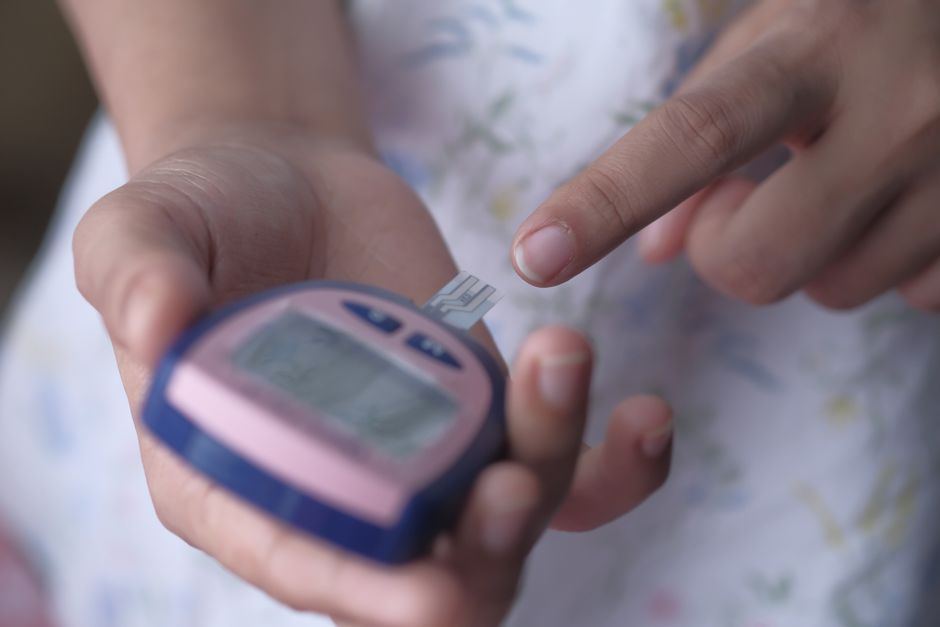
Blood glucose monitors are not one-size-fits-all, and neither are their price tags. A traditional fingerstick meter can cost as little as $10 to $20 at a pharmacy, while a continuous glucose monitor (CGM) system typically costs between $150 and $300 per month without insurance. The real cost difference comes down to ongoing supplies, sensors, and whether your health plan covers the device. Here is a clear breakdown of what you will actually pay for both options.
What Is the Upfront Cost of a Traditional Glucose Meter?
The meter itself is the cheapest part of the whole setup. Most basic blood glucose meters retail for $10 to $25. Some pharmacies even give them away free with a prescription. Manufacturers often sell the meter at a loss because they make their money on the test strips.
You do not need a prescription to buy a meter. They are available over the counter at most drugstores, big-box retailers, and online. The meter is a one-time purchase unless you want a model with more features like Bluetooth connectivity or a larger display screen.
Higher-end meters with color screens, backlights, and smartphone apps can run $30 to $60. But the accuracy of a $15 meter is generally comparable to a $50 meter. The FDA regulates all of them to meet the same accuracy standards, so you are mostly paying for convenience features, not better readings.
How Much Do Test Strips and Lancets Cost?
This is where the real cost of a traditional meter adds up. Test strips are sold in boxes of 50 or 100. A box of 50 generic strips typically costs $15 to $25. Name-brand strips like those from OneTouch or Accu-Chek can cost $30 to $50 for the same count.
If you test four times per day, that is about 120 strips per month. At generic prices, that is roughly $40 to $60 per month. At name-brand prices, it can climb to $70 to $120 per month. Lancets and lancing devices are cheap — usually $5 to $10 for a box of 100 lancets.
Some insurance plans cover test strips, but coverage varies widely. Medicare Part B covers glucose test strips for people with diabetes who require them. Many private plans cover a limited number of strips per month, often 100 to 200, depending on how often your doctor says you need to test.
What Does a Continuous Glucose Monitor (CGM) Cost?
A CGM is a completely different pricing model. You do not buy the device outright in most cases. Instead, you pay for a sensor that lasts 7 to 14 days, plus a transmitter that lasts 3 to 6 months.
The sensor is the main recurring cost. For the two most common CGM brands, a single sensor costs about $35 to $70 without insurance. Most people need 2 to 4 sensors per month, which adds up to $140 to $280 per month. Some systems require a separate transmitter that costs $100 to $300 every few months.
The receiver or smartphone app is often included or free with a prescription. Most modern CGM systems display readings directly on your phone, so there is no separate receiver to buy.
Without insurance, the annual cost of a CGM can easily reach $2,500 to $4,000. That is a significant jump from the $500 to $800 per year you might spend on strips for a traditional meter.




How Much Does Insurance Cover for CGMs?
Insurance coverage for CGMs has improved significantly in recent years. Medicare Part B covers CGMs for people with diabetes who meet specific criteria, including using insulin and checking blood sugar multiple times per day. Most private insurers follow similar guidelines.
When insurance covers a CGM, your out-of-pocket cost depends on your plan. Many people pay a copay of $20 to $75 per month for CGM supplies. Some plans cover the sensors at 100% after you meet your deductible. Others require you to pay a percentage of the cost, which could be 20% to 40% of the retail price.
It is worth noting that insurance approval often requires a prior authorization. Your doctor must document that you have diabetes and explain why a CGM is medically necessary. This process can take a few days to a few weeks.
Are There Cheaper CGM Options?
Yes, but they require some shopping around. Some CGM manufacturers offer patient assistance programs for people without insurance or with high out-of-pocket costs. These programs can reduce the monthly cost to $50 to $100 in some cases.
Generic or store-brand CGM sensors are not widely available yet. The CGM market is still dominated by a few major brands, and there is no true generic equivalent at this time. Some newer CGM systems have lower list prices, but they may not be covered by all insurance plans.
Another option is to use a CGM intermittently rather than continuously. Some people wear a sensor for 10 days, take a break for a few weeks, and then start a new sensor. This can cut the annual cost roughly in half, though it means you will not have continuous data during the off periods.
How Much Does a Glucose Monitor Cost: Meters vs CGMs Side by Side
| Cost Component | Traditional Meter | CGM |
|---|---|---|
| Upfront device cost | $10–$60 | Often free with prescription or included |
| Monthly supplies | $40–$120 (strips + lancets) | $140–$280 (sensors + transmitter) |
| Annual cost without insurance | $500–$1,200 | $2,500–$4,000 |
| Insurance coverage | Common, but limited quantities | Available for insulin users; prior authorization required |
| Prescription needed | No | Yes |
The upfront price of a traditional meter is appealing, but the ongoing strip costs add up. A CGM costs more per month, but it provides far more data — including trends, overnight readings, and alerts for highs and lows. For people who test frequently, the cost difference may be smaller than it first appears.
Does a CGM Replace Fingerstick Testing Entirely?
No. Most CGM systems still require occasional fingerstick checks. You need a traditional meter to calibrate the CGM in some systems, and you need a fingerstick to confirm a reading before making a treatment decision like taking insulin. The FDA recommends confirming CGM readings with a traditional meter when the reading seems off or when symptoms do not match the number.
This means you may need to buy some test strips even if you use a CGM. The volume is much lower, though. Many CGM users test only a few times per week rather than several times per day.
Some newer CGM systems are factory-calibrated, which means they do not require routine fingerstick calibration. Even with these systems, most diabetes care teams still recommend keeping a meter on hand for emergencies or when the CGM is not available.
Are There Hidden Costs with Either Option?
Yes, and they are easy to overlook. For traditional meters, the hidden cost is battery replacement and the occasional broken meter. Most meters use standard coin-cell batteries that cost a few dollars, but a meter that gets dropped or damaged needs replacement.
For CGMs, the hidden costs include adhesives and overpatches. The adhesive that holds the sensor in place can fail, especially in hot weather or during exercise. Overpatches cost $10 to $20 for a pack of 10 to 20. Skin irritation is also possible, and some people need barrier wipes or special adhesives to prevent rashes.
Another hidden cost for CGMs is the smartphone requirement. Most CGM apps work on both iPhone and Android, but you need a compatible phone to view readings. If your phone is older or incompatible, you may need to buy a separate receiver device, which can cost $100 to $300.
How to Choose Based on Your Budget
If cost is your primary concern and you test three or fewer times per day, a traditional meter is the cheaper option. The upfront cost is minimal, and the monthly strip expense is manageable.
If you test four or more times per day, take insulin, or have trouble controlling your blood sugar, a CGM may be worth the higher cost. The additional data can help you and your doctor spot patterns that fingerstick testing misses. Many people find that the cost is justified by better glucose control and fewer dangerous lows or highs.
Check with your insurance plan before making a decision. Ask specifically what your copay or coinsurance would be for CGM sensors and for test strips. The answer will often make the choice clear.
Frequently Asked Questions
How much does a glucose monitor cost without insurance?
A traditional meter costs $10 to $60 upfront plus $40 to $120 per month for test strips. A CGM costs $140 to $280 per month for sensors and transmitters without insurance.
Is a CGM worth the extra cost compared to a regular meter?
For people who test frequently or take insulin, a CGM provides continuous data that can improve glucose control and reduce dangerous highs and lows. For people who test only once or twice daily, a traditional meter is more cost-effective.
Does Medicare cover continuous glucose monitors?
Medicare Part B covers CGMs for people with diabetes who meet specific criteria, including using insulin and checking blood sugar multiple times per day. You will need a doctor’s prescription and prior authorization.
Can I get a free glucose meter?
Many pharmacies and manufacturers offer free meters with the purchase of test strips or with a prescription. The meter is free because the company earns money on the ongoing supply purchases.
