
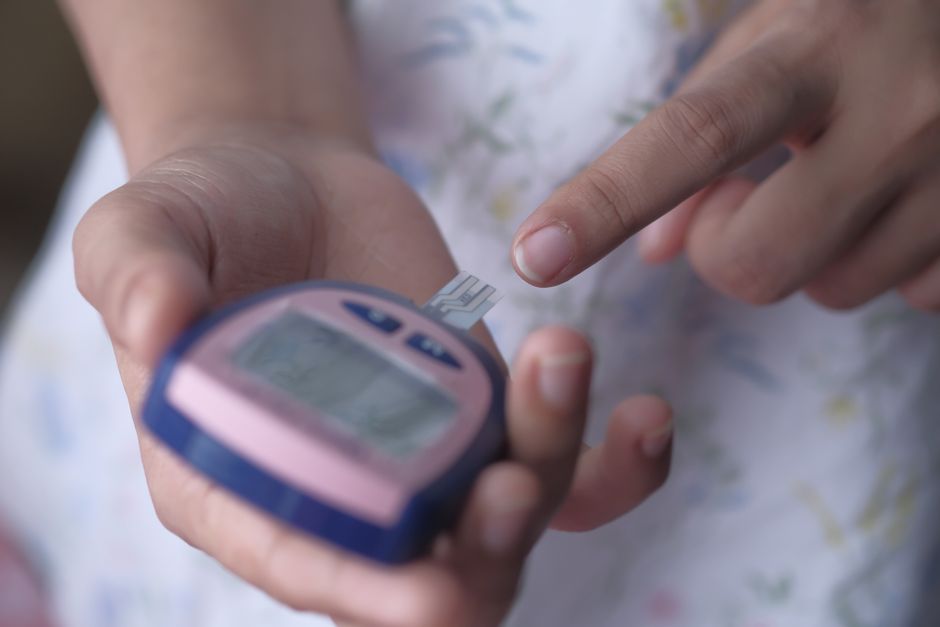
The 1-hour glucose test is a routine screening test done during pregnancy to check how your body processes sugar. It measures your blood sugar level one hour after you drink a sweet glucose drink. The test helps identify women who may have gestational diabetes, a form of high blood sugar that appears during pregnancy and usually goes away after delivery.
Why Do Pregnant Women Need This Test?
During pregnancy, the placenta produces hormones that can make your body less responsive to insulin. Insulin is the hormone that moves sugar out of your blood and into your cells for energy. For most women, the pancreas makes extra insulin to keep up. For some, it cannot, and blood sugar levels rise.
Gestational diabetes affects roughly 1 in 10 pregnancies in the United States, according to the Centers for Disease Control and Prevention. If left untreated, high blood sugar can cross the placenta and cause the baby to grow too large. Large babies are more likely to need a cesarean delivery and can have blood sugar problems right after birth.
The test is not a diagnosis. It is a screening tool. It tells your doctor whether you need a longer, more detailed test to confirm whether you actually have gestational diabetes.
When Is the 1 Hour Glucose Test Done?
The test is typically done between 24 and 28 weeks of pregnancy. This timing is standard because insulin resistance usually peaks around this point in the second trimester. Testing too early may miss cases that develop later.
Some women may be tested earlier if they have risk factors. These include a body mass index of 30 or higher, a family history of diabetes, a previous baby weighing over 9 pounds, or a history of gestational diabetes in an earlier pregnancy. If the early test is normal, women with risk factors are usually tested again at the standard 24-to-28-week mark.
Your doctor will schedule the test during a regular prenatal visit. Plan for the appointment to take about an hour and a half total, including check-in and waiting time.
How Is the Test Performed?
The test starts with a blood draw to check your fasting blood sugar, though fasting is not always required for the 1-hour test. Many practices do not require you to fast beforehand for this specific screening. However, you should confirm the instructions with your own doctor’s office because some recommend avoiding sugary foods for a few hours before the test.
You drink a bottle containing 50 grams of glucose dissolved in water. The drink often comes in orange, lemon-lime, or fruit punch flavors. Some women find it very sweet or slightly unpleasant. You need to finish the entire drink within five minutes.
You wait one hour. During this time, you should sit quietly. Walking around or being active can affect your blood sugar levels and skew the results. After exactly one hour, a technician draws blood from your arm. The sample is sent to a lab to measure your blood glucose level.


What Do the Results Mean?
A blood sugar level below 130 to 140 mg/dL is considered normal, depending on the cutoff used by your specific lab or hospital. Most practices in the United States use a cutoff of 130 mg/dL or 140 mg/dL. Levels above the cutoff are considered a positive screen, meaning further testing is needed.
A positive screen does not mean you have gestational diabetes. It simply means your blood sugar was higher than expected after the glucose drink. About 15 to 25 percent of women screen positive on the 1-hour test, but only about one-third of those women actually have gestational diabetes on the follow-up test.
If your result is above the cutoff, your doctor will order the 3-hour glucose tolerance test. This is the diagnostic test. It requires fasting overnight, a baseline blood draw, drinking a larger glucose solution containing 100 grams of sugar, and then blood draws at one, two, and three hours afterward. Gestational diabetes is diagnosed if two or more of those four blood sugar readings are above certain thresholds.
Are There Side Effects or Risks?
The test is safe for both mother and baby. The glucose drink is a standard medical preparation. Some women feel nauseated, lightheaded, or dizzy after drinking it. These feelings usually pass quickly and are not dangerous.
If you feel faint or vomit shortly after drinking the glucose solution, tell the staff. Vomiting can interfere with the test because your body may not have absorbed the full dose of sugar. In that case, the test may need to be rescheduled for another day.
There is no evidence that the glucose drink harms the baby. The amount of sugar in the drink is similar to what you might consume in a large sugary soda or a sweet dessert. The drink is not a medication. It is simply a measured amount of sugar to see how your body responds under a standard challenge.
What Happens If You Are Diagnosed With Gestational Diabetes?
If the 3-hour test confirms gestational diabetes, you will work with your healthcare team to manage your blood sugar for the rest of your pregnancy. Most women can manage it with dietary changes and regular physical activity. Some women also need daily insulin injections or oral medication.
You will likely be asked to check your blood sugar at home several times a day. You will have more frequent prenatal visits and extra ultrasounds to monitor your baby’s growth. These steps are not meant to alarm you. They are standard care designed to keep both you and your baby healthy.
Gestational diabetes usually resolves after delivery. However, women who have it face a higher risk of developing type 2 diabetes later in life. Your doctor will likely recommend a blood sugar test six to twelve weeks after your baby is born to confirm your levels have returned to normal.
Can You Decline the Test?
The 1-hour glucose test is a screening, not a mandatory procedure. In the United States, you have the right to decline any medical test. However, it is important to understand what you are declining.
Screening for gestational diabetes is widely recommended because the condition often causes no symptoms. Many women with gestational diabetes feel perfectly fine. Without screening, the condition may go undetected, and uncontrolled high blood sugar can lead to complications for both mother and baby.
If you have concerns about the test, including the taste of the drink, the time commitment, or the needle sticks, talk to your doctor. Some practices offer alternatives, such as eating a standard meal and checking blood sugar afterward, though these are less standardized and not as well validated for screening purposes.
How Accurate Is the 1 Hour Test?
The 1-hour test is designed to catch as many cases as possible, not to be perfectly precise. This means it produces some false positives — women who screen positive but do not actually have gestational diabetes. This is intentional. The goal is to avoid missing true cases.
False negatives are less common but can occur. Some research suggests that a small percentage of women with gestational diabetes may have a normal 1-hour result. This is why the test is not a perfect tool, but it remains the standard of care because it is simple, inexpensive, and widely available.
The follow-up 3-hour test is much more accurate. It is considered the diagnostic standard for gestational diabetes in most of the United States.
Does the Test Predict Long-Term Health Risks?
An abnormal 1-hour test result can be an early warning sign even if you do not have gestational diabetes. Some studies suggest that women who screen positive on the 1-hour test but negative on the 3-hour test still have a slightly higher risk of developing type 2 diabetes later in life compared to women who screen completely normal.
This does not mean you will definitely develop diabetes. It means your body may handle sugar less efficiently than average. This is useful information. It gives you a reason to maintain a healthy weight, stay physically active, and get regular blood sugar checks in the years after pregnancy.
Frequently Asked Questions
Do I need to fast before the 1 hour glucose test?
Most practices do not require fasting for the 1-hour glucose test. Confirm with your doctor’s office because instructions can vary slightly between clinics.
What happens if I fail the 1 hour glucose test?
A failed screening means you need the 3-hour glucose tolerance test to confirm whether you actually have gestational diabetes. Most women who screen positive on the 1-hour test do not have gestational diabetes on the follow-up test.
Can I eat before the 1 hour glucose test?
You can usually eat normally before the test, but avoid sugary foods and drinks in the hours beforehand. Follow the specific instructions your doctor’s office gives you.
Is the glucose drink safe for my baby?
Yes. The glucose drink is a standard medical preparation used in pregnancy screening worldwide. The sugar amount is similar to a large sweet drink and poses no known risk to the baby.
