
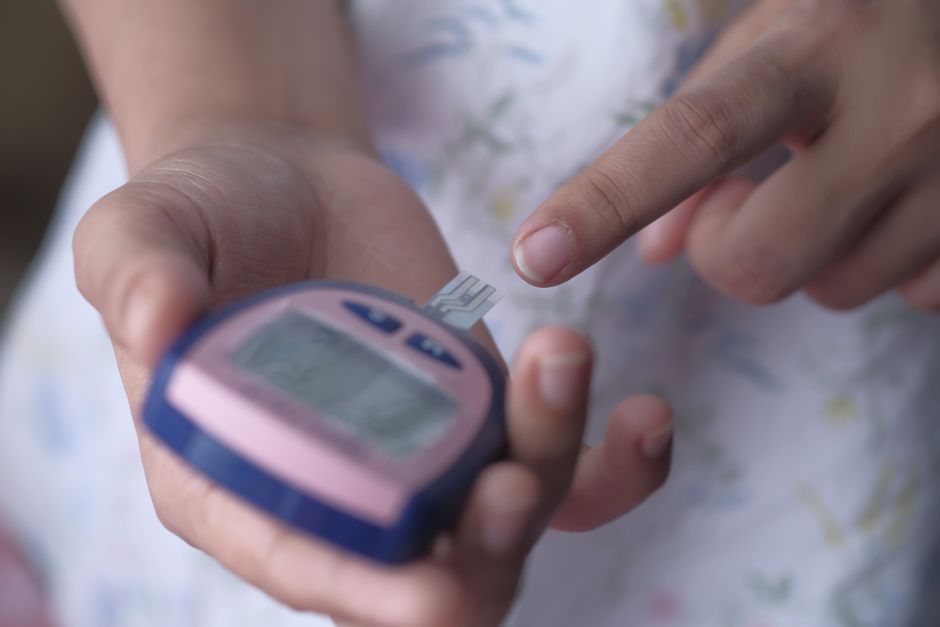
Most pregnant women are screened for gestational diabetes between 24 and 28 weeks of pregnancy. This is the standard window recommended by major medical organizations because it is when pregnancy hormones most affect insulin resistance. The test checks how well your body processes sugar, and catching problems early protects both you and your baby.
Why Is the Test Done Between 24 and 28 Weeks?
The placenta grows throughout pregnancy and produces hormones that can block insulin from working properly. This is called insulin resistance. Around the 24th week, the placenta is large enough that these hormones reach levels high enough to affect blood sugar in a noticeable way.
For most women, the body simply makes more insulin to keep up. But for some, the pancreas cannot keep pace. When that happens, blood sugar rises and gestational diabetes develops. Testing too early would miss many cases because the hormonal shift has not fully happened yet.
Testing after 28 weeks is also not ideal. If gestational diabetes is present, it has already had weeks to affect the baby. Early detection gives you time to adjust diet, activity, or medication before the baby grows too large or develops other complications.
What Does the Glucose Test Involve?
There are two common tests. The first is called the glucose challenge test, sometimes shortened to GCT. You drink a sweet liquid containing 50 grams of glucose. A blood sample is taken one hour later to measure your blood sugar level.
This first test is a screening test, not a diagnosis. It is designed to catch women who might have the condition. If your blood sugar comes back above a certain threshold, your doctor will order a second test called the oral glucose tolerance test, or OGTT.
The OGTT is more involved. You must fast for 8 to 14 hours beforehand. Blood is drawn first to get a fasting glucose level. Then you drink a liquid with 100 grams of glucose. Blood is drawn again at one hour, two hours, and three hours after drinking it. If two or more of those readings are above the expected ranges, gestational diabetes is diagnosed.
Some practices use a two-step approach with 50 grams first and 100 grams second. Others use a one-step approach with a 75-gram dose and fewer blood draws. Both methods are considered acceptable, and your doctor will follow the protocol their practice uses.
Who Needs the Test Earlier Than 24 Weeks?
Some women have risk factors that make early screening necessary. If you had gestational diabetes in a previous pregnancy, your doctor may test you at your first prenatal visit. The same applies if you had a baby weighing more than 9 pounds at birth.
Other risk factors include a body mass index of 30 or higher, a family history of type 2 diabetes, or a diagnosis of polycystic ovary syndrome. Women from certain ethnic backgrounds, including Hispanic, Black, Native American, South Asian, and Pacific Islander populations, are also at higher risk.
If your early test comes back normal, you will still be tested again between 24 and 28 weeks. An early normal result does not rule out gestational diabetes later in pregnancy. The condition develops as the placenta grows, so a test at 12 weeks cannot predict what will happen at 26 weeks.




What Happens If You Miss the 24 to 28 Week Window?
If you miss the standard testing window, the test can still be done later. It is less ideal, but it is better than not testing at all. Your doctor may also check your blood sugar more frequently in the remaining weeks of pregnancy.
Some women are diagnosed very late in pregnancy, sometimes at 34 weeks or beyond. In these cases, management focuses on keeping blood sugar controlled for the remaining weeks and monitoring the baby’s growth closely. The same treatment principles apply regardless of when the diagnosis happens.
If you have already passed 28 weeks and were never tested, contact your care provider. Do not wait. Late diagnosis is not uncommon, and the condition can be managed even in the third trimester.
What Do the Results Mean?
A normal glucose challenge test result means your body handled the sugar load well. No further testing is needed, and you continue with routine prenatal care. Most women fall into this category.
An abnormal glucose challenge test does not mean you have gestational diabetes. It means you need the longer diagnostic test to know for sure. Many women who fail the first screen pass the second test without any issues.
If you are diagnosed with gestational diabetes, treatment usually starts with dietary changes and regular physical activity. Your doctor may ask you to check your blood sugar at home several times a day. Some women also need insulin or oral medication if diet and exercise are not enough to keep blood sugar in range.
Gestational diabetes usually resolves after delivery. Blood sugar levels typically return to normal within days or weeks of giving birth. However, women who have had gestational diabetes face a higher risk of developing type 2 diabetes later in life. Your doctor will likely recommend a follow-up glucose test 6 to 12 weeks after delivery and regular screening every few years after that.
Can You Eat or Drink Before the Test?
For the one-hour glucose challenge test, most doctors do not require fasting. You can eat normally beforehand, though some practices suggest avoiding sugary foods in the hours before the test. Follow the specific instructions your provider gives you.
For the three-hour oral glucose tolerance test, fasting is required. You should not eat or drink anything except water for at least 8 hours before the test. Many practices ask you to avoid caffeine and exercise for 24 hours beforehand as well, since both can affect blood sugar readings.
If you are unsure about the instructions, call your clinic. Eating when you were supposed to fast can invalidate the test results and force you to reschedule.
Does the Test Have Side Effects?
The glucose drink can make some women feel nauseous or lightheaded. This is more common with the higher glucose dose used in the diagnostic test. Some women report dizziness, sweating, or a racing heart shortly after drinking the liquid. These symptoms usually pass quickly.
Bring a snack to eat after the test is finished. Your blood sugar may drop once the test is over, especially if you fasted beforehand. Sitting down for a few minutes after the final blood draw can help prevent fainting.
The test itself is considered safe for both mother and baby. The amount of glucose in the drink is not harmful. It is a standard part of prenatal care and has been used for decades.
Is Gestational Diabetes Common?
Gestational diabetes affects a significant number of pregnancies each year. It is one of the most common pregnancy complications. The exact number varies depending on the population studied and the diagnostic criteria used, but it is not a rare condition.
Untreated gestational diabetes can lead to a baby growing larger than normal, a condition called macrosomia. Large babies can make vaginal delivery more difficult and increase the chance of a cesarean section. Blood sugar problems in the baby shortly after birth are also more common when the mother’s blood sugar was poorly controlled.
The good news is that most women with gestational diabetes have healthy pregnancies and healthy babies when the condition is detected and managed properly. That is why the 24 to 28 week test matters.
Frequently Asked Questions
What week is the glucose test during pregnancy?
The glucose screening test is done between 24 and 28 weeks of pregnancy. This is the standard window because pregnancy hormones affect blood sugar most during this time.
Do I need to fast for the glucose test?
Fasting is usually not required for the one-hour glucose challenge test. The three-hour diagnostic test requires fasting for at least 8 hours beforehand.
What happens if I fail the glucose test?
Failing the one-hour screening test means you need the longer three-hour diagnostic test. A diagnosis of gestational diabetes is only made after the longer test confirms it.
Can I refuse the glucose test?
You can refuse any medical test, but skipping it means gestational diabetes could go undetected. Untreated gestational diabetes carries real risks for both mother and baby.
