
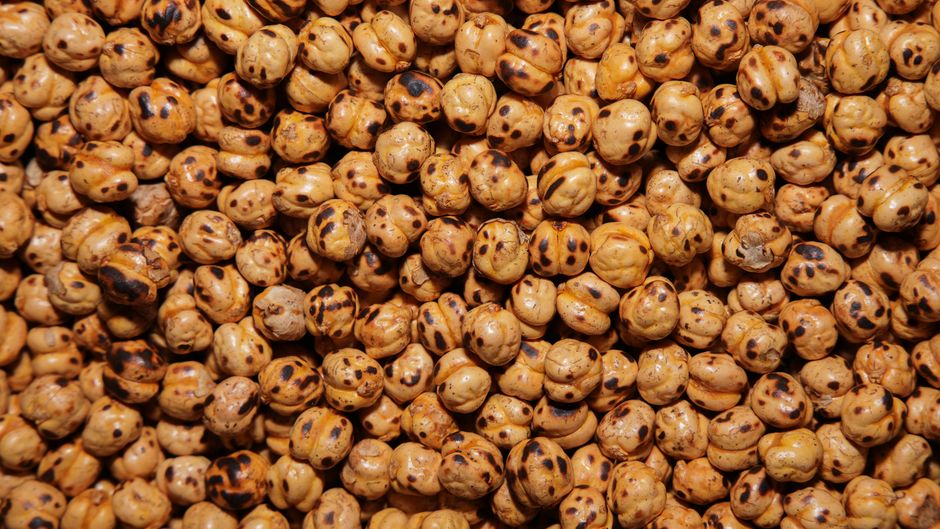
Yes, garbanzo beans have protein. A single cup of cooked garbanzo beans, also known as chickpeas, provides about 14.5 grams of protein. That makes them one of the best plant-based protein sources available. Unlike many other staples, they deliver a solid protein punch along with fiber and complex carbohydrates in one package.
How Much Protein Is in Garbanzo Beans?
The protein content depends on how you measure them. Cooked garbanzo beans contain roughly 8.9 grams of protein per 100 grams. That translates to about 14.5 grams per cup. Canned versions are similar, though sodium levels vary by brand.
Dried garbanzo beans have more protein by weight because they lack water. But you do not eat them dry. Always compare cooked or canned values when planning meals.
For context, a large egg has about 6 grams of protein. A cup of cooked garbanzo beans provides more than double that amount. They are not as protein-dense as chicken or beef, but they hold their own among plant foods.
Is Garbanzo Bean Protein Complete?
Protein is made of amino acids. Your body needs nine essential amino acids from food. Animal proteins contain all nine in good amounts. Most plant proteins do not.
Garbanzo beans are low in one essential amino acid called methionine. They are high in another called lysine. This matters because your body needs all essential amino acids to build muscle and repair tissue.
This does not mean garbanzo bean protein is useless. It means you should eat other protein sources throughout the day to fill the gap. Grains like rice, wheat, and oats are high in methionine and low in lysine. Combining garbanzo beans with grains covers both bases.
The old advice about eating complementary proteins at the same meal is outdated. Research shows your body pools amino acids from foods eaten over the course of a day. Eating hummus with pita at lunch and rice with beans at dinner works fine.
How Does Garbanzo Bean Protein Compare to Other Foods?
Knowing relative protein content helps with meal planning. Here is how cooked garbanzo beans compare to other common protein sources per cup or per 100 grams.
| Food | Protein per 100g | Protein per cup |
|---|---|---|
| Cooked garbanzo beans | 8.9g | 14.5g |
| Cooked lentils | 9.0g | 17.9g |
| Cooked black beans | 8.9g | 15.2g |
| Cooked quinoa | 4.4g | 8.1g |
| Cooked brown rice | 2.6g | 5.5g |
| Tofu | 8.1g | 20g per half cup |
Garbanzo beans sit in the middle of the legume range. Lentils and black beans edge them out slightly. But garbanzo beans have a texture that holds up well in salads, stews, and roasted snacks, which makes them easier to eat in larger amounts.

Do You Absorb All the Protein in Garbanzo Beans?
No. Plant proteins are generally less digestible than animal proteins. Garbanzo beans contain compounds called antinutrients that can reduce protein absorption.
Phytic acid is the main one. It binds to minerals and can interfere with protein digestion. Protease inhibitors also exist in raw legumes and can block digestive enzymes.
Cooking solves most of this problem. Heat destroys protease inhibitors and reduces phytic acid levels significantly. Soaking dried beans before cooking helps even more. Canned beans are already cooked and ready to eat.
One study published in the Journal of Agricultural and Food Chemistry found that cooking garbanzo beans increased their protein digestibility from about 76 percent to over 90 percent. That means your body uses most of the protein in properly cooked beans.
What Else Do Garbanzo Beans Offer Besides Protein?
Garbanzo beans are not just a protein source. They bring other nutrients that matter for health.
A cup of cooked garbanzo beans provides about 12.5 grams of fiber. That is roughly half the daily recommended intake for adults. Fiber supports digestion, feeds beneficial gut bacteria, and helps with blood sugar control.
They are also rich in folate, iron, magnesium, and potassium. Folate is especially important during pregnancy because it supports fetal development. Iron in plant foods is less absorbable than animal iron, but pairing garbanzo beans with vitamin C sources like lemon juice or tomatoes improves absorption.
Garbanzo beans have a low glycemic index. This means they raise blood sugar slowly compared to white rice or bread. The combination of protein and fiber slows digestion and blunts blood sugar spikes. This makes them a smart choice for people managing diabetes or insulin resistance.
Are Garbanzo Beans a Good Protein Source for Athletes?
Athletes need more protein than sedentary people. The recommended dietary allowance for protein is 0.8 grams per kilogram of body weight per day for average adults. Athletes often need 1.2 to 2.0 grams per kilogram depending on training intensity and goals.
Garbanzo beans can contribute to meeting those needs. But relying on them as the sole protein source would require eating very large volumes. A 70-kilogram athlete aiming for 140 grams of protein daily would need nearly 10 cups of garbanzo beans.
Practical approach: use garbanzo beans as part of a varied protein strategy. Combine them with other legumes, tofu, tempeh, eggs, dairy, or meat depending on your dietary preferences. This spreads amino acid intake across the day and makes hitting protein targets realistic.
For plant-based athletes, the evidence does not show a performance disadvantage when total protein intake is adequate. The key is total daily protein, not the source of every gram.
How to Eat More Garbanzo Beans
Garbanzo beans are versatile. Their mild, nutty flavor works in many dishes.
Hummus is the most obvious use. Blend cooked garbanzo beans with tahini, lemon juice, garlic, and olive oil. Serve with vegetables or whole grain crackers.
Roasted garbanzo beans make a crunchy snack. Toss drained canned beans with olive oil and spices, then bake at 400°F for about 30 minutes until crisp. The protein and fiber make them more satisfying than chips.
Add them to salads for texture and staying power. They hold their shape well and do not get mushy. A cup of garbanzo beans transforms a side salad into a complete meal.
Use them in soups and stews. They absorb flavors without falling apart. Curries, chili, and vegetable soups all benefit from a can of garbanzo beans.
Garbanzo bean pasta is another option. Made from chickpea flour, it contains roughly double the protein of wheat pasta. Check the label because some brands blend chickpea flour with rice flour, which lowers the protein content.
Aquafaba, the liquid from canned garbanzo beans, is not a protein source. It is used as an egg white substitute in baking because of its foaming properties. Do not count it toward protein intake.
Are There Any Downsides?
Garbanzo beans cause gas for some people. They contain oligosaccharides, a type of carbohydrate that ferments in the large intestine. This produces gas and bloating in sensitive individuals.
Rinsing canned beans reduces some of these carbohydrates. Soaking dried beans overnight and discarding the water also helps. Gradually increasing your intake gives your gut time to adapt.
People with irritable bowel syndrome may react to the FODMAPs in garbanzo beans. Canned and rinsed beans are lower in FODMAPs than dried beans. Some people tolerate small portions better than large ones.
Garbanzo beans are not a complete protein, so they should not be your only protein source. If you follow a vegan diet, include other legumes, soy products, and whole grains to ensure adequate amino acid intake.
Frequently Asked Questions
Are garbanzo beans a good source of protein?
Yes, a cup of cooked garbanzo beans provides about 14.5 grams of protein, making them one of the better plant-based protein sources. They are not as protein-dense as animal products, but they contribute meaningfully to daily protein needs.
Can you build muscle eating garbanzo beans?
Yes, if your total daily protein intake is adequate. Garbanzo beans provide quality protein, but they are low in methionine, so combine them with grains or other protein sources throughout the day.
Do garbanzo beans have more protein than rice?
Yes, cooked garbanzo beans have more than three times the protein of cooked brown rice. A cup of garbanzo beans has about 14.5 grams, while a cup of brown rice has about 5.5 grams.
Are canned garbanzo beans as nutritious as dried?
Canned garbanzo beans have similar protein and fiber content to cooked dried beans. They may have added sodium, so rinse them before use to reduce salt.
