
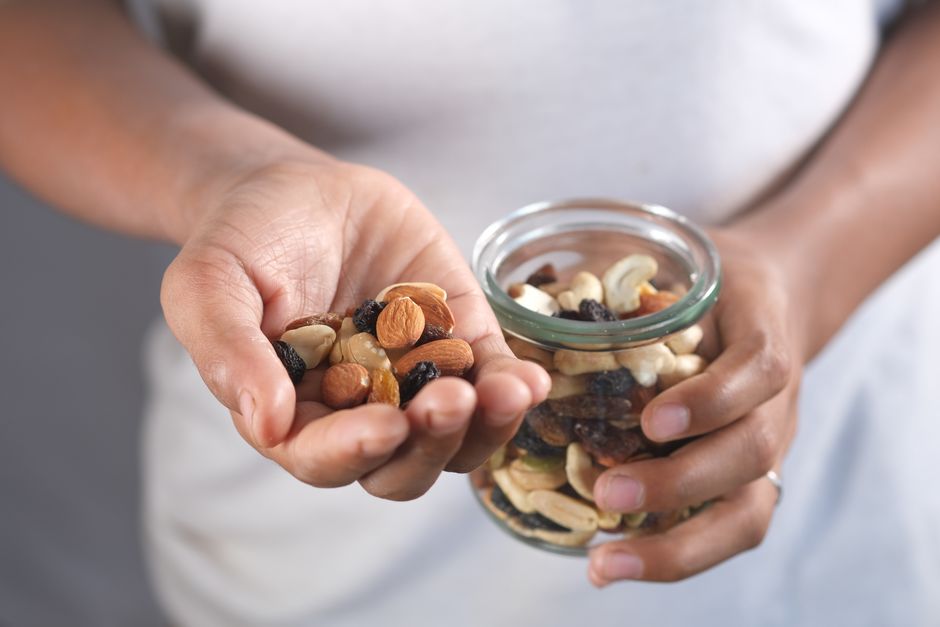
Nuts are a solid source of plant protein, but the amount varies a lot by type. Almonds and pistachios lead the pack with about 6 grams of protein per ounce, while pecans and macadamias have far less. If you are eating nuts for protein, knowing which ones deliver the most helps you make better choices without the hype.
How Much Protein Do Different Nuts Actually Have?
| Nut (1 ounce, about 28g) | Protein (grams) | Calories |
|---|---|---|
| Almonds | 6.0 | 164 |
| Pistachios | 5.7 | 159 |
| Peanuts (technically a legume) | 7.0 | 166 |
| Cashews | 5.2 | 157 |
| Walnuts | 4.3 | 185 |
| Hazelnuts | 4.2 | 178 |
| Brazil Nuts | 4.0 | 186 |
| Pine Nuts | 3.9 | 191 |
| Pecans | 2.6 | 196 |
| Macadamia Nuts | 2.2 | 204 |
Research from the USDA nutrient database shows these numbers consistently. Peanuts are not technically a tree nut, but people group them with nuts. They have the most protein per ounce. Almonds and pistachios are close behind. If protein is your goal, skip macadamias and pecans. They are mostly fat with very little protein.
Is There Protein In Nuts How Much Each Nut Has Compared to Other Protein Sources?
Nuts are not a high-protein food compared to meat or eggs. A 3-ounce chicken breast has about 26 grams of protein. That is more than four ounces of almonds. Nuts are better thought of as a protein supplement or a snack that adds some protein, not a primary source.
One ounce of almonds gives you about the same protein as one large egg. That is useful to know. If you eat a handful of almonds with a meal, you get a small protein boost. But you would need to eat a lot of nuts to match a serving of meat, and the calories add up fast. Most people should treat nuts as a healthy fat source with some protein, not the other way around.
Some people claim nuts are a “complete protein.” That is not accurate. Most nuts are low in the amino acid lysine. Your body needs all essential amino acids to build muscle. Nuts alone will not cover your needs. Pair them with grains, legumes, or animal foods to fill the gaps. A handful of almonds with oatmeal works well.
What Does Research Show About Protein Quality in Nuts?
Protein quality matters more than just the gram count. The Digestible Indispensable Amino Acid Score (DIAAS) is the current standard for measuring protein quality. Nuts score lower than animal proteins because they have less of certain essential amino acids. Research published in the Journal of Nutrition found that almond protein has a DIAAS score around 0.4, while whey protein scores 1.0.
This does not mean nut protein is useless. It means your body cannot use all of it efficiently for building muscle. When you eat nuts, some of the protein goes to other functions like enzyme production or immune support. That is fine. But if you are trying to build muscle after exercise, nuts are not the best choice. A glass of milk or a scoop of protein powder works better.
As of 2026, current research suggests that processing nuts can change protein availability. Roasting almonds at high heat may slightly reduce how much protein your body can digest. Soaking or sprouting nuts may improve it a little, but the difference is small. For most people, raw or dry-roasted nuts are fine. The protein difference is not worth stressing over.




Which Nuts Are Best for Protein Per Calorie?
If you watch your calorie intake, protein per calorie matters more than protein per ounce. Here is the ranking based on how many grams of protein you get per 100 calories:
- Peanuts: 4.2 grams protein per 100 calories
- Almonds: 3.7 grams protein per 100 calories
- Pistachios: 3.6 grams protein per 100 calories
- Cashews: 3.3 grams protein per 100 calories
- Walnuts: 2.3 grams protein per 100 calories
- Pecans: 1.3 grams protein per 100 calories
- Macadamia nuts: 1.1 grams protein per 100 calories
Peanuts win here, but they are also higher in calories than almonds. Almonds and pistachios are the best options among tree nuts if you want protein without too many calories. Pecans and macadamias are delicious but mostly fat. They are not a protein choice.
One common mistake is assuming all nuts are similar. They are not. If you grab a bag of mixed nuts, you might get mostly peanuts and almonds, which is fine. But if the mix is heavy on cashews and pecans, your protein intake drops. Read the ingredient list or buy single-nut bags for better control.
Common Misconceptions About Protein in Nuts
A widespread claim online is that walnuts have as much protein as meat. That is false. Walnuts have 4.3 grams per ounce. A hamburger patty has about 20 grams. The comparison does not hold. Another myth is that nut butters are a protein powerhouse. Peanut butter has about 8 grams per two-tablespoon serving, but it also has around 190 calories. It is not a protein supplement. It is a spread with some protein.
Some people believe that eating more nuts automatically increases muscle mass. Research does not support that. A 2021 study in Nutrients found that adding almonds to a diet did not increase muscle protein synthesis compared to a control snack. Nuts help with overall nutrition but are not anabolic. You still need adequate total protein from varied sources.
The idea that nuts are a “perfect snack” for protein is overstated. A handful of almonds gives you 6 grams of protein. A Greek yogurt cup gives you 15 grams for similar calories. Nuts are a good snack for healthy fats and fiber, but do not rely on them to meet your protein needs. Use them as part of a balanced diet, not the centerpiece.
How to Include Nuts for Protein Without Overdoing Calories
Portion control is the main challenge. One ounce of nuts is about a small handful. That is roughly 23 almonds, 49 pistachios, or 18 cashews. Most people pour a larger handful without thinking. That doubles the calories and only adds a few more grams of protein. Measure your portions if you are tracking protein and calories.
Pair nuts with higher-protein foods to get more benefit. Add chopped almonds to Greek yogurt. Sprinkle pistachios over a chicken salad. Use peanut butter on whole-grain toast with a glass of milk. The combination gives you more complete protein and keeps you full longer. Nuts work best as a topping or side, not the main event.
Avoid heavily salted or honey-roasted nuts. The added sugar and sodium do not help your goals. Plain raw or dry-roasted nuts are the best choice. If you want flavor, add your own spices like cinnamon or chili powder. That keeps the protein intact without the extra junk.
What to Avoid When Choosing Nuts for Protein
Do not fall for “protein-enhanced” nut products. Some brands sell nuts coated in whey protein or soy protein isolate. These are processed snacks, not whole foods. They often have added sugars and artificial ingredients. The protein boost is small and not worth the trade-off. Stick to plain nuts.
Avoid nut flours and nut milks as protein sources. Almond flour has about half the protein of whole almonds by weight. Almond milk has almost no protein unless it is fortified. A glass of almond milk has 1 gram of protein. That is not a protein drink. If you want protein from nuts, eat the whole nut.
Do not assume “mixed nuts” are all healthy. Some mixes include chocolate-covered nuts or yogurt-coated nuts. Those are candy with a nut inside. They have more sugar and less protein per bite than plain nuts. Read the label. If sugar is in the first three ingredients, it is not a protein snack.
Frequently Asked Questions
Which nut has the most protein?
Peanuts have the most protein with 7 grams per ounce, followed by almonds with 6 grams and pistachios with 5.7 grams.
Is nut protein as good as meat protein?
No, nut protein is lower quality because it lacks enough of the essential amino acid lysine. Meat protein is complete and better for building muscle.
How many nuts should I eat for protein?
One ounce per day is a reasonable amount, giving you 2 to 7 grams of protein depending on the nut. Do not rely on nuts as your main protein source.
Do roasted nuts have less protein than raw nuts?
Roasting can slightly reduce digestibility of protein, but the difference is small. Both raw and dry-roasted nuts have similar protein content by weight.
