
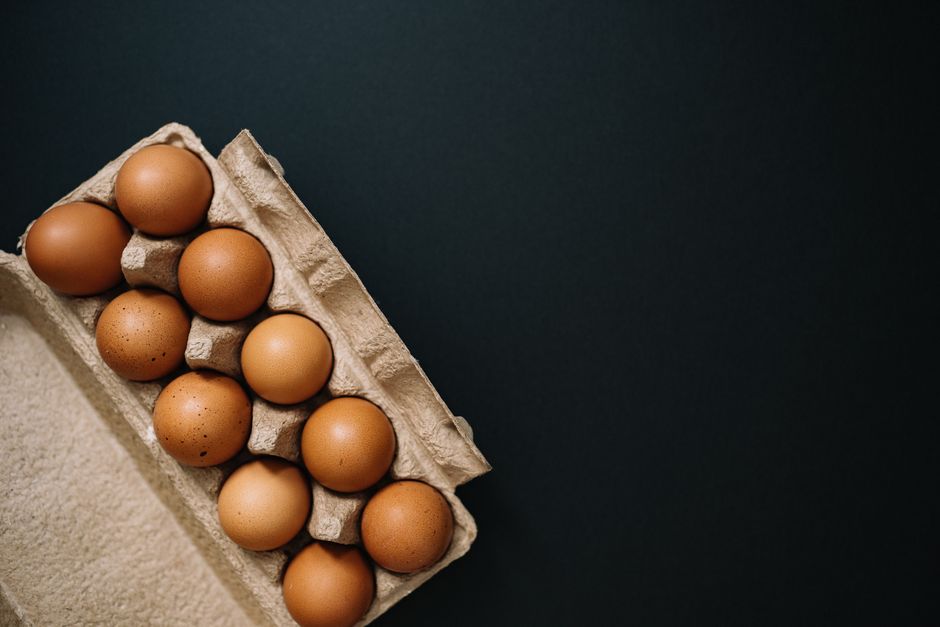
Two large eggs contain about 12 grams of protein. That is 6 grams per egg on average. The exact number depends on egg size but for standard large eggs 12 grams is the reliable figure. About half of that protein is in the white and half in the yolk so eat the whole egg to get the full amount.
How Much Protein Is in One Egg Compared to Two?
One large egg has about 6 grams of protein. Two large eggs have about 12 grams. This is a simple doubling but the numbers shift slightly if you use different egg sizes.
A medium egg has about 5 grams of protein. A jumbo egg can have 7 grams or more. Most recipes and nutrition labels in the US assume large eggs. So when you read “two eggs” in a meal plan it usually means 12 grams of protein.
The protein in eggs is complete meaning it contains all nine essential amino acids your body cannot make on its own. This is not common in plant foods. Eggs are one of the highest quality protein sources available and the body uses egg protein very efficiently.
Does the Protein Change If You Cook the Eggs Differently?
No. Cooking does not change the protein content. A fried egg has the same protein as a boiled egg or a scrambled egg. The protein stays stable through heat.
What changes is how much fat or liquid you add. Scrambled eggs with milk or butter will have more calories and fat but the protein from the eggs themselves remains exactly the same. Poached eggs have no added fat so the protein-to-calorie ratio is better.
One thing cooking does is make the protein easier to digest. Raw egg protein is only about 50 percent digestible. Cooked egg protein is over 90 percent digestible. So always cook your eggs. You absorb more protein that way and you avoid the small risk of salmonella.
How Much Protein In Two Eggs Compared to Other Common Foods
Two eggs give you 12 grams of protein. Here is how that stacks up against other protein sources people eat for breakfast or snacks.
| Food | Protein (grams) |
|---|---|
| Two large eggs | 12 |
| 3 ounces chicken breast | 26 |
| 1 cup Greek yogurt | 20 |
| 1 cup milk | 8 |
| 1 slice bacon | 3 |
| 1 tablespoon peanut butter | 4 |
| 1/2 cup cottage cheese | 14 |
Eggs are not the highest protein food but they are very efficient. Two eggs give you 12 grams of protein for only about 140 calories. Chicken breast has more protein but also more calories per serving. For the calories eggs are one of the best protein bargains.
Current research suggests that spreading protein across meals rather than eating it all at once helps muscle maintenance. Two eggs at breakfast is a solid start but most adults need 20 to 40 grams per meal for optimal muscle health.





What About the Protein in Egg Whites vs Whole Eggs?
The white of a large egg has about 3.5 grams of protein. The yolk has about 2.5 grams. If you only eat egg whites you lose nearly half the protein.
Some people avoid yolks because of cholesterol. But as of 2026 the evidence is clear that dietary cholesterol from eggs does not raise blood cholesterol for most people. The 2015 Dietary Guidelines removed the old limit on dietary cholesterol. The yolk also contains vitamin D, choline, and healthy fats.
If you are trying to maximize protein without extra calories egg whites alone are fine. But for overall nutrition whole eggs are better. You get more protein and more nutrients for very few extra calories.
Do You Need to Eat Eggs Every Day to Get Enough Protein?
No. Eggs are a convenient protein source but you can get protein from many foods. The average adult needs about 0.8 grams of protein per kilogram of body weight per day. That is about 55 grams for a 150-pound person.
Two eggs cover about 22 percent of that need. Add a cup of Greek yogurt at lunch and a chicken breast at dinner and you are well over the daily target. Eggs are not essential. They are just a very easy way to add high-quality protein to a meal.
Some people worry about eating eggs daily. The research does not support that fear for healthy people. Large studies tracking hundreds of thousands of people over decades have not found a link between egg consumption and heart disease or stroke. The exception is people with diabetes where some studies suggest caution but the evidence is mixed.
What Are Common Misconceptions About Protein in Eggs?
The biggest myth is that brown eggs have more protein than white eggs. They do not. Shell color depends on the breed of chicken and has nothing to do with nutrition. A large brown egg and a large white egg have the same protein content.
Another myth is that eggs need to be eaten raw for maximum protein. This is false. As mentioned earlier cooking actually improves protein digestion. Raw eggs are less bioavailable and carry a small infection risk.
A third misconception is that eggs are a complete meal by themselves. Two eggs give you 12 grams of protein but very little carbohydrate or fiber. For a balanced meal pair eggs with whole grain toast, vegetables, or fruit. This gives you energy and keeps your blood sugar stable.
- Brown eggs and white eggs have the same protein
- Raw eggs do not give you more protein than cooked eggs
- Two eggs alone are not a complete meal for most people
- Egg size matters: jumbo eggs have more protein than medium eggs
How to Get the Most Protein From Eggs
Eat the whole egg. That is the simplest way. The yolk contains nearly half the protein so skipping it cuts your intake significantly.
Buy large or jumbo eggs if you want more protein per egg. The price difference is small but the protein difference is real. Two jumbo eggs give you about 14 grams of protein compared to 12 from large eggs.
Pair eggs with other protein sources. Add cheese, ham, or beans to an omelet. Serve eggs with a side of cottage cheese or yogurt. This pushes your breakfast protein closer to the 30-gram range which research shows helps with satiety and muscle maintenance.
Do not overcook eggs to the point of browning or burning. Overcooking can reduce the availability of some amino acids slightly though the effect is small. Soft-boiled, poached, or lightly scrambled are fine. Hard-boiled is also fine as long as you do not boil them for 20 minutes.
Frequently Asked Questions
How many grams of protein are in two scrambled eggs?
Two scrambled eggs made from large eggs contain about 12 grams of protein. Adding milk or butter does not change the protein from the eggs themselves.
Is the protein in two eggs enough for a meal?
For most adults 12 grams is not enough protein for a full meal. Aim for 20 to 40 grams per meal and add other protein sources like cheese, yogurt, or meat.
Do two eggs have more protein than a chicken breast?
No. A 3-ounce chicken breast has about 26 grams of protein which is more than double the 12 grams in two eggs.
Can you eat too many eggs for protein?
For healthy people eating several eggs per day is fine based on current evidence. People with existing heart conditions or diabetes should talk to their doctor about egg intake.
