
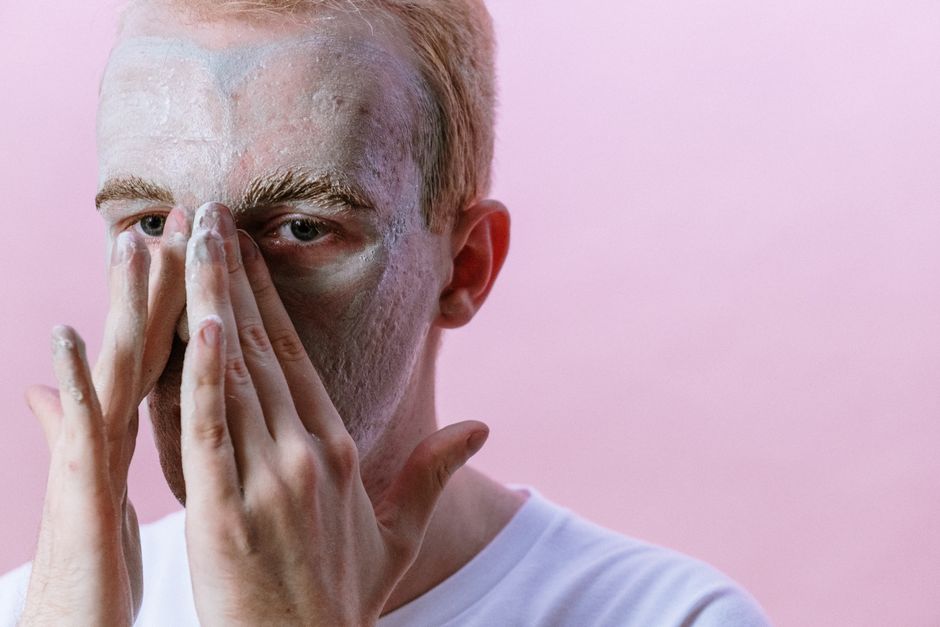
Acne is frustrating, and the search for something that actually works can feel endless. Clay masks are a popular go-to, but do they really help clear your skin? The short answer is yes, for some types of acne, clay masks can be a useful part of your routine. They work by absorbing excess oil and drawing out impurities from your pores. But they are not a cure for severe acne, and using them wrong can actually make things worse.
How Do Clay Masks Work on Acne?
Clay masks work through a simple physical process. The clay in the mask has a negative electrical charge. When you apply it to your face, it acts like a magnet. It pulls positively charged particles, like dirt, oil, and bacteria, out of your pores. As the mask dries, it tightens and absorbs the oil and impurities on your skin’s surface.
Different types of clay have different strengths. Kaolin clay is gentle and good for sensitive skin. Bentonite clay is much stronger and better for oily skin types. French green clay is also popular for absorbing oil. The key is that clay masks target surface oil and pore debris. They do not treat the underlying causes of acne like hormones or bacteria deep within the skin.
Research published in the International Journal of Cosmetic Science found that clay masks can significantly reduce skin oiliness for a short time. A 2010 study in the Journal of Cosmetic Dermatology also noted that clay masks helped with mild to moderate acne. These studies are small, but they suggest a real benefit for surface-level breakouts.
What Types of Acne Do Clay Masks Help With?
Clay masks are best for non-inflammatory acne. This includes blackheads and whiteheads. They are also helpful for people with very oily skin who get frequent clogged pores. The mask pulls the oil and dead skin cells out of the pore before they can turn into a pimple.
For inflammatory acne, like red pimples or cystic acne, the evidence is weaker. Clay masks can help dry out a small, surface-level pimple. But they will not reach deep cystic acne that is under the skin. In some cases, drying out the skin too much can actually irritate inflammatory acne and make it worse.
The American Academy of Dermatology recommends clay masks as an option for mild acne. They are not listed as a primary treatment for moderate to severe acne. If you have mostly blackheads and whiteheads with some occasional red pimples, a clay mask once or twice a week may help.
What Does Research on Clay Masks and Acne Actually Show?
Most of the evidence for clay masks is observational and based on how they work chemically. There are not many large, high-quality clinical trials specifically testing clay masks for acne. The studies that do exist are promising but limited.
A 2018 review in the Journal of Clinical and Aesthetic Dermatology looked at various natural treatments for acne. It found that clay-based products had some benefit for mild acne, mostly due to their ability to absorb oil. The review also noted that clay masks are generally safe with few side effects.
The strongest claim you can make is that clay masks help control oil and reduce the appearance of clogged pores. They do not kill the acne bacteria directly, nor do they reduce inflammation in the way salicylic acid or benzoyl peroxide do. Think of them as a mechanical cleaner, not a medication. They are a support tool, not a primary treatment for most people with acne.





How to Use a Clay Mask for Acne Without Making Things Worse
Using a clay mask the wrong way can dry out your skin and cause irritation. This can lead to more breakouts. Here is how to use them correctly based on dermatologist recommendations.
- Start with clean skin. Wash your face with a gentle cleanser before applying the mask. This removes makeup and surface dirt so the clay can reach your pores.
- Apply a thin, even layer. Thick layers do not work better. A thin layer dries evenly and is easier to remove.
- Do not let it dry completely. This is the most common mistake. If the mask cracks and feels tight, it is too dry. Rinse it off while it is still slightly damp. Leaving it on until it cracks can strip your skin’s natural moisture barrier.
- Limit to 10-15 minutes. Most masks should not stay on longer than 15 minutes. Check the instructions on your specific product.
- Moisturize after. Clay masks remove oil. You need to put moisture back into your skin. Use a lightweight, non-comedogenic moisturizer.
- Use once or twice a week. More is not better. Overuse can cause dryness, redness, and irritation.
If your skin feels tight, red, or starts peeling after using a clay mask, you are using it too often or leaving it on too long. Back off to once a week and see if your skin calms down.
Clay Masks vs. Other Acne Treatments: A Comparison
It helps to see where clay masks fit among other common acne treatments. This table compares them on key factors.
| Treatment | How It Works | Best For | Frequency |
|---|---|---|---|
| Clay Mask | Absorbs oil, pulls out impurities | Blackheads, whiteheads, oily skin | 1-2 times per week |
| Salicylic Acid | Exfoliates inside pores, unclogs them | Blackheads, whiteheads | Daily or every other day |
| Benzoyl Peroxide | Kills acne bacteria, reduces inflammation | Inflammatory pimples (red, pus-filled) | Daily |
| Retinoids (like adapalene) | Increases skin cell turnover, prevents clogged pores | Comedonal acne, anti-aging | 3-4 times per week to start |
| Antibiotics (topical or oral) | Kills bacteria, reduces inflammation | Moderate to severe inflammatory acne | As prescribed by a doctor |
Clay masks are the gentlest option on this list. They are also the least effective for inflammatory acne. If you have only blackheads and oily skin, a clay mask may be all you need. If you have red pimples or cystic acne, you will likely need a stronger treatment like benzoyl peroxide or a retinoid.
Common Misconceptions About Clay Masks and Acne
There is a lot of bad information online about clay masks. Here are a few myths that need to be cleared up.
Myth: Clay masks can “detox” your skin. Your body already detoxifies itself through your liver and kidneys. Your skin does not need to be “detoxed.” Clay masks simply pull oil and dirt from your pores. The word “detox” is marketing, not science.
Myth: You can mix clay masks with apple cider vinegar or lemon juice to make them stronger. This is widely claimed online, but strong evidence is limited. Apple cider vinegar is acidic and can burn your skin. Lemon juice can cause chemical burns and make your skin sensitive to the sun. Stick to water or a gentle toner recommended by a dermatologist.
Myth: All clay masks are the same. This is not true. The type of clay matters. Bentonite clay is very absorbent and can be drying. Kaolin clay is milder. French green clay has antibacterial properties. Read the ingredients and choose one that matches your skin type.
Myth: A clay mask will cure cystic acne. As of 2026, there is no clinical evidence that a clay mask can reach deep cystic acne. Cystic acne forms deep in the skin. Clay masks only work on the surface. If you have cystic acne, see a dermatologist for prescription treatments like spironolactone or isotretinoin.
What to Avoid When Using Clay Masks for Acne
Some common mistakes can turn a helpful product into a harmful one. Here is what to avoid.
Do not use clay masks on broken or irritated skin. If you have an open pimple or a cut, the mask can sting and cause more irritation. Wait until the skin heals.
Do not scrub the mask off. Rinse with lukewarm water and gently massage your skin. Scrubbing can cause micro-tears and make acne worse.
Do not use a clay mask every day. This is a fast track to dry, irritated skin. Your skin needs time to recover. Once or twice a week is plenty for most people.
Do not use clay masks as a spot treatment for large, red pimples. Spot treatments are best for small, surface-level pimples. For larger pimples, a product with benzoyl peroxide or salicylic acid is more effective. A clay mask will only dry out the top layer, not reach the inflammation underneath.
Do not assume more expensive means better. Many affordable clay masks work just as well as luxury brands. Look for a simple ingredient list with a high concentration of clay. Avoid masks with added fragrances or essential oils if you have sensitive skin.
Frequently Asked Questions
Can clay masks make acne worse?
Yes, if you overuse them or leave them on too long, they can dry out your skin and cause irritation. This irritation can lead to more breakouts.
How often should I use a clay mask for acne?
Most dermatologists recommend using a clay mask once or twice a week. More than that can strip your skin of necessary oils.
Should I use a clay mask before or after washing my face?
Always wash your face first. Applying a clay mask to clean skin allows it to reach your pores without interference from makeup or dirt.
Do clay masks help with blackheads?
Yes, clay masks are effective at pulling oil and debris out of pores, which helps reduce the appearance of blackheads. They work best when used consistently once a week.
