
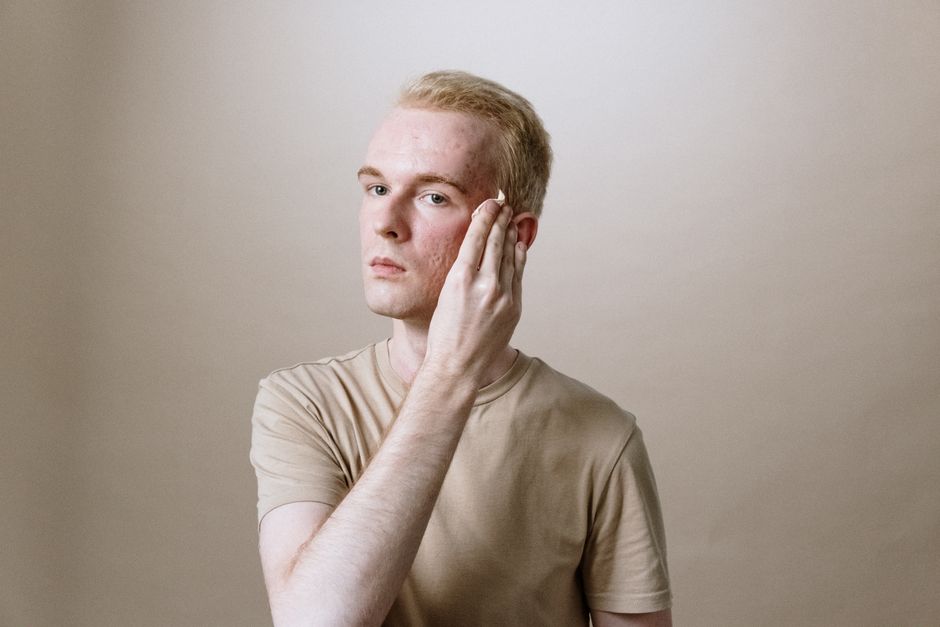
Redness from acne scars can linger for months or even years after the pimple itself is gone. The most effective way to reduce this redness uses a combination of topical ingredients like azelaic acid, niacinamide, and silicone gels alongside in-office laser treatments such as pulsed dye laser (PDL) and intense pulsed light (IPL). The right approach depends on the type of redness you have — whether it is post-inflammatory erythema (PIE) or true scar tissue — and your skin tone. Below is a breakdown of what the evidence actually supports.
What Causes Redness in Acne Scars?
Redness in acne scars is not the same as the scar itself. Most of the time, the red or pink color comes from damaged blood vessels that remain dilated after inflammation subsides. This is called post-inflammatory erythema (PIE). It is different from post-inflammatory hyperpigmentation (PIH), which is brown or dark and involves excess melanin.
PIE is most common in people with lighter skin tones. In darker skin tones, PIH tends to dominate. But both can occur together. The redness fades as the blood vessels slowly return to normal. This process can take 6 to 12 months without treatment. Topicals and lasers speed this up by targeting either the blood vessels directly or the inflammation that keeps them dilated.
Research published in the Journal of the American Academy of Dermatology found that PIE is driven by vascular endothelial growth factor (VEGF). This chemical signals blood vessels to grow and stay open. Treatments that reduce VEGF or constrict vessels are the ones that work best.
How To Reduce Redness Of Acne Scars Topicals And Lasers: What the Research Shows
Studies have found that the most effective topical ingredients for reducing redness are azelaic acid, niacinamide, and silicone-based products. Azelaic acid works by calming inflammation and reducing the activity of VEGF. A 2023 review in Dermatology and Therapy noted that 15-20% azelaic acid gel reduced erythema significantly after 8 to 12 weeks of daily use.
Niacinamide, a form of vitamin B3, helps strengthen the skin barrier and reduce redness. The research is moderate but consistent. A 2015 study in the British Journal of Dermatology showed that 4% niacinamide cream reduced erythema in acne patients over 8 weeks. It is well tolerated by most skin types.
Silicone gels and sheets are not just for raised scars. They create a protective barrier that reduces water loss and calms the skin. Some evidence suggests they help flatten redness over time. The American Academy of Dermatology recommends silicone for scar management, though the effect on PIE specifically is less studied than for keloids.
For lasers, pulsed dye laser (PDL) is the most studied option. PDL targets hemoglobin in blood vessels, causing them to collapse. A 2021 meta-analysis in Lasers in Medical Science found that PDL reduced erythema by 50-70% after 2 to 3 sessions. IPL also works but is less precise. It uses a broader spectrum of light and may require more sessions.
Topical Ingredients That Help (and One That Does Not)
Here are the topicals with real evidence behind them:
- Azelaic acid (15-20%): Reduces inflammation and VEGF. Good for mild to moderate redness. Use once or twice daily.
- Niacinamide (4-5%): Calms skin and strengthens barrier. Safe for sensitive skin. Use twice daily.
- Silicone gel or sheets: Best for raised or flat scars. Apply daily for at least 8 weeks.
- Vitamin C (L-ascorbic acid): Antioxidant that may help with redness but evidence is weaker. Can irritate sensitive skin.
- Hydroquinone: Not effective for PIE. It targets melanin, not blood vessels. Do not use for redness.
One ingredient that gets overhyped is aloe vera. While it feels soothing, there is no strong clinical evidence that it reduces PIE faster than doing nothing. Some people report improvement, but that is likely just natural healing over time.



Laser and Light Treatments: What to Expect
If topicals are not enough after 3 months, lasers are the next step. Pulsed dye laser (PDL) is the gold standard for redness. It uses yellow light at 585-595 nm wavelength. This light is absorbed by hemoglobin in the blood vessels. The heat destroys the vessel walls, and the body clears them away within a few weeks.
PDL sessions take about 15-30 minutes. You may feel a snapping sensation. Redness and mild bruising are common for 3 to 7 days after. Most people need 2 to 4 sessions spaced 4 to 6 weeks apart. The results are usually permanent for the treated vessels, though new inflammation can create new redness.
Intense pulsed light (IPL) is another option. It is not a laser but a broad-spectrum light. It is less targeted than PDL. Some studies suggest it works for mild redness, but the evidence is weaker. IPL may be better for people who cannot tolerate PDL downtime.
For darker skin tones, PDL must be used carefully. It can cause hypopigmentation or hyperpigmentation if settings are too high. Look for a provider experienced with Fitzpatrick skin types IV-VI. The American Society for Laser Medicine and Surgery recommends lower fluences and longer pulse durations for darker skin.
Comparison of Topicals vs. Lasers for Redness
This table summarizes the key differences between treatment approaches:
| Treatment | How It Works | Time to Results | Number of Sessions | Risk Level |
|---|---|---|---|---|
| Azelaic acid (15-20%) | Reduces inflammation and VEGF | 8-12 weeks | Daily use | Low |
| Niacinamide (4-5%) | Strengthens barrier, calms skin | 8 weeks | Daily use | Very low |
| Silicone gel/sheets | Protects and hydrates scar | 8-12 weeks | Daily use | Very low |
| Pulsed dye laser (PDL) | Targets hemoglobin in vessels | 4-6 weeks per session | 2-4 | Moderate (bruising, swelling) |
| Intense pulsed light (IPL) | Broad light targets redness | 6-8 weeks per session | 3-6 | Low to moderate |
What to Avoid When Treating Red Acne Scars
Some common mistakes make redness worse. Harsh exfoliants like physical scrubs or high-concentration glycolic acid can irritate the skin and prolong inflammation. Avoid these while treating active redness. Retinoids like tretinoin can help with acne and scarring but can also cause temporary redness. If you use them, start at a low concentration and apply every other night.
Sun exposure is a major problem. UV light damages blood vessels and triggers inflammation. This can make PIE last longer. The CDC recommends daily broad-spectrum SPF 30 or higher for everyone. For people with PIE, mineral sunscreens with zinc oxide or titanium dioxide are often better tolerated than chemical sunscreens.
Another common mistake is expecting overnight results. Redness from scars takes time to fade. Topicals need at least 8 weeks to show visible change. Lasers need multiple sessions. Patience is not just a virtue here — it is necessary. If a product or treatment promises to erase redness in a week, it is almost certainly overhyped.
Common Misconceptions About Red Acne Scar Treatment
A widespread myth is that vitamin E oil helps scars fade. Multiple studies, including one published in Dermatologic Surgery, found that vitamin E does not improve scar appearance and can cause contact dermatitis in some people. Do not use it for redness.
Another misconception is that laser treatments are only for deep scars. In reality, PDL and IPL are specifically designed for surface redness and pigmentation. They do not change the texture of a scar. For texture issues like rolling or boxcar scars, fractional lasers or microneedling are better options. Those treatments do not target redness directly.
Some people believe that avoiding all skincare will help redness heal faster. The opposite is true. Gentle cleansing, moisturizing, and sun protection support the skin barrier and reduce inflammation. Doing nothing can slow the natural clearing of PIE.
Frequently Asked Questions
How long does it take for red acne scars to fade on their own?
Without treatment, post-inflammatory erythema usually fades within 6 to 12 months. Some cases take up to 2 years depending on skin type and severity.
Can I use azelaic acid and niacinamide together?
Yes, they are safe to use together. Apply azelaic acid first, then niacinamide after it dries. This combination is well tolerated by most skin types.
Is IPL or PDL better for red acne scars?
PDL is more effective for stubborn redness because it targets blood vessels precisely. IPL is a reasonable alternative for mild redness or if you want less downtime.
Do laser treatments hurt?
Most people describe PDL as a snapping rubber band sensation. Numbing cream can be applied beforehand. Discomfort is usually mild and brief.
