
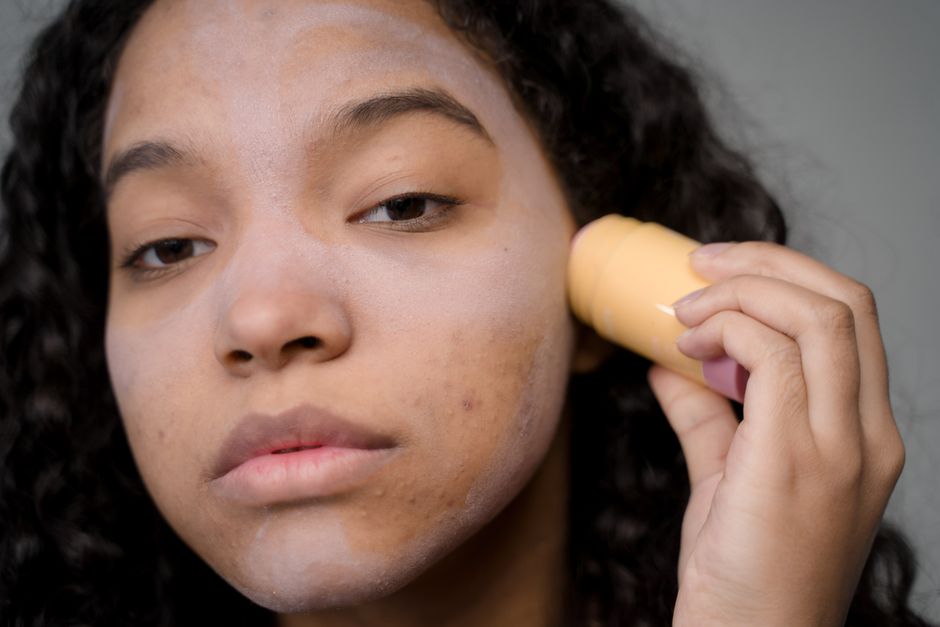
Cheek acne is often tied to what touches your face, your hormones, and sometimes your phone or pillowcase. While it is not a map to your internal organs, the location of your breakouts can offer useful clues about your habits and skin care routine. Understanding those triggers is the first step toward clearer skin, because treating cheek acne starts with knowing why it appears there in the first place.
What Does Cheek Acne Mean? Causes And Prevention
Cheek acne means your pores in that area are getting clogged or inflamed, usually from a mix of oil, dead skin cells, and bacteria. Common triggers include your phone screen pressing against your face, dirty pillowcases, hair products, and hormonal shifts. Prevention focuses on keeping that area clean, reducing friction, and choosing non-comedogenic skin care products.
Why Does Acne Appear on the Cheeks Specifically?
The cheeks are a large surface area with many sebaceous glands. These glands produce sebum, an oily substance that protects the skin. When sebum mixes with dead skin cells, it can plug a pore. The plugged pore becomes a breeding ground for Cutibacterium acnes, the bacteria involved in most acne.
That process happens all over the face. But the cheeks have a few extra exposures that other areas do not. Your phone touches your cheek. Your hands touch your cheek. Your pillowcase presses against it for hours each night. Each of those contacts can transfer oil, dirt, or bacteria directly into the area.
Hormones also play a role. Androgens, which are present in both men and women, stimulate sebum production. When hormone levels fluctuate — during a menstrual cycle, for example — the cheeks can break out just like the chin or forehead.
One common misconception is that cheek acne maps to specific organs, like the lungs or digestive system. That idea comes from traditional Chinese medicine and has no support in modern dermatology. Breakouts on the cheeks are not a sign of an internal organ problem.
Is Cheek Acne Hormonal or Environmental?
It can be both, and often it is a combination. Hormonal acne tends to appear along the jawline and lower cheeks. It often flares around the menstrual cycle in women and may be deeper, more painful, and cystic. Environmental acne comes from external contact — think of a phone screen, a dirty makeup brush, or a face mask worn for hours.
If your breakouts appear mostly on the lower cheeks and jaw and flare monthly, hormones are likely a major factor. If your breakouts are scattered across both cheeks and seem to worsen after certain activities, external triggers may be the cause.
Some research suggests that stress can worsen acne by increasing inflammation and altering sebum production. Stress does not cause acne on its own, but it can make existing breakouts worse. If you notice your cheeks flaring during high-stress periods, that connection may be real for you.



Common Triggers Specific to Cheek Acne
Several everyday habits can contribute to cheek breakouts. Identifying which ones apply to you is more useful than guessing.
- Phone screens: Your phone carries oil, bacteria, and residue from your hands. Pressing it against your cheek for calls transfers all of it to your skin.
- Pillowcases: Dead skin cells, sebum, and hair products build up on fabric. Sleeping on the same side each night presses that buildup into your cheek pores.
- Hands: Resting your chin or cheek in your palm transfers oil and bacteria. Many people do this without noticing.
- Hair products: Conditioners, serums, and styling products can drip onto your cheeks, especially while you sleep.
- Makeup and brushes: Foundation and concealer can clog pores, and dirty brushes spread bacteria back onto clean skin.
- Face masks: Prolonged mask wear creates friction and traps moisture and oil against the cheeks.
None of these are exotic or rare. They are everyday habits that most people do not connect to their breakouts.
How to Prevent Cheek Acne
Prevention is mostly about reducing contact with triggers and keeping your skin care routine simple and consistent.
Clean your phone regularly. Wipe it with a gentle antibacterial wipe or a microfiber cloth at least a few times a week. If you talk on the phone often, consider using speakerphone or earbuds with a microphone so the screen does not touch your cheek.
Change your pillowcase. Once or twice a week is reasonable for acne-prone skin. Cotton pillowcases are fine. Silk or satin may reduce friction, but no strong evidence shows they prevent acne better than regular cotton.
Keep your hands off your face. This is harder than it sounds because it is often an unconscious habit. Notice when you rest your chin on your hand and try to stop. Wash your hands before applying any skin care products.
Wash your face twice a day. Use a gentle cleanser in the morning and before bed. Washing more than that can strip your skin and trigger more oil production. After exercise or heavy sweating, rinse your face promptly.
Choose non-comedogenic products. This label means the product is formulated to not clog pores. It applies to moisturizers, sunscreens, and makeup. Look for it on the label. It is not a guarantee, but it is a useful starting point.
Shower after workouts. Sweat mixed with oil and bacteria can clog pores quickly. If you cannot shower immediately, at least rinse your face with water and pat it dry.
Effective Treatments for Cheek Acne
Over-the-counter treatments work well for mild to moderate acne. The most evidence-backed ingredients are benzoyl peroxide and salicylic acid.
Benzoyl peroxide kills the bacteria involved in acne and helps clear plugged pores. It is available in washes, gels, and creams at various strengths. It can dry the skin, so start with a lower concentration and use a moisturizer.
Salicylic acid helps unclog pores by breaking down the bonds between dead skin cells. It is a beta hydroxy acid (BHA) that penetrates oil, making it useful for blackheads and whiteheads. It is gentler than benzoyl peroxide but also less directly antibacterial.
Adapalene is a retinoid available over the counter in the United States. It works by normalizing skin cell turnover, preventing pores from clogging in the first place. It requires consistent use for several weeks before results appear and can cause dryness and irritation initially.
If your cheek acne is deep, painful, or leaving scars, prescription treatments are worth discussing with a dermatologist. Topical antibiotics, stronger retinoids, or oral medications may be appropriate. Some clinicians recommend spironolactone for adult women with hormonal acne, though it is not approved by the FDA specifically for acne. That distinction matters — it is widely used off-label, but the evidence base is still developing.
When to See a Dermatologist
See a dermatologist if your cheek acne is severe, painful, or not improving after 6 to 8 weeks of consistent over-the-counter treatment. Also seek help if acne is leaving dark spots or scars. Early treatment reduces the risk of permanent marks.
Acne that appears suddenly and severely in adulthood can sometimes signal an underlying issue. Polycystic ovary syndrome (PCOS) can cause acne along with irregular periods and excess hair growth. Sudden, severe acne along with other symptoms like weight gain or voice changes in women may warrant a medical evaluation. These situations are uncommon, but they are worth mentioning to a doctor if they apply.
What Does Not Cause Cheek Acne
Chocolate and greasy food are frequently blamed for acne, but the evidence is weak. Some studies suggest high-glycemic diets may worsen acne, but the research is not conclusive enough to justify eliminating specific foods. Eating a balanced diet is good for overall health, but it is not a proven acne cure.
Poor hygiene alone does not cause acne. Acne is not a sign of being dirty. Over-washing or using harsh scrubs can actually worsen breakouts by irritating the skin and increasing oil production.
Toothpaste is a popular home remedy for pimples, but it is not recommended. Toothpaste contains ingredients that can irritate and burn the skin, making the breakout worse. Stick with products designed for acne.
Frequently Asked Questions
Does cheek acne mean something is wrong with my lungs or liver?
No. The idea that cheek acne maps to specific organs comes from traditional medicine and is not supported by modern dermatology. Acne on the cheeks is caused by clogged pores, bacteria, hormones, and external contact, not internal organ problems.
How long does it take for cheek acne to clear up?
Most over-the-counter acne treatments take 4 to 8 weeks of consistent daily use to show noticeable improvement. If you see no change after 8 weeks, consider seeing a dermatologist for stronger options.
Can changing my pillowcase really help cheek acne?
Yes, for many people. Pillowcases collect oil, dead skin cells, and product residue that press against your cheeks for hours. Changing your pillowcase once or twice a week reduces that repeated exposure.
Is cheek acne hormonal or caused by my phone?
It can be either. Lower cheek and jawline breakouts that flare monthly are more likely hormonal. Breakouts that appear after phone calls or mask wearing are more likely contact-related. Many people have both contributing factors.
