
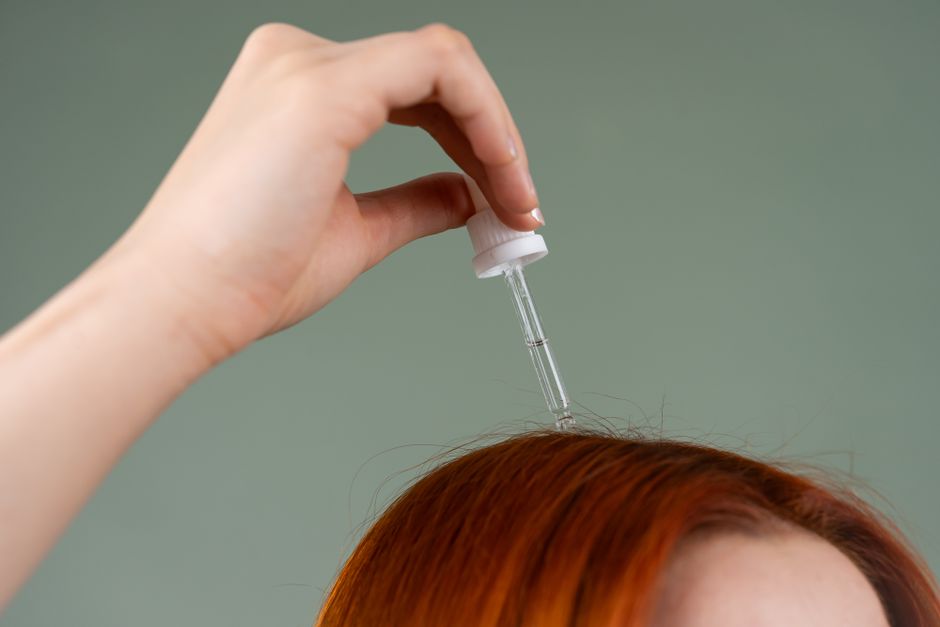
Scalp acne shows up as small, red bumps or pimples on your head. It is usually caused by clogged hair follicles or inflamed follicles from bacteria, fungus, or excess oil. To get rid of scalp acne, use medicated shampoos with ingredients like ketoconazole or salicylic acid, avoid heavy hair products, and keep your scalp clean. If bumps are painful, oozing, or do not clear up, see a dermatologist for prescription treatments.
What Causes Scalp Acne?
Most “scalp acne” is actually a type of folliculitis. That is inflammation of the hair follicle. The two main causes are bacteria and yeast.
The bacteria Staphylococcus aureus commonly causes bacterial folliculitis. It can start from minor scratches, tight hats, or dirty pillowcases. The yeast Malassezia can also overgrow on an oily scalp and cause fungal folliculitis, which looks like small, itchy bumps.
True acne vulgaris can also appear on the scalp, but it is less common. It happens when hair follicles get clogged with sebum and dead skin cells. Hormonal changes, stress, and certain hair products can make it worse.
Heavy oils, pomades, and leave-in conditioners can block pores. Not washing your hair enough after sweating can also allow bacteria or yeast to multiply.
How Is Scalp Acne Different From Dandruff Or Psoriasis?
Dandruff causes flaking and sometimes mild redness, but not raised pimples. Scalp psoriasis causes thick, silvery scales and can be itchy, but it does not cause pus-filled bumps.
Scalp acne or folliculitis produces individual bumps that may be red, white-headed, or crusty. They can be tender or itchy. If you have flaking without bumps, it is more likely dandruff or seborrheic dermatitis. If you have patches of thick scale, psoriasis is possible.
A dermatologist can tell them apart by looking at your scalp. Sometimes a scraping or culture is needed to check for bacteria or fungus.
How To Get Rid Of Scalp Acne Causes Treatments
Treatment depends on what is causing the bumps. Start with over-the-counter medicated shampoos. Look for these active ingredients:
- Ketoconazole – an antifungal that works against yeast (Malassezia). Use two to three times per week.
- Salicylic acid – helps unclog pores and remove dead skin. Use as directed on the bottle.
- Zinc pyrithione – has antifungal and antibacterial properties. Common in dandruff shampoos.
- Selenium sulfide – another antifungal option.
For bacterial folliculitis, benzoyl peroxide wash or gel can help. Leave it on for a few minutes before rinsing. Be careful because benzoyl peroxide can bleach towels and clothing.
If over-the-counter products do not work after a few weeks, a doctor may prescribe:
- Topical antibiotics like clindamycin or erythromycin
- Oral antibiotics for stubborn bacterial infections
- Oral antifungal medication for severe fungal folliculitis
- Topical retinoids like tretinoin, but these can irritate the scalp
Avoid picking or scratching the bumps. That can spread infection and cause scarring or permanent hair loss.

What Home Remedies Help Scalp Acne?
Some home remedies may soothe the scalp, but the evidence for them is limited. Use them cautiously and stop if irritation occurs.
Tea tree oil has antimicrobial properties. Some small studies suggest it can reduce mild acne and folliculitis. Dilute a few drops in a carrier oil like coconut or jojoba oil before applying to the scalp. Never use it undiluted.
Aloe vera gel can calm inflammation. Apply pure aloe vera gel to the scalp, leave it for 15 minutes, then rinse.
Apple cider vinegar is often recommended for scalp issues, but no strong evidence supports it for scalp acne. Dilute one part vinegar with three parts water. Apply with a cotton ball, leave for a few minutes, then rinse. It may disrupt the scalp’s natural pH if used too often.
Warm compresses can help bring a painful bump to a head and encourage drainage. Apply a clean, warm washcloth for 10 minutes a few times a day.
When Should You See A Doctor For Scalp Acne?
See a dermatologist if:
- The bumps are very painful, large, or oozing pus
- You have a fever or swollen lymph nodes in your neck
- Over-the-counter treatments do not improve the bumps after four weeks
- You notice hair loss in the affected areas
- The bumps keep coming back
A doctor can take a sample to identify the exact bacteria or fungus. This helps target the right treatment. Prescription treatments are often more effective and have fewer side effects than trying many products on your own.
Can Diet Affect Scalp Acne?
The evidence linking diet and acne is strongest for facial acne, not specifically scalp acne. Some research suggests that high-glycemic foods and dairy may trigger breakouts in some people. This is because they can increase insulin and insulin-like growth factor, which may boost sebum production.
However, no large studies have proven that cutting dairy or sugar clears scalp acne. If you suspect a food is making your skin worse, try eliminating it for a few weeks and see if your scalp improves. Keep a simple food diary to track changes.
Eating a balanced diet with plenty of vegetables, whole grains, and healthy fats supports overall skin health, but it is not a direct treatment for scalp acne.
How To Prevent Scalp Acne
Prevention focuses on keeping your scalp clean and reducing irritation.
- Wash your hair regularly, especially after heavy sweating from exercise or hot weather. How often depends on your hair type, but aim for at least two to three times a week.
- Use a gentle, non-comedogenic shampoo. Avoid heavy conditioners and styling products that sit on your scalp.
- Shampoo after using hair gels, sprays, or waxes.
- Wash your hats, headbands, and pillowcases frequently. Bacteria and oil build up on these items.
- Avoid sharing combs, brushes, or hair accessories.
- If you wear helmets or tight hats, take breaks when possible and clean the inside regularly.
For people prone to fungal folliculitis, using a ketoconazole shampoo once a week even after the bumps clear can help prevent recurrence. For bacterial folliculitis, a benzoyl peroxide wash once or twice a week may help.
Frequently Asked Questions
Can scalp acne cause hair loss?
Scalp acne itself usually does not cause permanent hair loss unless the follicles are severely damaged by deep infection or repeated picking.
Is scalp acne the same as folliculitis?
Most cases of what people call scalp acne are actually folliculitis, which is inflammation of the hair follicle often caused by bacteria or yeast.
What is the best shampoo for scalp acne?
The best shampoo depends on the cause: for yeast, ketoconazole shampoo; for bacteria, benzoyl peroxide wash; for clogged pores, salicylic acid shampoo.
Can stress cause scalp acne?
Stress can increase cortisol levels, which may boost oil production and make existing scalp acne worse, but it is rarely the sole cause.
