
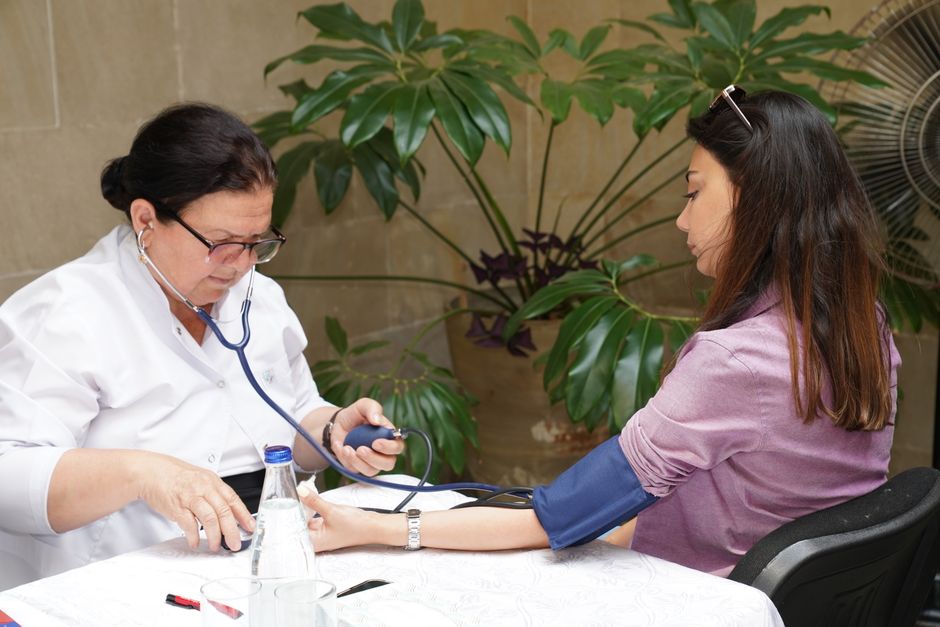
Blood thinners can lower hemoglobin, but usually not by much on their own. The more common and more serious cause of a low hemoglobin reading in someone taking these medications is bleeding — often slow, hidden blood loss from the stomach or intestines. A mild drop in hemoglobin can also happen because these drugs reduce clot formation, not because they directly destroy red blood cells.
This matters because hemoglobin carries oxygen. When it falls, people feel tired, short of breath, or dizzy. For anyone on anticoagulants or antiplatelet drugs, knowing how these medicines affect hemoglobin — and when a drop signals something that needs urgent attention — is essential.
What Are Blood Thinners and How Do They Work?
“Blood thinner” is a nickname, not a literal description. These drugs do not make blood thinner. They slow down or prevent the clotting process.
There are two main categories, and they work in different ways:
- Anticoagulants — warfarin, apixaban, rivaroxaban, edoxaban, dabigatran, and heparin. These interfere with proteins in the clotting cascade.
- Antiplatelets — aspirin, clopidogrel, ticagrelor, prasugrel. These stop platelets from sticking together.
Doctors prescribe them to prevent dangerous clots. Common reasons include atrial fibrillation, deep vein thrombosis, pulmonary embolism, mechanical heart valves, and after a heart attack or stroke. The trade-off is straightforward: less clotting means more bleeding risk.
That bleeding risk is the main link between these drugs and hemoglobin. The drug itself does not usually attack red blood cells. It makes bleeding more likely, and bleeding removes red blood cells from circulation.
Do Blood Thinners Lower Hemoglobin?
Yes, in some people they do — but the drop is usually a consequence of bleeding, not a direct chemical effect on red blood cells. This is the key distinction.
When you lose blood, you lose red blood cells and the hemoglobin inside them. If the loss is sudden, hemoglobin falls quickly. If the loss is slow and ongoing — a small amount of bleeding day after day — hemoglobin drifts down gradually over weeks or months.
Slow blood loss is the scenario that catches people off guard. It can happen in the digestive tract without any obvious sign. Stools may look normal. There may be no pain. The first clue is often a routine blood test showing lower hemoglobin, or symptoms like fatigue and pale skin.
There is one exception worth knowing. A few medications can affect hemoglobin through other mechanisms. Warfarin, for example, has rarely been associated with a form of tissue damage in the bowel. Heparin can, in rare cases, cause a drop in platelets rather than a direct effect on hemoglobin. These are uncommon and specific situations a doctor would evaluate.
For most people, the honest summary is this: the drug raises bleeding risk, and bleeding lowers hemoglobin. The drug is not usually the direct cause.
What Hemoglobin Level Is Considered Low?
Hemoglobin is measured in grams per deciliter (g/dL). Normal ranges vary slightly by lab and by sex. Widely used reference ranges are:
- Adult men: about 13.5 to 17.5 g/dL
- Adult women: about 12.0 to 15.5 g/dL
Below these ranges is generally called anemia. The World Health Organization uses a hemoglobin cutoff below 13.0 g/dL for men and below 12.0 g/dL for women to define anemia in adults.
Doctors often grade anemia by severity:
- Mild: hemoglobin roughly 10 to 12 g/dL
- Moderate: roughly 8 to 10 g/dL
- Severe: below 8 g/dL
These cutoffs are guides, not verdicts. A hemoglobin of 11 g/dL means something very different in a young active person than in someone with heart disease. Symptoms and the speed of the drop matter as much as the number itself.
A rapid fall from 14 to 11 g/dL is more alarming than a stable 11 g/dL that has been present for months. The body adapts to slow changes far better than sudden ones.


What Symptoms Suggest Bleeding or Low Hemoglobin?
Symptoms depend on how fast hemoglobin falls and how low it goes. Slow drops may cause few symptoms at first.
Watch for:
- Unusual tiredness or weakness
- Shortness of breath, especially with activity
- Dizziness or lightheadedness
- Pale skin, lips, or nail beds
- Fast or irregular heartbeat
- Cold hands and feet
- Headaches
Some signs point more directly to bleeding:
- Black, tarry stools — a sign of digested blood from the upper digestive tract
- Bright red blood in stool
- Vomiting blood or material that looks like coffee grounds
- Unusual bruising or bleeding gums
- Blood in urine
- Heavy or prolonged menstrual bleeding
Any of these bleeding signs in someone taking a blood thinner deserves prompt medical attention. Do not wait for a scheduled appointment. Call your doctor or seek urgent care.
Black stools are easy to miss or mistake for something else. If you take an anticoagulant and notice a change in stool color, treat it as a red flag until a doctor says otherwise.
How Is This Evaluated?
Evaluation usually starts with a blood test called a complete blood count, or CBC. It measures hemoglobin, red blood cell count, and other values. A doctor may repeat it to see whether the number is stable or falling.
If bleeding is suspected, the workup may include:
- Stool tests to check for hidden blood
- Endoscopy or colonoscopy to look inside the digestive tract
- Tests of kidney function and iron levels
- Review of all medications, including over-the-counter drugs
That last point is often overlooked. Aspirin, ibuprofen, and naproxen — common pain relievers — can irritate the stomach lining and increase bleeding risk. Combining them with a prescription blood thinner raises that risk further. Always tell your doctor about every medication and supplement you take, including herbal products, some of which affect clotting.
The goal is to find the source. Sometimes the answer is a minor issue that can be corrected. Sometimes it is a stomach ulcer or another condition that needs treatment. Occasionally, the medication itself may need to be adjusted or changed — but only a doctor should make that call.
What Should You Do If Your Hemoglobin Drops?
Do not stop your blood thinner on your own. Stopping suddenly can raise your risk of a clot, stroke, or other serious event. The medication was prescribed for a reason, and that reason does not disappear because hemoglobin fell.
Instead:
- Contact your doctor promptly about the result
- Report any bleeding symptoms, even minor ones
- Keep taking the medication unless a doctor tells you otherwise
- Ask whether the dose or the drug should be reviewed
Your doctor will weigh the bleeding risk against the clotting risk. That balance is different for every person. Someone with a mechanical heart valve faces a different calculation than someone taking aspirin for prevention.
If anemia is confirmed, treatment depends on the cause. Iron deficiency from chronic blood loss is common and may be treated with iron. In more serious cases, a blood transfusion may be needed. The right approach depends on how low hemoglobin is, how fast it fell, and what is causing the loss.
Can You Prevent a Drop in Hemoglobin?
You cannot fully prevent it, but you can lower your risk and catch problems early.
Practical steps include:
- Keep regular follow-up appointments and blood tests
- Avoid unnecessary use of aspirin, ibuprofen, and similar pain relievers unless your doctor approves
- Limit alcohol, which can irritate the stomach and affect clotting
- Tell every provider — including dentists — that you take a blood thinner
- Report any new bleeding, bruising, or stool changes right away
Some people need periodic hemoglobin checks as part of routine monitoring. How often depends on the drug, the reason it was prescribed, and your overall health. Ask your doctor what schedule makes sense for you.
Diet matters for iron, but it does not replace medical evaluation. Eating iron-rich foods supports healthy hemoglobin, yet it will not fix ongoing blood loss. If you are losing blood, the source has to be found and addressed.
Understanding the Real Risk
Blood thinners save lives. They prevent clots that can cause strokes, heart attacks, and pulmonary embolisms. The bleeding risk is real, but for most people the benefit of preventing a clot outweighs it. That is a decision made with a doctor, not on your own.
The connection to hemoglobin is not that the drug attacks your red blood cells. It is that the drug makes bleeding easier, and bleeding lowers hemoglobin. Understanding that link helps you recognize warning signs and act early.
If you take a blood thinner and feel unusually tired, short of breath, or notice any bleeding, do not brush it off. A simple blood test can show whether your hemoglobin has changed. Early detection makes a real difference.
Frequently Asked Questions
Can blood thinners cause low hemoglobin without visible bleeding?
Yes. Slow bleeding in the digestive tract can lower hemoglobin over time without any obvious signs. This is why routine blood tests matter for people on these medications.
How much can blood thinners lower hemoglobin?
There is no single number, because the drop depends on whether and how much bleeding occurs. A person with no bleeding may see little change, while ongoing blood loss can cause a gradual or rapid fall.
Should I stop my blood thinner if my hemoglobin is low?
No. Never stop on your own, because doing so can raise your risk of a dangerous clot. Contact your doctor, who can review the cause and decide whether any change is needed.
Which blood thinners are most likely to affect hemoglobin?
All anticoagulants and antiplatelets raise bleeding risk to some degree, and bleeding is what lowers hemoglobin. The specific risk depends on the drug, the dose, and the person.
