
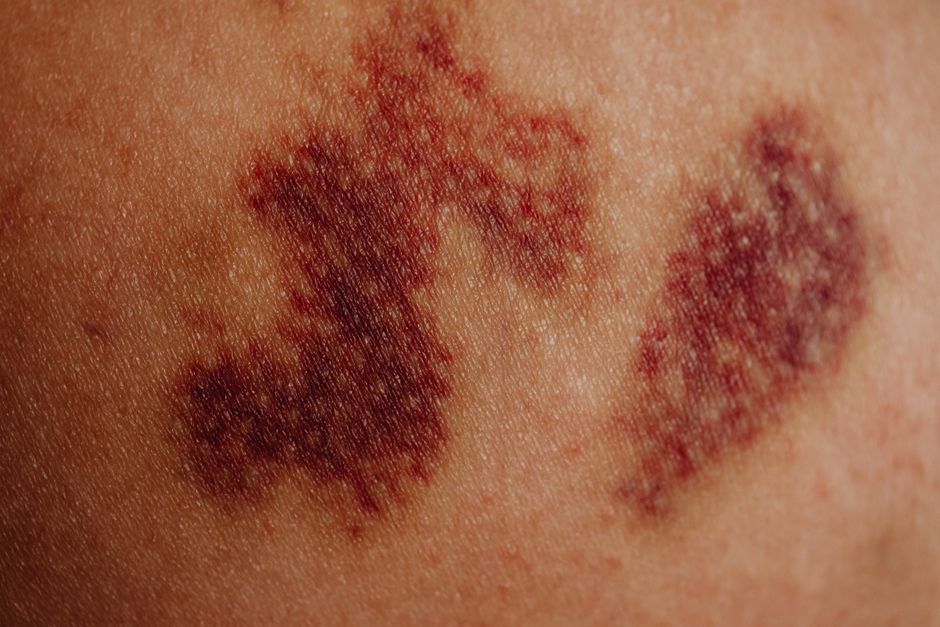
If you are on a blood thinner, even a small cut can bleed longer and more heavily than it used to. The most important step is to apply firm, steady pressure with a clean cloth or sterile gauze. Do not lift the cloth to check the wound. Keep pressing for a full 10 to 15 minutes. If possible, raise the injured area above the level of your heart. For a nosebleed, sit upright and lean forward, then pinch the soft part of your nose for 10 minutes without stopping. If bleeding does not slow or stop within 15 to 20 minutes of continuous pressure, or if the injury is deep, call your doctor or go to the emergency room. Severe bleeding after an injury while on blood thinners is a medical emergency — call 911 immediately.
What Happens When You Bleed on Blood Thinners?
Blood thinners are medications that make it harder for your body to form a clot. They do not actually thin your blood, but they interfere with the normal clotting process. Common blood thinners include warfarin (Coumadin), apixaban (Eliquis), rivaroxaban (Xarelto), dabigatran (Pradaxa), edoxaban (Savaysa), and heparin. Antiplatelet drugs like aspirin, clopidogrel (Plavix), and ticagrelor (Brilinta) also reduce clotting, but through a different mechanism.
When you have a wound, your body normally sends platelets and clotting factors to the site to form a plug and stop the bleeding. Blood thinners slow down that process. That means bleeding can last longer and may be harder to stop. It also means that seemingly minor injuries — like a paper cut or a small scrape — can need more attention than they did before you started the medication.
How to Stop Bleeding When You’re on Blood Thinners: Step by Step
For any cut or scrape, act immediately. Use a clean cloth, gauze, or even a towel if that is all you have. Press down firmly on the wound. Do not release pressure every few seconds to check. Keep constant pressure for at least 10 minutes. If the bleeding soaks through the first layer, add another cloth or gauze on top — do not remove the original one. Removing the first layer can disrupt the early clot that is forming.
If the wound is on an arm or a leg, raise that limb above the level of your heart while you apply pressure. This lowers blood flow to the area and helps the bleeding slow. If you have a first aid kit with hemostatic gauze — a special gauze that helps blood clot — use that. QuikClot and other brands are available over the counter. These products are designed for exactly this situation and can stop bleeding faster than plain gauze.
For small cuts on the face or hands, a styptic pencil (often sold near shaving supplies) can help. Wet the tip, then press it directly on the bleeding spot for a few seconds. These work by causing blood vessels to tighten. They are not for deep wounds or large areas, but they are effective for tiny nicks.
How to Stop a Nosebleed When You Are on a Blood Thinner
Nosebleeds are common for people who take blood thinners, especially in dry air or after a small bump. Do not tilt your head back. That can cause blood to run down your throat and into your stomach, which can make you nauseous or give a false sense that the bleeding has stopped. Instead, sit up straight, lean your head slightly forward, and pinch the soft part of your nose just below the bony bridge. Hold that pinch continuously for 10 to 15 minutes. Breathe through your mouth.
You can also place an ice pack or a cold compress across the bridge of your nose to help narrow the blood vessels. If the nosebleed does not stop after 20 minutes of continuous pressure, or if it happens many times in a week, call your doctor. Frequent nosebleeds while on blood thinners may mean your dose needs adjustment.


When to Call a Doctor or Go to the ER
Most minor bleeds can be managed at home. But some situations require medical attention. Call your doctor if:
- Bleeding does not stop after 20 minutes of direct pressure.
- The wound is deep, large, or caused by a sharp object.
- You have a bruise that grows quickly or feels hard and large under the skin.
- You notice blood in your urine or stool — black, tarry stool or bright red blood.
- You cough up blood or vomit something that looks like coffee grounds.
- You hit your head, even if there is no visible bleeding. Internal bleeding in the brain can be life-threatening.
- You have a sudden, severe headache with no clear cause.
If you have any signs of internal bleeding — severe pain, dizziness, fast heart rate, confusion, or vision changes — call 911 immediately. Do not wait. While on blood thinners, internal bleeding can worsen quickly because the medication prevents clots from containing it.
Always tell emergency doctors which blood thinner you take. If you take warfarin, having your most recent INR (International Normalized Ratio) test result can help them decide on treatment. For newer anticoagulants like apixaban or rivaroxaban, knowing the dose and when you last took it is important.
Medications and Supplements That Increase Bleeding Risk
While you are on a blood thinner, certain other drugs and supplements can make bleeding even harder to control. Nonsteroidal anti-inflammatory drugs (NSAIDs) like ibuprofen (Advil, Motrin) and naproxen (Aleve) are common painkillers that increase bleeding risk. They affect platelet function and can irritate the stomach lining, raising the chance of gastrointestinal bleeding. Acetaminophen (Tylenol) is generally safer for pain when you are on a blood thinner, but do not exceed the recommended dose.
Supplements such as fish oil, ginkgo biloba, garlic, ginger, and vitamin E can also thin the blood further. That does not mean you must stop them, but you should tell your doctor about every supplement you take. Do not start any new over-the-counter remedy without checking first.
First Aid Supplies to Keep on Hand
Because bleeding can be harder to control, preparation matters. Keep a first aid kit stocked with items made for heavier bleeding. Here is what to include:
- Sterile gauze pads and rolls. Do not use cotton balls — they can stick to the wound.
- Medical tape or rolled gauze to hold pressure in place.
- Hemostatic gauze. This is coated with a material that helps blood clot. It is available in most drugstores and online.
- A pressure bandage or a tourniquet. Only use a tourniquet if you are trained and if bleeding is severe and on a limb. Most minor bleeds do not need one.
- Styptic pencils for tiny cuts.
- Nitrile gloves to protect yourself from blood contact.
- A small flashlight to see the wound clearly.
Learn the basics of wound care before an emergency happens. Practice applying pressure to a simulated wound so that you know how much force to use and how long to hold.
How to Prevent Unnecessary Bleeding While on Blood Thinners
Prevention is the best strategy. Use a soft-bristle toothbrush to reduce gum bleeding. If you floss, do it gently. Stop using straight razors; electric razors are safer. When trimming nails, be careful not to cut the cuticle. Wear gloves when gardening or doing any activity where you might get a cut.
Avoid contact sports and activities with a high risk of falling. If you take blood thinners, talk to your doctor about balance exercises or home safety measures like handrails and non-slip mats. Many falls happen at home, and a fall that would cause a bruise in someone not on blood thinners can cause a serious bleed in you.
If you have a medical test or a dental procedure that requires a needle or any cutting, tell your doctor or dentist that you are on a blood thinner. Do not stop your medication without explicit instructions from the prescriber. Stopping a blood thinner suddenly can raise your risk of a blood clot or stroke.
What About Internal Bleeding?
Internal bleeding is a serious concern for anyone on blood thinners. It can occur without a clear injury. Symptoms include weakness, dizziness, unexplained bruising, abdominal pain, or backache. If you have blood in your urine or stool, or if you vomit blood or material that looks like coffee grounds, go to the emergency room. These can be signs of a bleeding ulcer or bleeding in the digestive tract.
Head trauma is especially dangerous. If you hit your head, even gently, watch for signs of a brain bleed over the next 24 hours: confusion, slurred speech, unequal pupil size, vomiting, or loss of consciousness. If any of these appear, call 911. Do not wait for a headache to go away.
Frequently Asked Questions
How long does it take to stop bleeding when on blood thinners?
For a minor cut, it may take 10 to 15 minutes of direct pressure to stop the bleeding, compared to 2 to 5 minutes for someone not on blood thinners. If bleeding continues beyond 20 minutes of steady pressure, seek medical care.
Can I use a tourniquet if I am on blood thinners?
Only use a tourniquet for life-threatening bleeding on a limb that does not stop with direct pressure. Most minor bleeds do not require one, and improper use can damage tissue. If you are not trained in tourniquet use, stick with direct pressure and get emergency help.
Should I stop my blood thinner before a dental procedure?
Do not stop your blood thinner unless your doctor and dentist specifically instruct you to. Many dental procedures can be done safely while continuing the medication. Your dentist will take extra steps to control bleeding, such as using local hemostatic agents.
What should I do if I get a large bruise while on blood thinners?
Apply an ice pack wrapped in a cloth for 15 to 20 minutes each hour during the first day. Keep the bruised area elevated if possible. If the bruise is very large, painful, or continues to grow, contact your doctor.
