
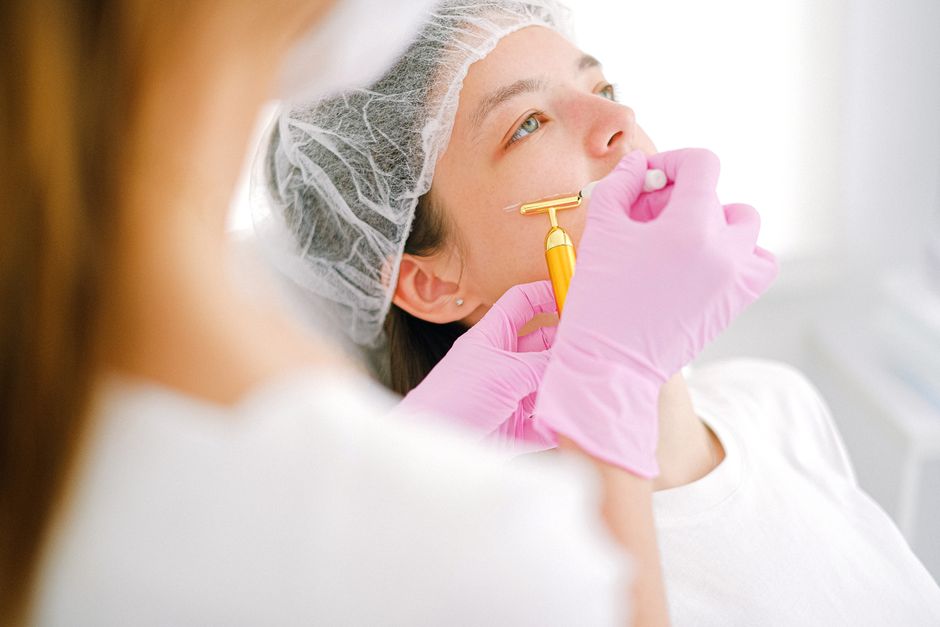
Plasma treatment uses ionized gas to deliver energy to the body for skin tightening, hair growth stimulation, and joint pain relief. For skin, it tightens loose areas by creating controlled micro-injuries that trigger collagen production. For hair, it may stimulate follicles to encourage regrowth in thinning areas. For joints, it delivers concentrated plasma proteins to reduce inflammation and support tissue repair. The exact effects depend on the type of plasma therapy used — and the evidence varies significantly across these three uses.
How Does Plasma Treatment Work on Skin?
Plasma treatment for skin is often called fibroblast therapy or plasma pen treatment. It works by sending a tiny electrical arc to the skin’s surface. This arc vaporizes the top layer of skin without cutting or burning it deeply. The body then responds by producing new collagen and elastin in the treated area.
The result is tighter skin, especially around the eyes, jawline, and neck. The American Academy of Dermatology notes that plasma skin regeneration can improve skin texture and reduce fine lines. However, results vary by person and usually require one to three sessions.
One thing many articles do not tell you: plasma treatment for skin is not the same as microneedling or laser resurfacing. It targets the surface more precisely. Recovery takes about five to seven days of visible peeling and redness. The tightening effect builds over two to three months as collagen matures.
Does Plasma Treatment Help Hair Growth?
Plasma treatment for hair is usually platelet-rich plasma (PRP) therapy, not the same device used for skin tightening. PRP involves drawing your blood, spinning it in a centrifuge to concentrate the platelets, and injecting that plasma into the scalp. The growth factors in the plasma are thought to stimulate dormant hair follicles.
Research published in the Journal of the American Academy of Dermatology found that PRP injections can increase hair density in people with androgenetic alopecia (male and female pattern baldness). The effect is modest. Most studies show a 10 to 30 percent increase in hair count after three to six monthly sessions.
Some people report no improvement at all. This is not surprising. PRP works best when hair loss is recent and follicles are still alive. It does not regrow hair on completely bald areas. The American Hair Loss Association recommends PRP as a complementary treatment, not a standalone cure.
What Does Plasma Treatment Do for Joint Pain?
For joints, plasma treatment typically means platelet-rich plasma injections into the joint space. The idea is that concentrated growth factors can reduce inflammation and help damaged tissues heal. This is most commonly used for knee osteoarthritis, but also for shoulders, elbows, and ankles.
A 2023 meta-analysis in the British Journal of Sports Medicine reviewed 18 studies on PRP for knee arthritis. It found that PRP injections reduced pain and improved function for up to 12 months compared to placebo or corticosteroid injections. The effect was strongest in people with mild to moderate arthritis, not severe joint damage.
Here is what is rarely said: PRP for joints is not a repair agent for worn-out cartilage. It cannot regrow cartilage that is gone. What it does is calm inflammation and possibly slow further breakdown. Some patients get six months of relief. Others get a year or more. For some, it does nothing.


What Are the Different Types of Plasma Treatment?
There are three main types of plasma treatments used for skin, hair, and joints. Knowing the difference helps you understand what to expect.
| Type | How It Works | Common Use | Evidence Strength |
|---|---|---|---|
| Plasma pen (fibroblast therapy) | Ionized gas arcs onto skin surface | Skin tightening, eyelid lifting | Moderate — limited large studies |
| Platelet-rich plasma (PRP) | Concentrated blood platelets injected | Hair regrowth, joint pain | Moderate to strong for joints; moderate for hair |
| Platelet-rich fibrin (PRF) | Second-generation concentrate with more growth factors | Hair regrowth, wound healing | Emerging — fewer studies than PRP |
PRF is a newer form that contains white blood cells and stem cells. Some practitioners claim it works better than PRP. As of 2026, the evidence is not strong enough to say that for certain. Most published studies still use PRP.
What Are the Risks and Side Effects of Plasma Treatment?
Plasma treatments are generally safe when performed by a trained professional. But side effects exist and are often understated in marketing materials.
For skin plasma pen treatments, common side effects include redness, swelling, and crusting that lasts up to a week. Rare but serious risks include burns, scarring, and hyperpigmentation — especially in darker skin tones. The FDA has not cleared plasma pens for cosmetic use, though they are widely used.
For PRP injections into the scalp or joints, side effects are usually mild. You may have pain at the injection site, bruising, or temporary swelling. Infection is possible but rare when proper sterile technique is used. One study in the American Journal of Sports Medicine found that about 1 in 200 PRP joint injections led to a mild infection.
A less discussed risk: PRP can fail to work, and you will not know until you have spent money and time. Insurance rarely covers PRP for hair or joints. Costs range from $500 to $2,500 per session depending on the area treated and the clinic.
What Does the Research Actually Show About Plasma Treatment?
The research on plasma treatment is mixed depending on what you are treating. Let me be direct about where the evidence stands.
For skin tightening, research is limited. A 2020 review in the Journal of Cosmetic Dermatology found only six small studies on plasma pen treatment. Most showed some improvement in skin laxity, but none were large controlled trials. The authors called for more rigorous research.
For hair growth, the evidence is better but still modest. A 2022 meta-analysis in Dermatologic Surgery pooled data from 11 randomized trials. It found that PRP increased hair density by an average of 20 hairs per square centimeter compared to placebo. That is a real but not dramatic change.
For joint pain, the evidence is strongest. Multiple high-quality trials show PRP reduces pain in knee osteoarthritis. The British Journal of Sports Medicine meta-analysis mentioned earlier included over 1,000 patients and found a clear benefit. But effects varied widely between studies, and not every patient improved.
- Skin tightening: small studies, moderate improvement, need more data
- Hair regrowth: modest but real benefit, works best in early hair loss
- Joint pain: strongest evidence, especially for mild to moderate knee arthritis
If you are considering plasma treatment, ask your provider for specific numbers from studies — not before-and-after photos. Photos can be misleading. Ask how many sessions are typically needed and what percentage of patients see no benefit.
Frequently Asked Questions
Is plasma treatment painful?
Most people report mild to moderate discomfort. Skin treatments use a numbing cream, and PRP injections feel like a series of small pinpricks.
How many sessions of plasma treatment do I need?
For skin, one to three sessions. For hair, three to six monthly sessions. For joints, one to three injections spaced weeks apart.
Does insurance cover plasma treatment?
Almost never. Most insurance plans consider plasma treatment for skin, hair, and joints to be cosmetic or experimental.
How long do results from plasma treatment last?
Skin tightening results can last one to two years. Hair regrowth requires maintenance sessions every six to twelve months. Joint pain relief typically lasts six to twelve months.
