
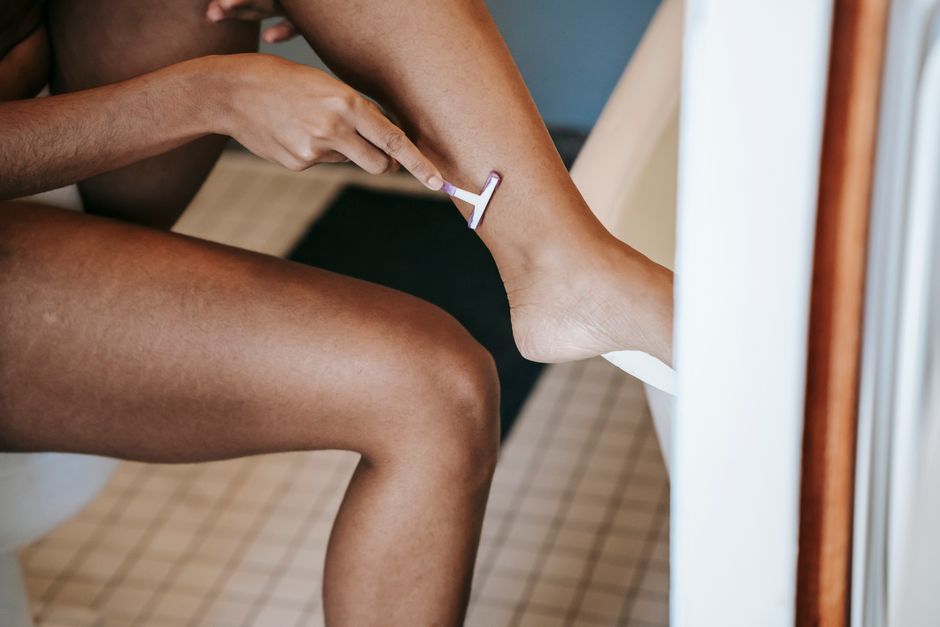
Shave within 12 to 24 hours before your laser hair removal appointment. That is the standard recommendation from most clinics and the American Society for Laser Medicine and Surgery. The laser targets the pigment at the root of the hair, not the hair above the skin. If you shave too early, the hair may grow back above the skin, which wastes energy and can cause burns. If you shave too late or not at all, the laser hits surface hair instead of the follicle, and you end up with less effective treatment and more discomfort.
Why Does Shaving Timing Matter So Much for Laser Hair Removal?
The laser works by targeting melanin — the pigment — inside the hair shaft. That heat travels down to the hair follicle and damages it. But the laser cannot tell the difference between the hair in the follicle and the hair sticking out of your skin. If there is hair above the surface, the laser energy hits that first. It burns the visible hair and may cause skin burns, blistering, or hyperpigmentation.
When you shave correctly, the hair is short enough that the laser energy goes straight into the follicle. The root absorbs the heat. The visible part of the hair is gone. This is why most laser technicians will refuse to treat you if you come in with visible stubble. They are not being difficult — they are protecting your skin.
Research published in the Journal of the American Academy of Dermatology confirms that proper shaving before treatment reduces the risk of side effects and improves results. One study found that patients who shaved within 24 hours had significantly fewer adverse reactions than those who shaved earlier or not at all.
How Many Hours Before Should You Shave?
Most clinics say 12 to 24 hours before treatment. Some say 8 to 12 hours. The exact window depends on how fast your hair grows. If your hair grows quickly — for example, on your legs or underarms — shaving 12 hours before is fine. If your hair grows slowly, 24 hours may work better.
The key is that the hair should be short enough that you cannot see it or feel it easily when you rub the area. But the root must still be inside the follicle. If you shave too far in advance, the hair tip may become blunt and visible above the skin. That defeats the purpose.
Here is a simple rule: shave the evening before a morning appointment, or shave the morning of an afternoon appointment. That usually puts you in the 12 to 24 hour window.
What Happens If You Shave Too Early or Too Late?
Shaving too early — more than 24 to 36 hours before — allows the hair to grow back above the skin surface. The laser then hits that hair instead of the follicle. You may still get some effect, but it will be weaker. More importantly, the risk of skin burns goes up because the laser energy is absorbed by the hair above the skin and conducted to the skin surface.
Shaving too late — less than 4 to 6 hours before — can cause irritation. Freshly shaved skin is sensitive. The laser will already cause some warmth and redness. If you shave immediately before treatment, you may have tiny nicks or razor burn that the laser will aggravate. Some clinics ask you not to shave within 4 hours of your appointment for this reason.
Not shaving at all is the worst option. The technician will most likely reschedule you. Some clinics will shave you on the spot, but they charge extra, and the shave may not be as gentle as you would do yourself. You also lose control over the direction and pressure of the razor.





What Is the Best Way to Shave Before Laser Hair Removal?
Use a clean, sharp razor. Dull blades cause irritation and increase the risk of cuts. Shave in the direction of hair growth — not against it. Shaving against the grain gives a closer shave, but it also increases the chance of ingrown hairs and skin irritation. You want a close shave, not an aggressive one.
Use shaving cream or gel. Do not shave dry. Dry shaving causes micro-abrasions that make your skin more sensitive to the laser. Rinse the blade frequently. Do not press hard. Let the weight of the razor do the work.
After shaving, apply a gentle moisturizer with no fragrance, alcohol, or active ingredients like retinol or glycolic acid. These can irritate freshly shaved skin and make the laser treatment more uncomfortable. Avoid exfoliating scrubs or chemical exfoliants for at least 24 hours before treatment.
How to Shave Different Body Areas Before Laser Hair Removal
| Body Area | Shaving Tips |
|---|---|
| Face (upper lip, chin, sideburns) | Use a clean dermaplaning blade or a facial razor. Shave in short, light strokes. Do not use a body razor — it is too harsh for facial skin. |
| Underarms | Shave upward from the armpit crease. The hair grows in multiple directions here, so you may need to adjust your angle. Rinse the blade often. |
| Bikini area | Shave carefully with a fresh razor. Go with the hair growth direction. Do not try to get a super close shave — that increases ingrown hairs and irritation. |
| Legs | Shave upward from ankle to knee. Use long, even strokes. Do not go over the same spot repeatedly. |
| Back or chest | Have someone help you if you cannot see the area. Use a mirror or ask for assistance. Shave in the direction of hair growth. |
The table above covers the most common treatment areas. The general rules apply everywhere: clean blade, shave in the direction of growth, moisturize afterward, and stay within the 12 to 24 hour window.
Common Mistakes People Make When Shaving Before Laser Hair Removal
One common mistake is waxing or plucking instead of shaving. Waxing and plucking remove the entire hair root. The laser needs that root to be present to work. If you wax or pluck in the weeks before treatment, the laser has nothing to target. Most clinics require you to stop waxing and plucking at least 4 to 6 weeks before your first session.
Another mistake is using hair removal creams. These chemically dissolve the hair above the skin, but they can leave residue that interferes with the laser. They also sometimes cause chemical burns that make your skin too sensitive for treatment. Stick to shaving.
A third mistake is shaving too aggressively. Going over the same spot multiple times, pressing hard, or using an old blade causes razor burn, redness, and tiny cuts. The laser will hurt more on irritated skin. You may also be asked to reschedule if the irritation is bad enough.
Finally, some people skip shaving altogether because they think the technician will do it. Most clinics do not include shaving as part of the treatment. Call ahead and ask. If they offer it, there is usually an extra fee. It is better to arrive properly shaved.
Does How When To Shave Before Laser Hair Removal Actually Affect Results?
Yes, it directly affects how much hair is permanently removed. Studies have found that patients who follow proper shaving guidelines have better long-term results. A 2019 study in Lasers in Surgery and Medicine showed that patients who shaved within 24 hours had a 30% higher reduction in hair count after six sessions compared to those who shaved more than 48 hours before.
Shaving at the right time ensures that the laser energy is absorbed exactly where it needs to go — the hair follicle. When the laser hits the root, it damages the cells that produce hair. Over multiple sessions, those follicles stop producing hair permanently.
Shaving also makes the treatment more comfortable. When there is no surface hair, the laser feels like a warm snap. When there is stubble, it feels like a sharp sting. Patients who shave properly report significantly less pain during treatment.
Frequently Asked Questions
Can I shave the morning of my laser appointment?
Yes, as long as your appointment is at least 4 to 6 hours later. That gives your skin time to calm down after shaving.
What happens if I forget to shave before laser hair removal?
Most clinics will reschedule your appointment. Some may shave you on the spot for an extra fee, but the results may not be as good.
Should I use an electric razor or a manual razor before laser?
A manual razor gives a closer shave, which is better for laser. Electric razors often leave hair slightly longer, which can reduce effectiveness.
Can I use a razor with multiple blades?
Yes, but be careful. Multiple blades can cause more irritation if you press too hard. Use light pressure and rinse often.
