
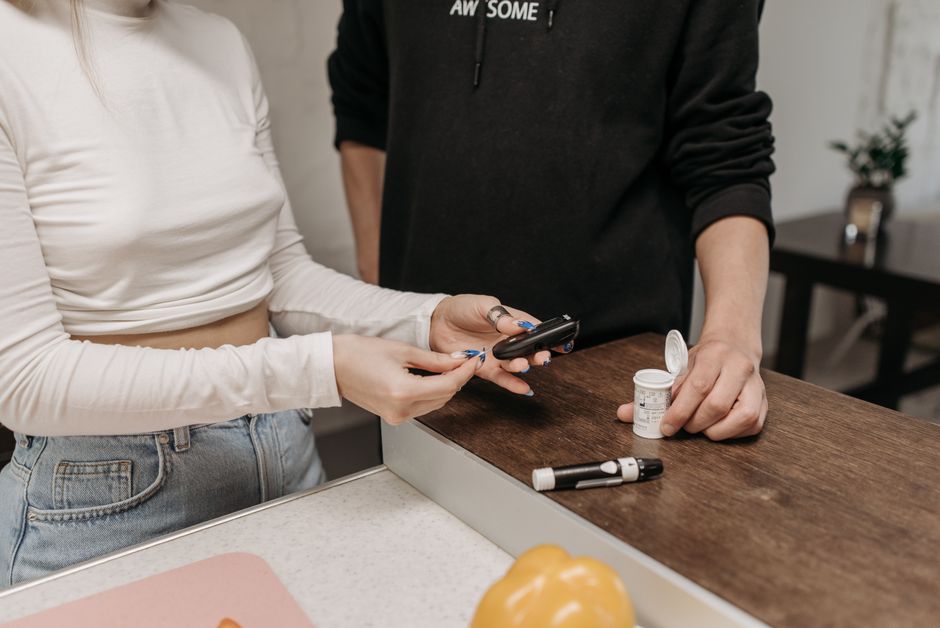
Yes, you can test for RSV. Several tests can confirm whether the respiratory syncytial virus is causing your symptoms, and they work best when used within the first few days of illness.
RSV is a common respiratory virus that most people recover from on their own. But it can cause serious illness in infants, older adults, and people with weakened immune systems. Knowing whether RSV is the cause can matter a great deal for those groups.
Here is how RSV testing works, who it is for, and what the results actually tell you.
What Is RSV and Why Does Testing Matter?
RSV stands for respiratory syncytial virus. It infects the lungs and airways and spreads easily through coughing, sneezing, and contaminated surfaces.
For most healthy adults and older children, RSV causes symptoms that look like a common cold. Runny nose, cough, mild fever, and congestion. These usually clear up in a week or two without any specific treatment.
The picture changes for certain groups. Infants, especially those born premature or under 6 months old, can develop bronchiolitis or pneumonia. Older adults, particularly those over 65, face a higher risk of severe disease. So do adults with chronic heart or lung conditions and anyone with a weakened immune system.
Testing matters because RSV symptoms overlap heavily with flu, COVID-19, and other respiratory infections. You cannot reliably tell them apart by symptoms alone. A confirmed diagnosis helps guide care, informs infection control, and in hospitalized patients can shape treatment decisions.
Can You Test For RSV? What Test Options Exist?
Yes. Several RSV tests are available, and they differ in speed, accuracy, and how samples are collected.
PCR Tests
Polymerase chain reaction (PCR) tests are the most accurate option. They detect the virus’s genetic material and can identify very small amounts of it. PCR testing is standard in hospitals and many clinics.
Results typically take a few hours to a couple of days, depending on the lab. Many PCR panels test for RSV alongside flu, COVID-19, and other viruses at the same time. This is often called a respiratory pathogen panel.
Rapid Antigen Tests
Rapid antigen tests give results in about 15 to 30 minutes. They detect proteins on the surface of the virus.
The trade-off is accuracy. Rapid antigen tests are less sensitive than PCR, meaning they are more likely to miss an infection. A negative rapid test does not rule out RSV. A positive result, however, is generally reliable.
Which Sample Is Used?
Most RSV tests use a nasal swab. A healthcare provider swabs inside the nostril or the upper part of the throat. For infants and young children, a nasal aspirate or wash may be used, where a small amount of saline is put into the nose and gently suctioned back out.
Blood tests are not typically used to diagnose RSV. Testing is done on respiratory samples because that is where the virus concentrates.
Who Should Get Tested for RSV?
Not everyone with cold symptoms needs an RSV test. For healthy adults and older children, knowing the exact virus rarely changes what you do. Rest, fluids, and fever control work the same way regardless.
Testing is most useful in specific situations:
- Infants and young children with breathing difficulty, wheezing, or poor feeding
- Adults over 65 with new respiratory symptoms, especially if they have chronic conditions
- People with weakened immune systems
- Hospitalized patients with respiratory illness
- Anyone in a setting where knowing the virus affects care or infection control, such as a nursing home or hospital ward
Some clinicians also test when a diagnosis would help avoid unnecessary antibiotics. RSV is a virus, so antibiotics do not treat it. Confirming a viral cause can prevent unneeded prescriptions.

When Is the Best Time to Test?
Timing matters. RSV levels in the nose and throat tend to be highest in the first few days of illness, when symptoms are just starting.
The general clinical guidance is to test within the first several days of symptoms. After that window, the amount of virus present can drop, and tests become more likely to return a false negative. This is particularly true for rapid antigen tests.
If you or your child are sick enough to see a provider, testing early in the illness gives the most reliable result. Waiting a week or more reduces the chance of an accurate diagnosis.
How Accurate Are RSV Tests?
Accuracy depends heavily on which test is used.
PCR tests are considered highly sensitive and specific. In plain terms, they rarely miss an infection and rarely give a false positive. This is why PCR is the reference standard in clinical settings.
Rapid antigen tests are a different story. They are specific, so a positive result is usually correct. But they are less sensitive, so a negative result cannot be trusted to rule out RSV. If a rapid test is negative but a provider still suspects RSV, they may order a PCR test to confirm.
One point worth knowing: a positive test does not tell you how severe the illness will be. It confirms the virus is present, not how your body will respond to it.
What Do RSV Test Results Mean?
A positive result means the virus was detected in your sample. It confirms RSV as the cause of the current illness, assuming symptoms match.
A negative result is more complicated. With a PCR test, a negative result makes RSV unlikely. With a rapid antigen test, a negative result is less conclusive and may need follow-up testing.
Either way, treatment for mild RSV is supportive. That means managing fever, keeping hydrated, and watching for signs of breathing trouble. There is no antiviral medication routinely used to treat RSV in most patients.
For severe cases, especially in hospitalized infants, care focuses on oxygen support, fluids, and breathing assistance if needed. A confirmed diagnosis helps the medical team choose the right level of care.
Can You Test for RSV at Home?
At-home RSV tests are not widely available in the same way as home COVID-19 tests. Most RSV testing happens in clinics, hospitals, or labs with a provider’s order.
Some combined at-home tests that check for flu and COVID-19 have entered the market. RSV-only home tests are far less common. If you see one advertised, check whether it has regulatory clearance and how its accuracy compares with lab testing.
For anyone in a high-risk group, a healthcare visit is the better path. A provider can test accurately and assess how serious the illness is.
How Is RSV Treated and Prevented?
For mild RSV, treatment is about comfort and monitoring. Rest, fluids, and over-the-counter fever reducers for older children and adults. Aspirin should never be given to children or teenagers because of the risk of Reye’s syndrome, a rare but serious condition.
Prevention focuses on limiting spread. Hand washing, covering coughs, cleaning frequently touched surfaces, and staying home when sick all help. RSV spreads easily, so these steps matter most around infants and older adults.
Vaccines for RSV are now available for older adults and for pregnant women, who pass protection to their newborns. A preventive antibody shot is also available for infants. Recommendations for who should receive these products have evolved, so it is best to check current guidance from your provider or public health agency rather than relying on older information.
People at high risk should talk with a healthcare provider about which options fit their situation. The evidence supporting these products is strongest for the groups they were specifically studied in.
Frequently Asked Questions
Can you test for RSV at home?
RSV-only home tests are not widely available, and most testing happens in a clinic or lab. Some combined at-home tests for flu and COVID-19 exist, but RSV home testing remains limited.
How long does it take to get RSV test results?
Rapid antigen tests give results in about 15 to 30 minutes, while PCR tests usually take a few hours to a couple of days. The wait depends on the lab processing the sample.
Can a negative RSV test be wrong?
Yes, especially with rapid antigen tests, which are less sensitive than PCR and can miss an infection. A negative rapid test does not fully rule out RSV.
When should you get tested for RSV?
Testing works best within the first several days of symptoms, when virus levels are highest. After that window, tests are more likely to return a false negative.
